What is Fleet Intelligence and Why It Matters

Fleet management is no longer just about maintaining vehicles and assigning routes. In today’s digital era, companies are leveraging fleet intelligence to improve operational efficiency, monitor vehicles in real time, and make data-driven decisions. This technology combines telematics, IoT sensors, and advanced analytics to create a smarter, safer, and more cost-effective fleet.
What is Fleet Intelligence?
Fleet intelligence is the use of connected technologies, software, and data analytics to optimize the performance and management of commercial vehicles. It enables fleet managers to collect and analyze data from multiple sources, including GPS trackers, onboard sensors, and vehicle ECUs.
Key Components:
Telematics Systems: Collect vehicle and driver data
Sensors and IoT Devices: Monitor engine health, fuel usage, and tire pressure
Data Analytics Platforms: Convert raw data into actionable insights
How Fleet Intelligence Works
Fleet intelligence works by integrating vehicle data into a centralized platform. For example:
Vehicle Data Collection: Telematics devices gather information on speed, location, engine status, and fuel consumption.
Data Transmission: Data is sent via cellular networks to a cloud-based platform.
Analysis: Advanced analytics detect inefficiencies, predict maintenance, and track driver behavior.
Actionable Insights: Fleet managers receive alerts, performance reports, and recommendations to optimize operations.
Benefits of Fleet Intelligence
1. Cost Savings
By monitoring fuel consumption, driving patterns, and vehicle performance, companies can significantly reduce operational costs.
2. Predictive Maintenance
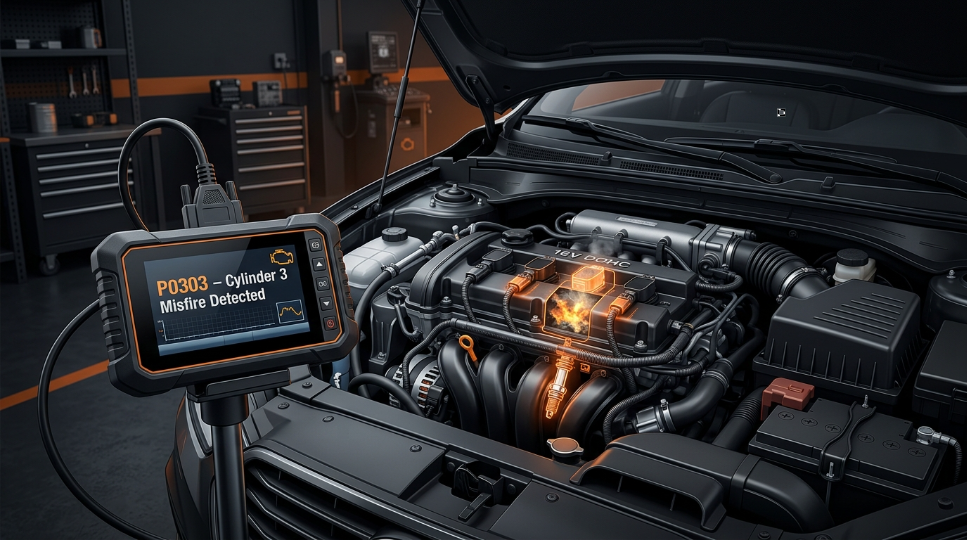
Sensors detect issues early, preventing breakdowns and reducing repair costs.
3. Route Optimization
Fleet intelligence analyzes traffic patterns and vehicle locations to assign the most efficient routes.
4. Improved Safety
Driver behavior monitoring helps prevent accidents and improves compliance with safety regulations.
5. Enhanced Operational Visibility
Fleet managers can monitor every vehicle in real-time, ensuring timely deliveries and proper vehicle utilization.
Who Can Benefit from Fleet Intelligence?
Logistics and delivery companies
Public transportation fleets
Construction and heavy equipment operators
Service providers with field vehicles
Conclusion
Implementing fleet intelligence transforms fleet management from reactive to proactive. Companies gain efficiency, reduce costs, and improve overall safety.