Unlocking the Future: How Telematics Can Improve Safety on the Road

Updated: Nov 11, 2025

Overview
Telematics improves road safety by integrating telecommunications with vehicle technologies, using tools like OBD2, vehicle diagnostics, TPMS, and battery testers. These systems monitor vehicle performance, alert drivers to issues, and enable preventative maintenance, enhancing overall safety and efficiency. Embracing telematics is essential for both individuals and businesses to ensure safer driving experiences.
Contents
In today’s fast-paced world, the advancement of technology has become a crucial ally in making our roads safer. One of the most significant advancements in this realm is the rise of telematics. Telematics combines telecommunications and monitoring systems to gather and analyze vehicle data, leading to improved safety on the road. In this comprehensive guide, we will delve into how telematics can enhance road safety using tools such as OBD2, vehicle diagnostics, TPMS, battery testers, and OEM technologies.
Understanding Telematics
Before we dive into the safety benefits of telematics, let’s clarify what it is. Telematics is the integration of telecommunications with vehicle technologies. This includes various systems that allow for real-time data collection, tracking vehicle performance, and ensuring that safety protocols are adhered to. Through the use of GPS, onboard diagnostics, and other technological tools, telematics aims to improve overall vehicle safety and performance.
The Role of OBD2 in Telematics
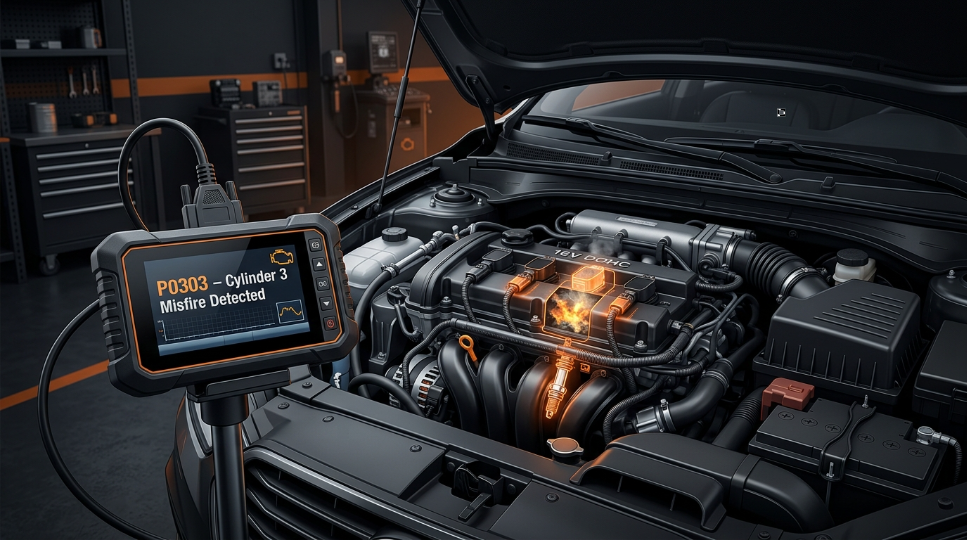
One of the cornerstones of vehicle diagnostics in telematics is the On-Board Diagnostics (OBD2) system. The OBD2 is a standardized system that provides access to the status of the vehicle’s engine, transmission, and other critical components. Here’s how OBD2 contributes to safety:
Real-Time Monitoring: OBD2 systems continuously monitor various vehicle parameters. If something is amiss, like emissions issues or engine malfunctions, the system can alert the driver immediately, prompting necessary repairs.
Preventative Maintenance: By tracking the health of different components, OBD2 can provide valuable data that helps in scheduling preventative maintenance. Keeping your vehicle in optimal condition reduces the probability of breakdowns, thus enhancing safety on the road.
Error Codes: The OBD2 system generates error codes that pinpoint specific issues. This allows mechanics to quickly identify faults and make informed decisions regarding repairs, translating to safer vehicle operation.
Vehicle Diagnostics: A Safety Checkpoint
Beyond the OBD2 system, general vehicle diagnostics play an essential role in enhancing road safety. Regular diagnostics checks can identify problems that may compromise safety. Here’s how:
Early Problem Detection: Diagnostics can uncover issues in the transmission system, brakes, and tires before they escalate into dangerous situations.
Enhanced Vehicle Lifespan: Regular diagnostic assessments help in maintaining vehicles at peak performance, extending their lifespan and safety capabilities.
Emergency Response: Diagnostics systems can alert emergency services in case of severe incidents, ensuring that help arrives as quickly as possible.
TPMS and Its Impact on Tire Safety
The Tire Pressure Monitoring System (TPMS) is another critical telematics component, vital for enhancing vehicle safety. A properly functioning TPMS can significantly reduce the likelihood of tire blowouts and accidents. Here’s how:
Real-Time Tire Pressure Monitoring: TPMS monitors the air pressure in each tire, alerting drivers if pressure drops below the recommended levels.
Increased Fuel Efficiency: Well-inflated tires improve fuel efficiency, which not only saves money but also reduces the likelihood of a breakdown due to tire issues.
Prolongs Tire Lifespan: By maintaining optimal tire pressure, TPMS contributes to increased tire longevity, ensuring that vehicles are always equipped with reliable tires.
Battery Testers for Peace of Mind
Nothing is more inconvenient, and potentially dangerous, than a vehicle that won’t start due to a dead battery. Battery testers play an essential role in vehicle diagnostics, ensuring that your battery remains in peak condition:
Early Detection of Battery Issues: Regularly using a battery tester can help identify weakness or potential failures before they leave you stranded.
Optimized Vehicle Performance: A well-functioning battery ensures that a vehicle starts reliably and functions properly, supporting the operation of crucial safety systems such as ABS and airbags.
Data for Maintenance Schedules: By monitoring the battery's health, drivers can effectively keep up with servicing intervals, ensuring that the battery remains in good condition.
Leveraging OEM Technology for Enhanced Safety
Using Original Equipment Manufacturer (OEM) technologies ensures that vehicles run with components specifically designed for optimum performance. OEM parts and systems often integrate seamlessly with telematics, providing comprehensive safety solutions:
Compatibility: OEM systems ensure that all components communicate effectively, providing a holistic view of vehicle performance and safety.
Warranty Protection: OEM components usually come with warranties, which means that users receive quality assurance, enhancing the trustworthiness of their vehicles.
Expert Engineering: OEM parts are manufactured under strict quality controls, increasing the durability and safety features of your vehicle.
Integrating Telematics into Fleet Management
For businesses that operate fleets, integrating telematics into fleet management not only enhances efficiency but also significantly improves safety protocols:
Driver Behavior Monitoring: Telematics allows for the analysis of driver behavior—such as speeding, harsh braking, and acceleration—which can help in training drivers to adopt safer practices.
Route Optimization: With real-time data, telematics can suggest safer routes that avoid potential hazards, traffic congestion, and adverse weather conditions.
Incident Response: Fleet telematics systems can provide instant alerts in case of accidents, enabling quick responses and improving overall safety.
The Future of Telematics in Road Safety
As we advance further into a technology-driven world, the future of telematics looks promising, particularly in the realm of road safety. Innovations are continuously emerging, transforming how we think about vehicle performance and safety management:
Autonomous Vehicles: The continued development of autonomous vehicles heavily relies on telematics. These vehicles will use vast amounts of data to make real-time decisions that enhance safety.
Smart Infrastructure: Future road systems may integrate with vehicle telematics, providing further data that can help improve traffic flow and reduce accidents.
Predictive Analytics: As machine learning and predictive analytics evolve, telematics systems will be able to provide insights into potential hazards before they become a reality, allowing drivers to take preemptive measures.
Your Road Safety Companion: Embrace Telematics Today!
In conclusion, the integration of telematics into our driving experience represents a significant step toward safer roads. Through tools such as OBD2 systems, vehicle diagnostics, TPMS, battery testers, and OEM technologies, we can enhance safety, prevent accidents, and ensure that our vehicles perform at their best. Investing in telematics isn't just a smart choice for individuals; it's a responsible decision for businesses operating fleets. The future is here, and embracing these technologies will pave the way for safer journeys ahead.
Don’t wait for safety to become a concern; equip yourself with telematics tools today and take a proactive step toward safer driving!
FAQs
What is telematics and how does it improve road safety?
Telematics is the integration of telecommunications and vehicle technologies that allows for real-time data collection and monitoring of vehicle performance. It improves road safety by providing insights into vehicle conditions and behaviors that can prevent accidents.
How does the OBD2 system contribute to vehicle safety?
The OBD2 system provides real-time monitoring of critical vehicle components and alerts drivers to issues, enabling preventative maintenance and quick identification of faults, which enhances safety.
What role does the Tire Pressure Monitoring System (TPMS) play in vehicle safety?
TPMS monitors tire pressure in real-time, alerts drivers of low pressure, and helps maintain optimal tire conditions, which reduces the likelihood of blowouts and improves overall vehicle safety.
Why are battery testers important for vehicle safety?
Battery testers help detect battery issues early, ensuring reliable vehicle starts and supporting crucial safety systems. Regular testing maintains optimal battery health, promoting safer driving experiences.
How can telematics be integrated into fleet management for improved safety?
Telematics in fleet management allows for monitoring driver behavior, optimizing routes for safety, and providing instant alerts during incidents, significantly improving overall safety protocols.