The Ultimate Guide to Car Codes: From Diagnosis to Repair

If you’ve ever seen your check engine light come on and wondered what to do next, you’re not alone. Modern vehicles generate OBD2 codes that can help you quickly identify the problem. Understanding these codes and knowing how to address them is key to keeping your car in peak condition.
This ultimate guide will take you step-by-step from reading car codes to repairing your vehicle.
What Are Car Codes and Why They Matter
Car codes, also known as OBD2 or ob2 codes, are alphanumeric signals generated by your vehicle’s onboard diagnostic system. They indicate issues with systems like:
Engine and transmission
Fuel and emission systems
Electronics and sensors
Ignoring these codes can lead to more serious problems, increased repair costs, and reduced fuel efficiency.
How to Read Car Codes
Reading OBD2 codes is easier than you think:
Connect an OBD2 Scanner: Plug it into your vehicle’s OBD2 port.
Power On: Turn your ignition on but don’t start the engine.
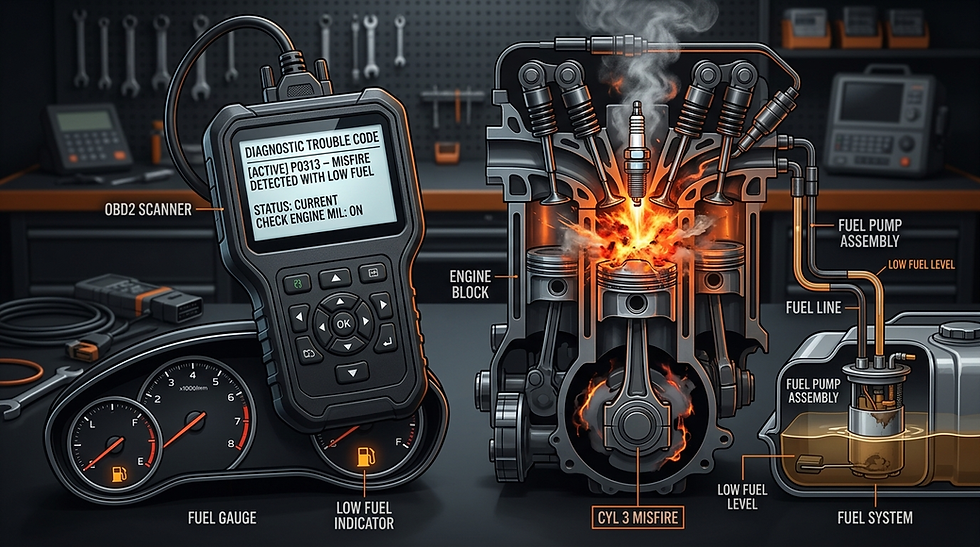
Scan for Codes: The scanner retrieves all active and stored codes.
Interpret the Codes: Use your scanner’s app or a reliable online database to understand what each code means.
Take Action: Decide whether a DIY fix is possible or if you need a professional.
Common OBD2 Codes and Their Meanings
Here are some common codes every car owner should know:
P0300: Random cylinder misfire
P0420: Catalytic converter efficiency low
P0171: Engine running lean
P0455: Fuel system leak detected
These codes give insight into the check engine issues that may be affecting your car.
Step-by-Step Repair Process
1. Identify the Issue
Use the OBD2 scanner to retrieve the exact code. Understanding the problem is the first step toward repair.
2. Inspect the Vehicle
Physically check the related parts such as:
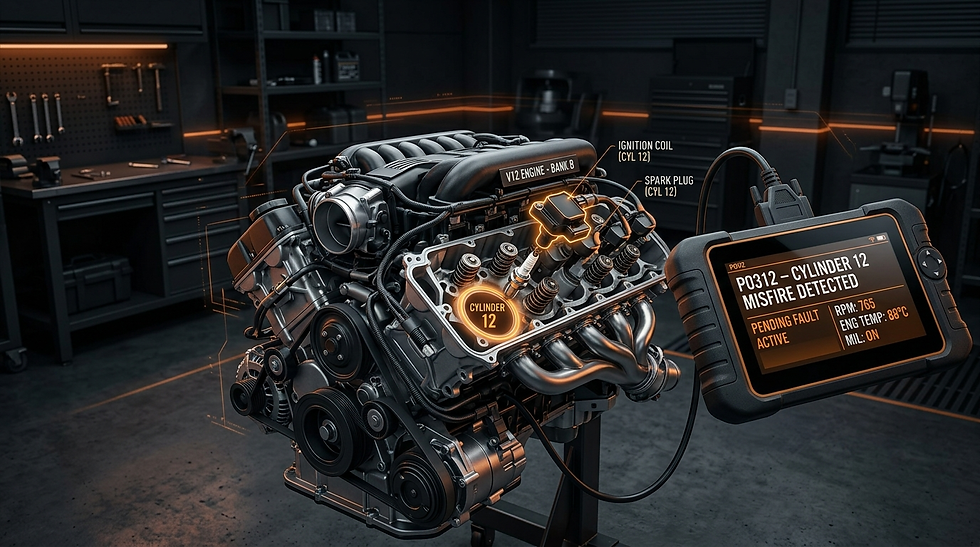
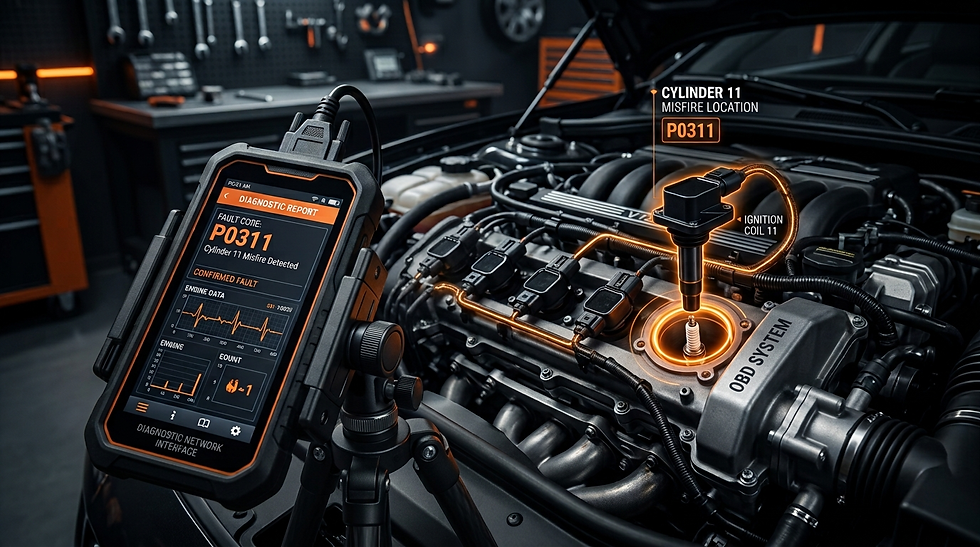
Spark plugs and ignition coils for misfires
Oxygen sensors and catalytic converters for emissions issues
Fuel system components for leaks
3. Fix the Problem
Replace faulty sensors or parts
Tighten loose connections
Clean components like fuel injectors or air filters
4. Clear the Codes
After repair, use your scanner to reset the check engine light. Drive your vehicle to confirm the issue is resolved.
5. Monitor Performance
Keep an eye on engine behavior, fuel efficiency, and any recurring codes. Some problems may need repeated attention or further inspection.
Tips for Effective Car Code Management
Invest in a reliable OBD2 scanner: Bluetooth models allow real-time monitoring.
Keep a maintenance log: Track recurring issues and repairs.
Follow manufacturer recommendations: Use OEM parts for replacements.
Address codes promptly: Don’t ignore the check engine light.
When to Seek Professional Help
Some problems are complex and require expert intervention:
Transmission issues or error codes
Engine misfires that persist after DIY fixes
Emission failures affecting compliance
Professional mechanics can access advanced diagnostic tools to safely fix these issues.
Conclusion
Mastering car codes transforms how you handle vehicle maintenance. Using OBD2 scanners, you can diagnose problems quickly, decide which repairs you can do yourself, and know when to call a professional. This proactive approach saves time, reduces costs, and keeps your vehicle running smoothly.