The Role of OBD2 in Modern Automotive Diagnostics

Modern vehicles are complex machines with advanced electronic systems. Diagnosing problems without the right tools would be extremely difficult.
OBD2 automotive diagnostics provide a standardized system that helps technicians identify vehicle problems quickly and accurately.
How OBD2 Works
OBD2 systems monitor various vehicle components using sensors and electronic control units.
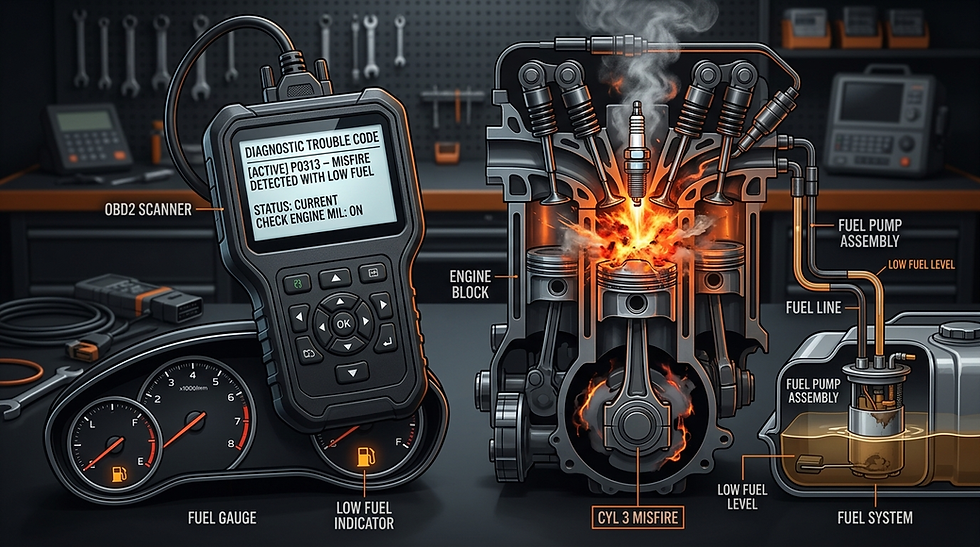
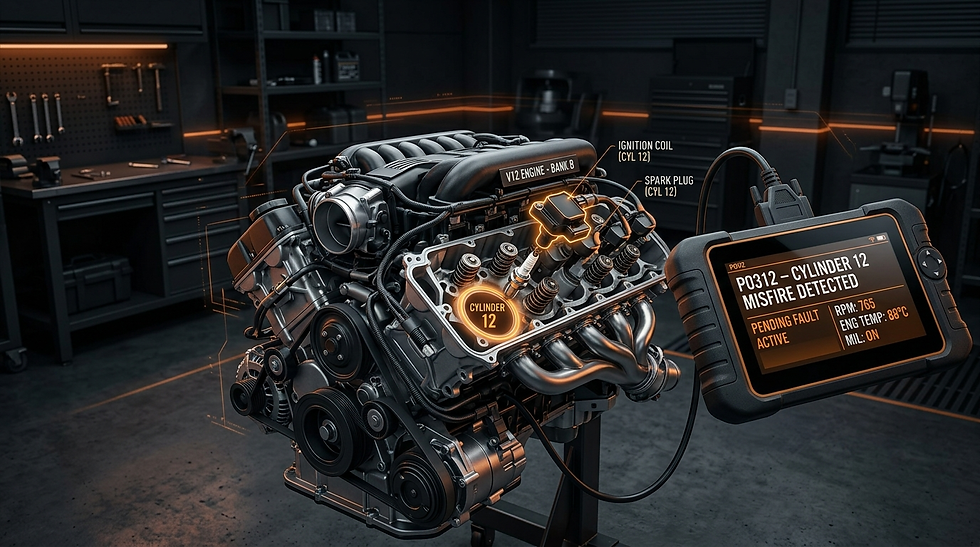
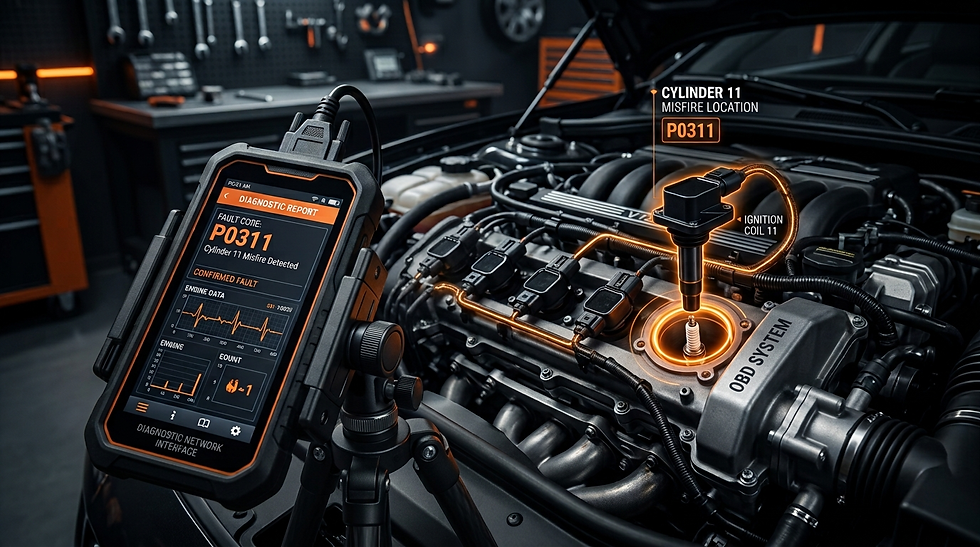
When a malfunction occurs, the system stores a diagnostic trouble code in the vehicle’s computer.
Technicians can retrieve these codes using an OBD2 scanner.
Benefits of OBD2 Diagnostics
OBD2 technology offers several advantages for automotive diagnostics:
Faster problem detection
Accurate fault identification
Reduced repair time
Improved maintenance efficiency
This system allows mechanics to diagnose issues without dismantling vehicle components unnecessarily.
Importance for Modern Vehicles
Today’s vehicles include dozens of sensors and electronic systems. OBD2 diagnostics help monitor these systems continuously.
This ensures that vehicles remain safe, efficient, and environmentally compliant.
Conclusion
OBD2 automotive diagnostics have transformed the way vehicles are repaired and maintained. By providing accurate diagnostic information, this system helps technicians identify problems quickly and keep vehicles running smoothly.