The Role of OBD2 in Emission Testing

Vehicle emissions are a major contributor to air pollution. To reduce environmental impact, many countries require vehicles to undergo emissions testing.
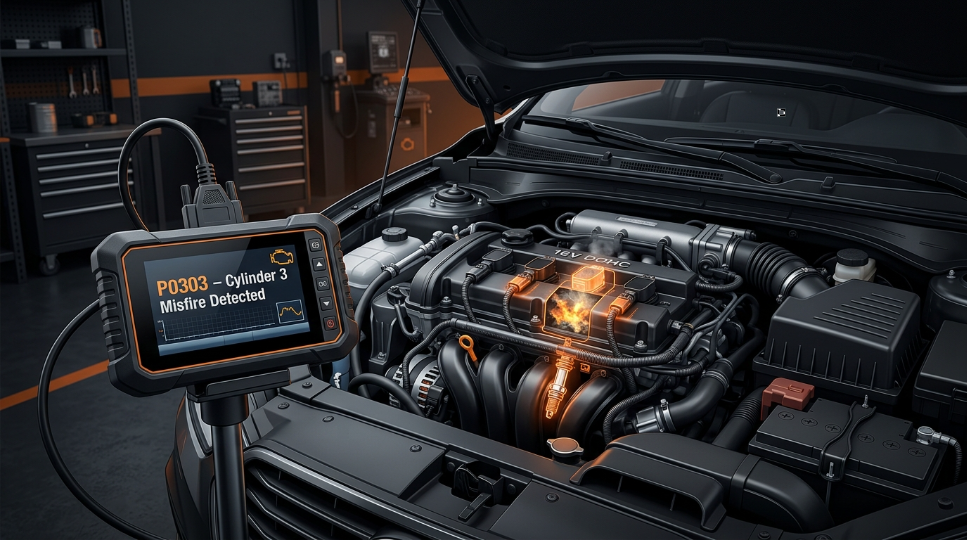
Modern vehicles use OBD2 emission testing systems to monitor emission-related components and ensure compliance with environmental standards.
How OBD2 Supports Emission Testing
OBD2 systems track the performance of components responsible for controlling emissions.
These components include:
Oxygen sensors
Catalytic converters
EVAP systems
Exhaust gas recirculation systems
If any of these components fail, the system triggers the check engine light.
Advantages of OBD2 Emission Testing
Using OBD2 technology for emissions testing provides several benefits:
Faster inspection procedures
Accurate emission monitoring
Early detection of pollution problems
This helps ensure that vehicles meet environmental regulations.
Why Emission Testing Matters
Reducing vehicle emissions helps protect the environment and improve air quality. OBD2 technology plays an important role in achieving these goals.
Conclusion
OBD2 emission testing systems help monitor pollution levels and ensure vehicles operate within environmental standards. This technology supports cleaner air and better environmental protection.
Regular diagnostics help maintain proper emission system performance.