The Role of OBD in Monitoring Vehicle Sensors

Modern vehicles rely on dozens of sensors to manage engine performance, safety systems, and emissions control. These sensors constantly send data to the vehicle’s control modules.
OBD sensor monitoring ensures that all sensors function correctly and provide accurate data.
Types of Sensors Monitored by OBD
Some of the most important sensors include:
Oxygen sensors
Mass airflow sensors
Throttle position sensors
Coolant temperature sensors
Crankshaft and camshaft sensors
Each sensor plays a role in controlling engine behavior.
How OBD Detects Sensor Failures
OBD systems compare sensor data with expected operating ranges.
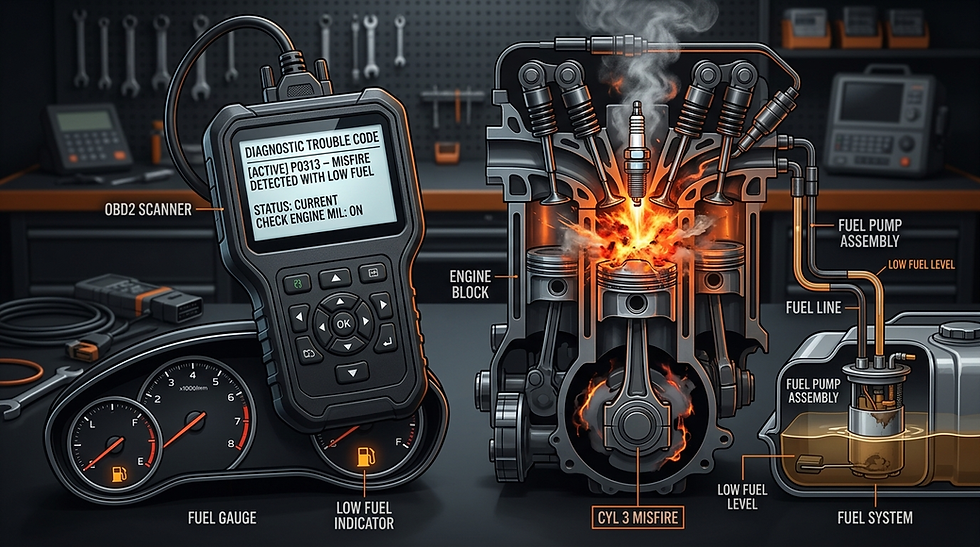
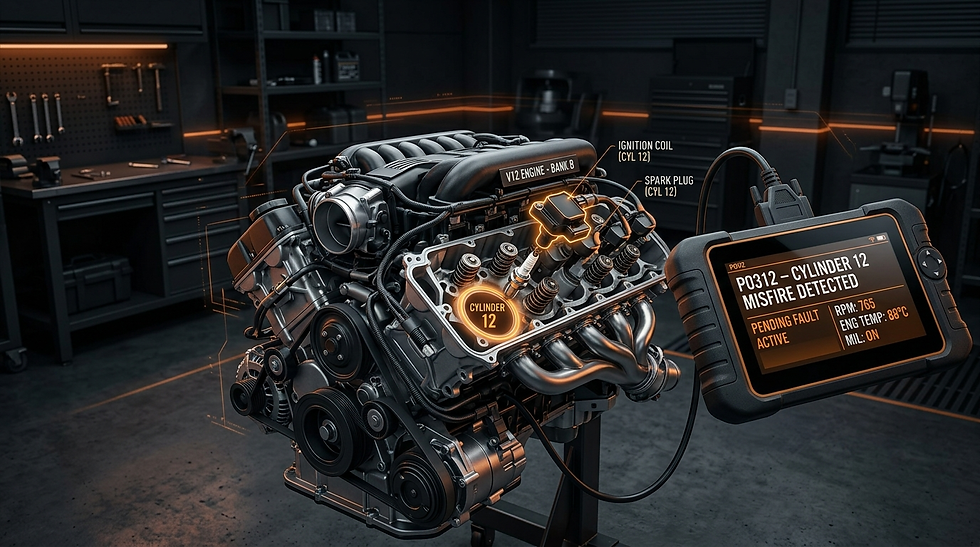
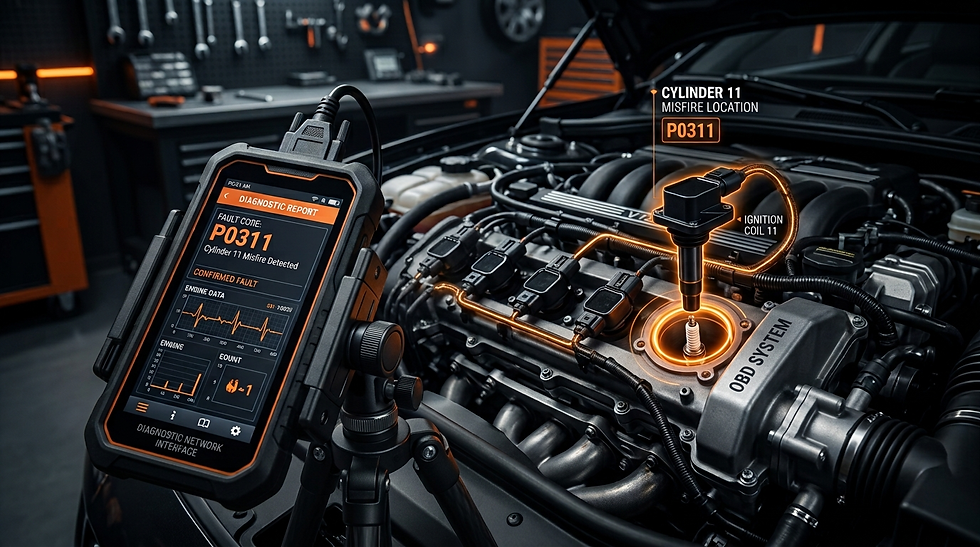
If a sensor produces abnormal readings, the ECU stores a trouble code indicating the faulty component.
Benefits of Sensor Monitoring
Proper sensor operation helps:
Maintain engine performance
Improve fuel economy
Reduce emissions
Prevent mechanical damage
Accurate sensor data is essential for modern vehicle management.
Conclusion
OBD sensor monitoring is a critical part of vehicle diagnostics. By tracking dozens of sensors in real time, the system ensures that the engine and other vehicle systems operate correctly.
Routine diagnostics help detect faulty sensors early and maintain reliable vehicle performance.