The Rise of AI Vehicle Diagnostics: What Workshops Need to Know
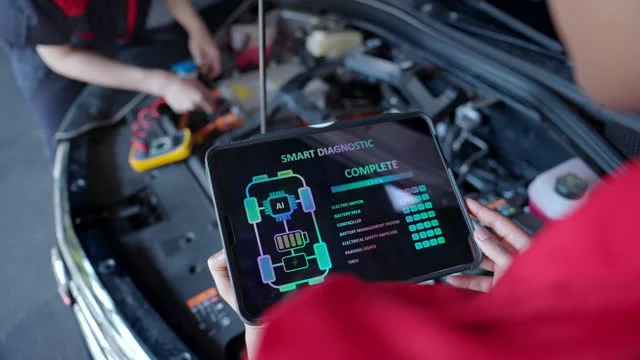
The automotive industry is undergoing a tech-driven revolution, and one of the most significant changes is the integration of Artificial Intelligence (AI) in vehicle diagnostics. Workshops that embrace AI technology can improve efficiency, reduce errors, and offer predictive maintenance services that were previously impossible. In this blog, we’ll explore how AI is reshaping automotive diagnostics and what workshops need to know to stay competitive.
What is AI Vehicle Diagnostics?
AI vehicle diagnostics uses machine learning algorithms and big data analysis to identify issues in vehicles faster and more accurately than traditional methods. By analyzing patterns from past repairs, sensor data, and real-time vehicle information, AI systems can detect problems before they escalate.
Key Benefits of AI in Workshops
Faster and More Accurate DiagnosesAI systems process vast amounts of vehicle data quickly, reducing human error and ensuring mechanics focus on the right repairs.
Predictive MaintenanceAI can predict parts failure and maintenance needs based on historical data, helping workshops schedule proactive maintenance instead of reactive fixes.
Cost EfficiencyFewer diagnostic errors and reduced downtime save both workshops and customers money, boosting overall profitability.
Enhanced Customer ExperienceQuick, accurate diagnostics increase customer trust and satisfaction, positioning the workshop as a modern, tech-savvy service provider.
Examples of AI Diagnostic Tools
OBD-II Connected AI Devices: Real-time vehicle data analysis for accurate diagnostics.
AI-Powered Software Platforms: Tools like Bosch or AutoEnginuity integrating AI to analyze error codes and sensor data.
Predictive Maintenance Apps: Platforms that forecast potential issues and send maintenance alerts automatically.
How Workshops Can Implement AI Solutions
Start with AI-powered diagnostic tools compatible with existing systems.
Train technicians to interpret AI-generated reports effectively.
Integrate predictive maintenance platforms to offer proactive services.
Continuously update AI systems with the latest vehicle models and data for maximum efficiency.
Future Trends in AI Vehicle Diagnostics
Increased integration of AI with IoT-enabled vehicles
Fully autonomous predictive maintenance systems
AI-driven remote diagnostics for mobile repair services
Conclusion
AI in vehicle diagnostics is no longer a futuristic concept—it’s here, and it’s transforming workshops worldwide. By embracing AI technology, workshops can improve efficiency, reduce costs, and provide an elevated customer experience. Those who adopt early will have a competitive edge in the rapidly evolving automotive industry.


