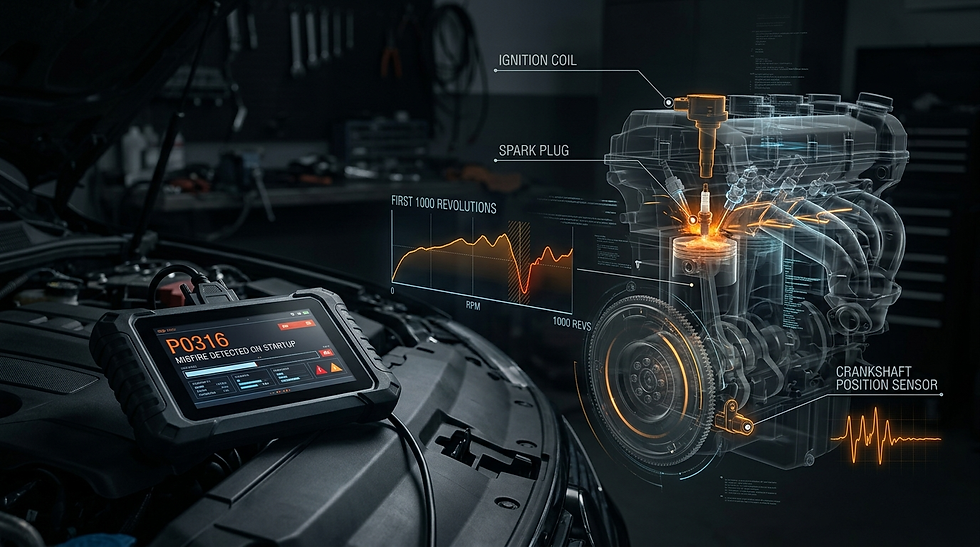
The Future of OBD Technology in Smart Vehicles

The automotive industry is rapidly evolving with new technologies such as electric vehicles, connected cars, and autonomous driving systems. As vehicles become more advanced, OBD technology continues to evolve as well.
The future of OBD systems will focus on smarter diagnostics and real-time vehicle monitoring.
Integration with Connected Vehicles
Future vehicles will be connected to the internet, allowing OBD systems to transmit diagnostic data directly to service centers.
This technology can alert drivers and mechanics about problems instantly.
Remote Diagnostics
Remote diagnostics is becoming increasingly popular. Instead of visiting a repair shop, technicians can analyze vehicle data remotely using cloud-based systems.
This will make vehicle maintenance faster and more convenient.
Advanced Predictive Maintenance
Future OBD systems will use artificial intelligence to predict mechanical failures before they happen.
Predictive diagnostics will help drivers avoid unexpected breakdowns.
Integration with Electric Vehicles
Electric vehicles also use advanced diagnostic systems similar to OBD2. These systems monitor battery health, charging performance, and electric motor efficiency.
OBD technology will continue to evolve as electric vehicles become more common.
Conclusion
The future of OBD technology will focus on smarter diagnostics, predictive maintenance, and connected vehicle systems. As automotive technology advances, OBD systems will remain an essential tool for monitoring vehicle performance and safety.
Drivers and technicians will benefit from faster diagnostics and improved vehicle reliability.