Revolutionizing Fleet Management: The Integration of Telematics with IoT Technology

Updated: Nov 11, 2025

Overview
The integration of telematics and IoT technology is transforming the automotive industry by enhancing vehicle diagnostics, real-time data analysis, and predictive maintenance. This synergy improves safety, reduces operational costs, and offers better user experiences while addressing challenges like data security and compliance. As vehicles become more connected, embracing these advancements is essential for optimizing performance and efficiency.
Contents
The relationship between telematics and IoT technology has created a paradigm shift in the automotive industry, paving the way for sophisticated vehicle management systems. As the world becomes increasingly connected, integrating telematics with Internet of Things (IoT) technology offers groundbreaking opportunities in vehicle diagnostics, real-time data analysis, and predictive maintenance. In this blog post, we will unpack the benefits of this integration, particularly focusing on how it enhances OBD2 functionalities, vehicle diagnostics, TPMS, and battery testers, while emphasizing OEM standards.
What is Telematics?
Telematics refers to the technology that combines telecommunications and monitoring systems to collect and transmit data from vehicles. This data can range from location tracking to vehicle diagnostics. Historically used by businesses to manage fleets, telematics has evolved into a crucial component for assessing vehicle performance, enhancing safety protocols, and reducing operational costs.
A Glimpse into IoT Technology
The Internet of Things (IoT) represents a network of interconnected devices that communicate and exchange data over the internet. In the automotive sector, IoT technology facilitates the collection of vast amounts of data from various vehicle sensors, allowing for smarter decision-making. When paired with telematics, IoT can provide real-time insights into vehicle performance, making the management of resources far more efficient.
The Synergy of Telematics and IoT Technology
The integration of telematics with IoT technology produces a powerful solution for both fleet management and individual vehicle users. Here’s a breakdown of how this synergy manifests in practical applications:
1. Enhanced Vehicle Diagnostics
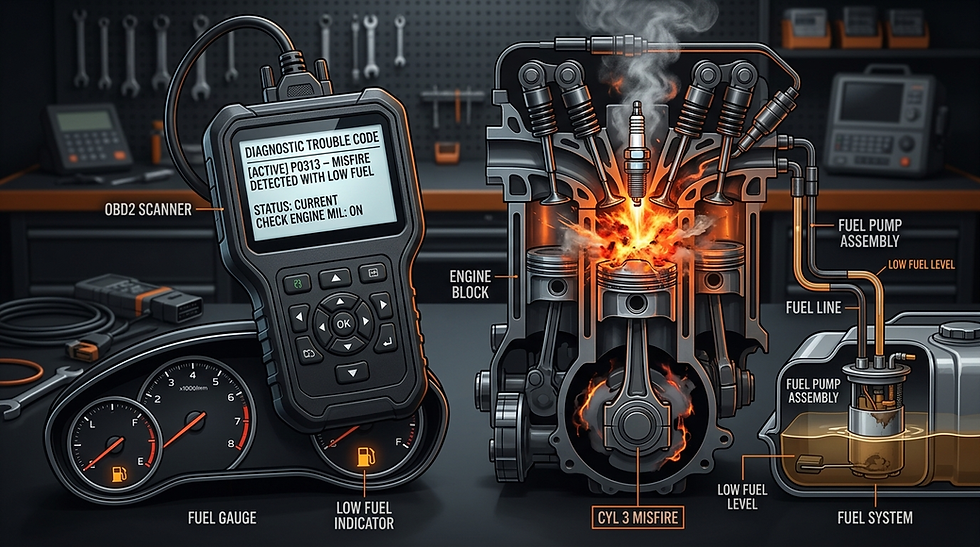
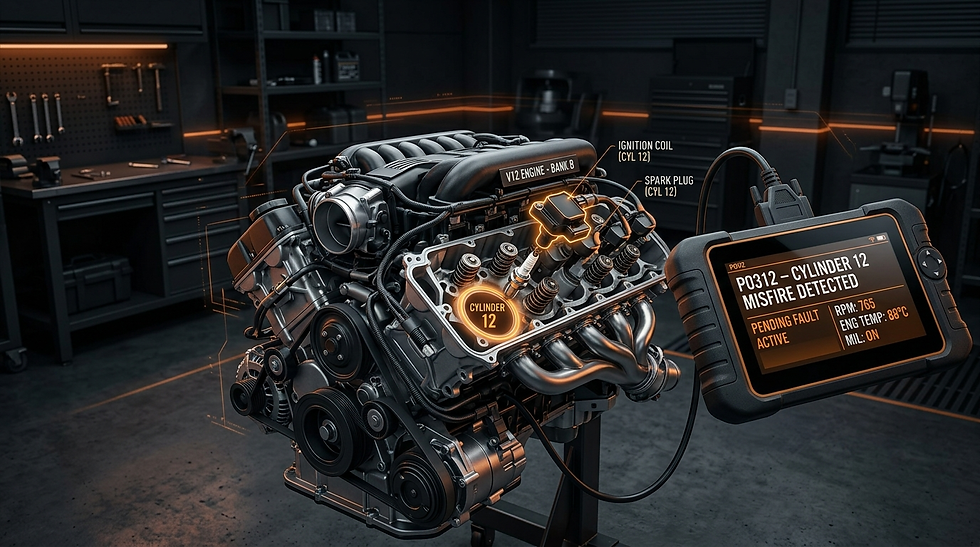
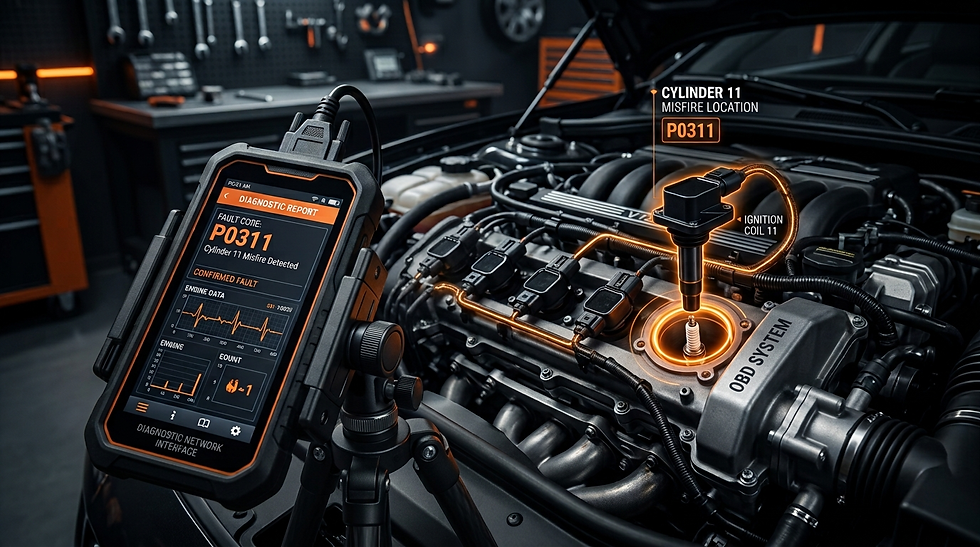
Telematics systems equipped with IoT capabilities can offer superior vehicle diagnostics. Utilizing On-Board Diagnostics (OBD2), vehicle sensors communicate various data points related to engine performance, emissions, and overall health. This integration allows manufacturers and fleet managers to pinpoint issues before they escalate. Regular monitoring through IoT-enabled devices gives insights into mileage, fuel consumption, and even battery health, ensuring that vehicles are operating efficiently.
2. Advanced Tire Pressure Monitoring Systems (TPMS)
TPMS is an essential feature for maintaining vehicle safety and performance. When integrated with telematics and IoT technology, TPMS can automatically relay data on tire pressure and temperature to the vehicle's dashboard or a mobile application. This connectivity enables drivers to resolve potential tire issues quickly, enhancing not only the safety of the vehicle but also its fuel efficiency, thus contributing to lower operational costs.
3. Predictive Maintenance and Battery Testing
By leveraging IoT integration, telematics systems can predict potential maintenance issues before they become significant problems. For instance, data collected from battery testers can provide insights into battery health over time. By analyzing patterns and trends in vehicle performance, technicians can schedule maintenance proactively, reducing downtime and extending the life of the vehicle. This predictive approach is especially beneficial for fleet operators, as it minimizes interruptions to service and cuts unnecessary maintenance costs.
The Role of OEMs in Telematics and IoT Integration
Original Equipment Manufacturers (OEMs) play a vital role in integrating telematics with IoT technology. With their vast resources, OEMs can develop advanced systems that facilitate seamless data exchange between vehicles and the cloud. By equipping vehicles with smart technology from the start, OEMs can ensure that the vehicles they produce accommodate the telematics solutions that businesses need to thrive. This attention to integration also allows OEMs to provide ongoing software updates, further enhancing vehicle performance over time.
Benefits of Integrating Telematics and IoT
The integration of telematics and IoT technology offers numerous benefits for both consumers and businesses:
Real-time Monitoring: Continuous vehicle monitoring helps in quick decision-making, whether for fleet management or personal use.
Improved Safety: Systems like TPMS and advanced diagnostics lead to safer driving conditions and lower accident rates.
Cost Efficiency: With predictive maintenance, companies can save money on repairs and maintenance schedules.
Enhanced User Experience: Drivers receive immediate alerts regarding vehicle issues and performance, leading to a better driving experience.
Data-Driven Decisions: The vast data collected facilitates more informed decisions regarding vehicle usage and maintenance.
Case Studies and Real-World Applications
To comprehend the significant impact of telematics and IoT integration, let’s look at a couple of real-world applications where this technology has been implemented successfully.
1. Fleet Management Innovations
Companies like logistics and transportation services have leveraged telematics integrated with IoT to monitor their fleet in real-time. For instance, they can track vehicle location and diagnostics, enabling efficient route planning and vehicle utilization. Sensors installed in vehicles report tire pressure and battery conditions, allowing fleet managers to ensure that every vehicle is in optimal condition before it hits the road.
2. Personal Vehicles and Smart Connectivity
Consumers are increasingly demanding smart features in their vehicles. For instance, car owners with IoT-enabled vehicles receive instant notifications about tire pressure issues, low battery levels, and even upcoming maintenance needs through their mobile devices. This not only fosters safer driving habits but also enhances the ownership experience. A proactive approach to vehicle health encourages better vehicle maintenance and longevity.
Challenges of Integration
While the benefits of integrating telematics and IoT technology are apparent, several challenges still must be addressed:
Data Security: With increasing connectivity, the risk of cyber-attacks also rises. Protecting sensitive data is a critical concern.
Compliance Issues: Various regulations and compliance requirements affect how data can be gathered, stored, and used.
Standardization: The lack of industry-wide standards can complicate the interoperability of different telematics systems and devices.
Cost of Implementation: Initial setup and integration costs can be high, particularly for small businesses.
Future Prospects: The Evolution of Telematics and IoT
The future of telematics and IoT integration looks promising. With advancements in artificial intelligence (AI) and machine learning (ML), predictive analytics will continue to improve, providing even better insights for vehicle diagnostics and maintenance. The use of big data analytics will create more opportunities for businesses to refine their fleet operations.
As connected vehicles continue to dominate the automotive landscape, businesses and consumers will see ongoing enhancements in security, efficiency, and functionality. The commitment to innovation and technological advancements promises to deliver solutions that meet the growing demands of today’s drivers.
Drive the Change: Embrace the Future of Vehicle Management
As we've explored, the integration of telematics with IoT technology revolutionizes vehicle diagnostics and fleet management. It combines real-time data, predictive maintenance, and enhanced user experiences to improve safety and operational efficiency. As industries evolve and adapt to these new technologies, embracing these systemic changes becomes crucial for both drivers and organizations looking to optimize their operations. By standing at the forefront of this evolution, you can ensure your vehicles remain road-ready, efficient, and equipped for success in an increasingly connected world.
FAQs
What is telematics?
Telematics refers to the technology that combines telecommunications and monitoring systems to collect and transmit data from vehicles, including location tracking and vehicle diagnostics.
How does IoT technology enhance vehicle management?
IoT technology enhances vehicle management by facilitating the collection of vast amounts of data from various vehicle sensors, allowing for smarter decision-making and real-time insights into vehicle performance.
What are the benefits of integrating telematics with IoT technology?
The benefits include real-time monitoring, improved safety, cost efficiency, enhanced user experience, and data-driven decisions.
What role do OEMs play in the integration of telematics and IoT?
OEMs develop advanced systems that facilitate seamless data exchange between vehicles and the cloud, ensuring vehicles are equipped with the necessary telematics technology from the start.
What are some challenges associated with the integration of telematics and IoT?
Challenges include data security risks, compliance issues, lack of standardization, and the initial cost of implementation.