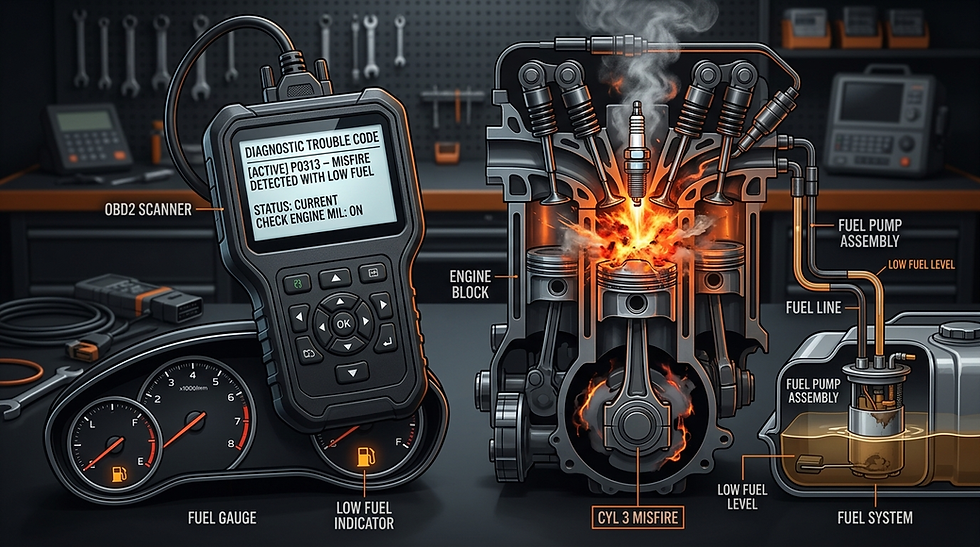
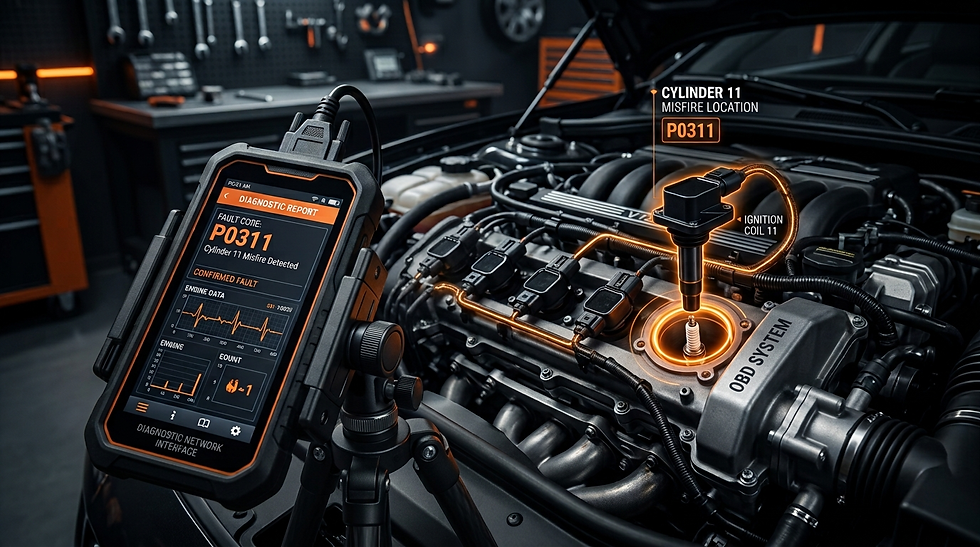
OBD Diagnostics for Fuel System Efficiency and Optimization

Fuel efficiency is one of the most important performance indicators for modern vehicles. Rising fuel costs and stricter emissions standards have made accurate engine tuning essential. OBD fuel system diagnostics allow drivers and technicians to monitor how efficiently fuel is delivered, burned, and adjusted in real time.
How the Fuel System Works
A vehicle’s fuel system is controlled by the ECU, which uses data from multiple sensors to determine:
Fuel injector pulse width
Air-fuel ratio
Engine load conditions
Combustion efficiency
Any imbalance can lead to poor mileage, rough idling, or excessive emissions.
Fuel Parameters Monitored by OBD
OBD systems analyze:
Short-term fuel trim (STFT) – immediate fuel adjustments
Long-term fuel trim (LTFT) – adaptive fuel corrections
Injector timing and response
Oxygen sensor feedback
Abnormal values often indicate clogged injectors, vacuum leaks, or failing sensors.
Benefits of OBD Fuel Diagnostics
Improved fuel economy
Early injector problem detection
Reduced carbon buildup
Lower emissions
Conclusion
OBD diagnostics provide precise insights into fuel system performance, helping drivers optimize efficiency and prevent costly repairs.