OBD Diagnostics for Engine Warm-Up Efficiency and Cold Weather Performance
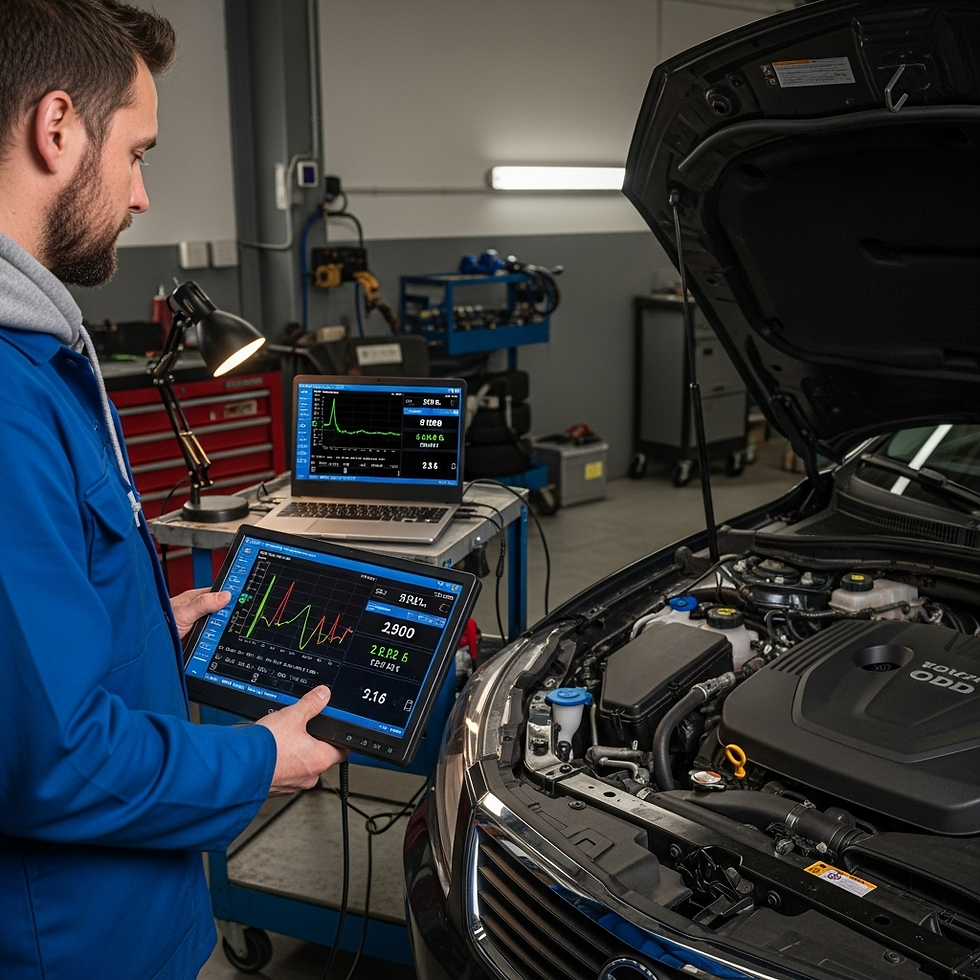
Cold weather significantly affects engine performance, fuel consumption, and emissions. Efficient engine warm-up is critical for protecting components and ensuring smooth operation. OBD engine warm-up diagnostics provide precise insights into how quickly and effectively an engine reaches its optimal temperature.
How Engine Warm-Up Works
Role of the Coolant Temperature Sensor
The ECU relies on coolant temperature data to:
Adjust fuel mixture
Control idle speed
Switch from open-loop to closed-loop operation
Open Loop vs Closed Loop Operation
Open loop: Rich fuel mixture during cold starts
Closed loop: Normal operation once sensors stabilize
How OBD Diagnostics Monitor Warm-Up
Key Parameters Tracked
Coolant temperature rise rate
Idle RPM behavior
Fuel enrichment duration
Fan activation timing
Common Warm-Up Problems Identified
Thermostat stuck open
Faulty temperature sensors
Premature cooling fan operation
Benefits of Monitoring Warm-Up Efficiency
Reduced engine wear
Improved fuel economy
Lower emissions
Better winter drivability
Conclusion
OBD warm-up diagnostics help drivers detect cold-weather issues early and maintain long-term engine health.