How OBD2 Tools Help Improve Fuel Efficiency in Modern Vehicles

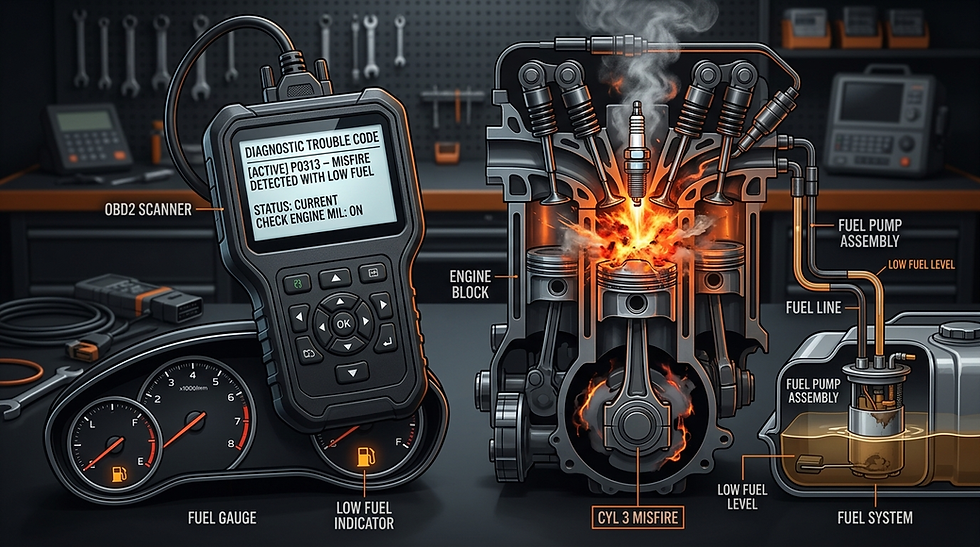
Fuel costs continue to rise, pushing drivers and fleet managers to seek smarter ways to reduce consumption. One of the most effective solutions is using OBD2 diagnostic tools that monitor real-time vehicle performance and help identify fuel-draining issues early.
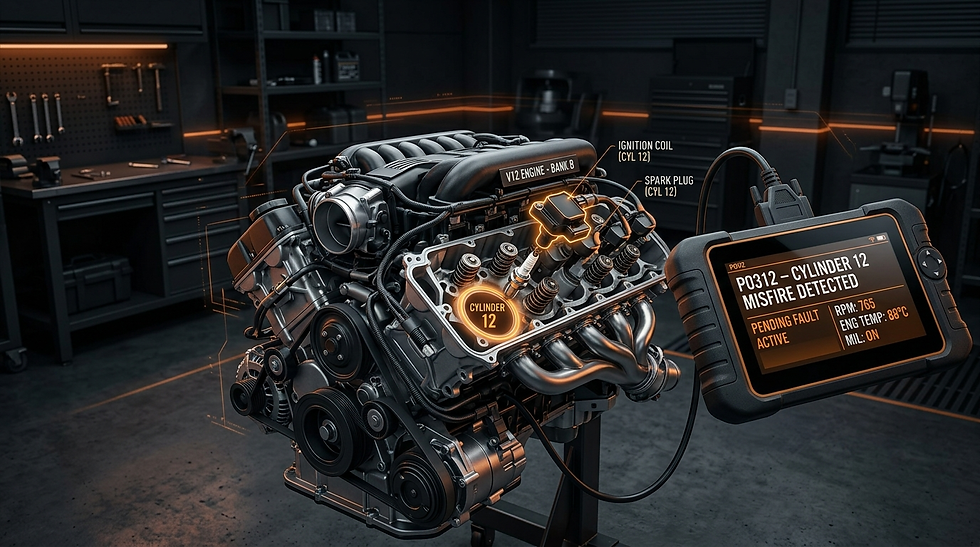
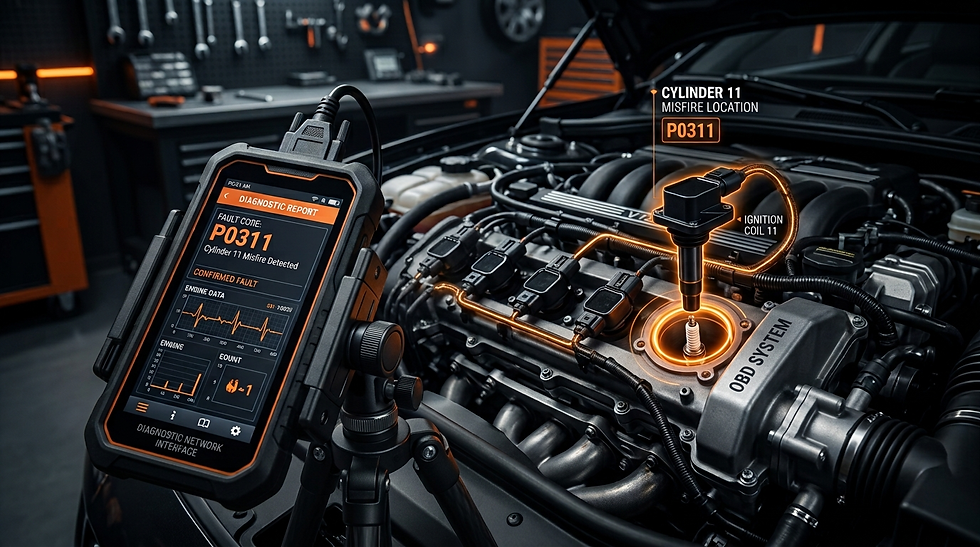
Modern systems like CHEPQ OBD2 scanners provide deep insights into engine health, driver habits, and system efficiency—giving you the power to save fuel and reduce long-term maintenance costs.
1. Detecting Engine Performance Issues
Fuel efficiency depends heavily on engine performance. OBD2 tools monitor:
Air-fuel ratio
Ignition timing
Oxygen sensor health
Fuel trim levels
These metrics help detect problems that cause excessive fuel burn.
2. Monitoring Tire and Battery Conditions
We often overlook how tire pressure and battery health influence mileage. OBD2 scanners can detect:
Low battery output
Charging system problems
Tire-related stress on the engine
Fixing these reduces unnecessary engine load and fuel waste.
3. Identifying Faulty Sensors
Bad sensors = incorrect data = poor combustion.OBD2 diagnostics catch:
MAF sensor failures
Oxygen sensor malfunctions
Intake temperature issues
Replacing faulty sensors can instantly boost fuel efficiency.
4. Improving Driver Behavior
Driving habits can drastically increase fuel consumption. OBD2 tools provide insights into:
Hard acceleration
Rapid braking
Excessive idling
Unnecessary high-speed driving
Better habits = lower monthly fuel expenses.
5. Preventing Long-Term Fuel Loss
Minor issues like small fuel system leaks, weak spark plugs, or dirty filters snowball into major inefficiencies. OBD2 scanners alert you early, preventing long-term damage and saving money.
Conclusion
Fuel efficiency isn’t luck—it’s data-driven. With OBD2 diagnostics from CHEPQ, drivers and fleets can monitor engine performance, optimize driving habits, and reduce fuel consumption with confidence.