How OBD2 Scanners Improve Preventive Maintenance Planning

Preventive maintenance is the key to extending vehicle life and avoiding expensive repairs. Modern vehicles generate continuous performance data, and an OBD2 scanner for preventive maintenance allows drivers and fleet managers to access this information in real time.
Instead of waiting for a breakdown, OBD2 diagnostics help identify problems before they become serious.
Why Preventive Maintenance Matters
Reduces Unexpected Breakdowns
Many major engine failures begin as minor sensor irregularities. Early detection prevents roadside emergencies.
Extends Vehicle Lifespan
Maintaining optimal operating conditions reduces wear on engine components, transmission systems, and exhaust components.
Lowers Long-Term Repair Costs
Small issues are cheaper to fix than catastrophic failures.
How OBD2 Supports Preventive Maintenance
Real-Time Data Monitoring
An OBD2 scanner provides live information on:
Engine temperature
Fuel trim levels
Battery voltage
Oxygen sensor readings
Early Fault Code Detection
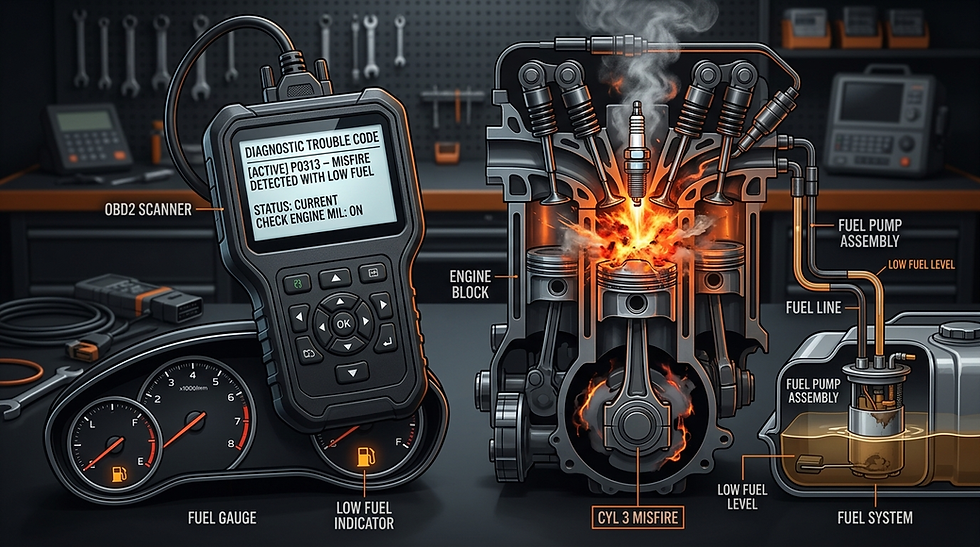
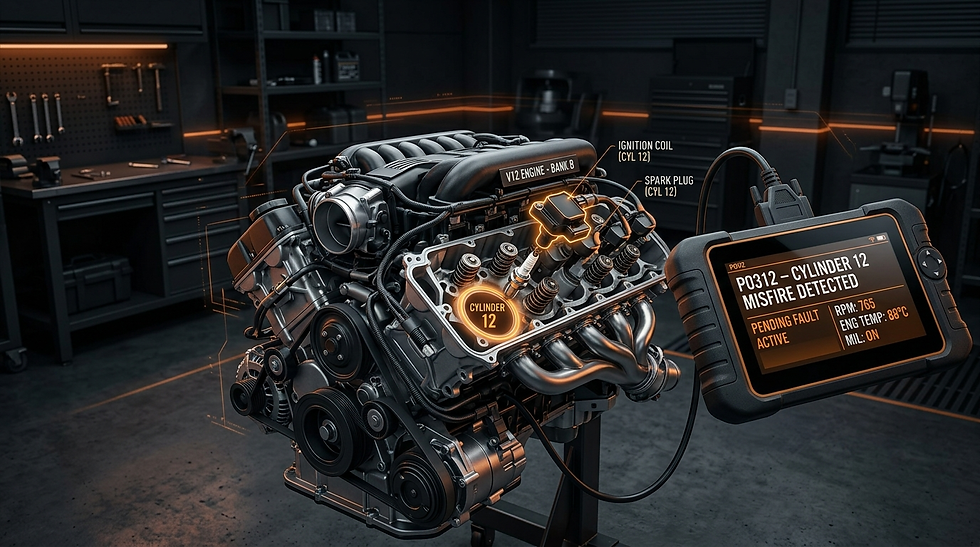
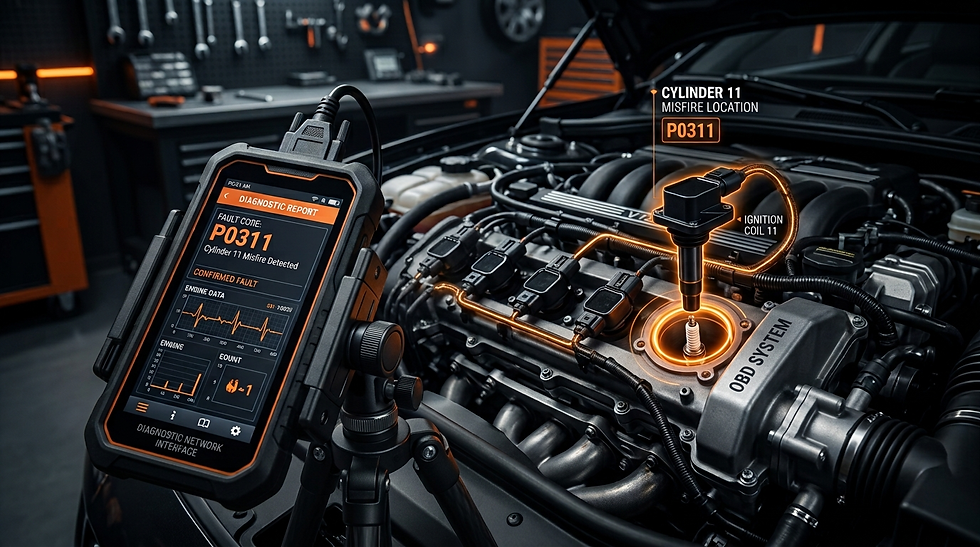
Diagnostic Trouble Codes (DTCs) allow mechanics to address issues before warning lights escalate.
Performance Trend Analysis
Tracking data over time reveals gradual declines in system efficiency.
Best Practices for Using OBD2 in Maintenance
Routine Monthly Scans
Even if no warning lights appear, scanning monthly helps detect hidden issues.
Monitoring Fuel Trim Values
Abnormal fuel trim readings often indicate intake leaks or fuel delivery problems.
Battery and Charging System Checks
Low voltage readings can predict battery failure.
Conclusion
OBD2 preventive maintenance strategies empower vehicle owners to stay ahead of problems. By using diagnostics proactively, drivers improve reliability, safety, and cost efficiency.