How OBD2 Helps Monitor Vehicle Sensors

Modern vehicles depend on dozens of sensors to monitor engine performance, fuel efficiency, and emissions. These sensors constantly send data to the vehicle’s computer system.
The OBD2 sensor monitoring system ensures that all these sensors work properly and alerts drivers when a problem occurs.
Why Sensors Are Important
Vehicle sensors measure important parameters such as:
Engine temperature
Air intake levels
Exhaust oxygen levels
Fuel pressure
This information allows the engine control unit to make real-time adjustments for optimal performance.
How OBD2 Detects Sensor Failures
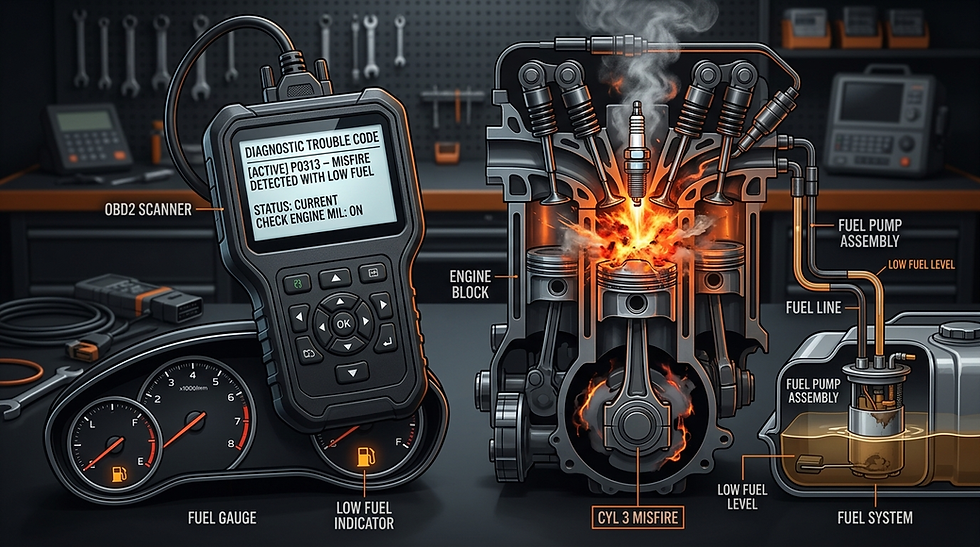
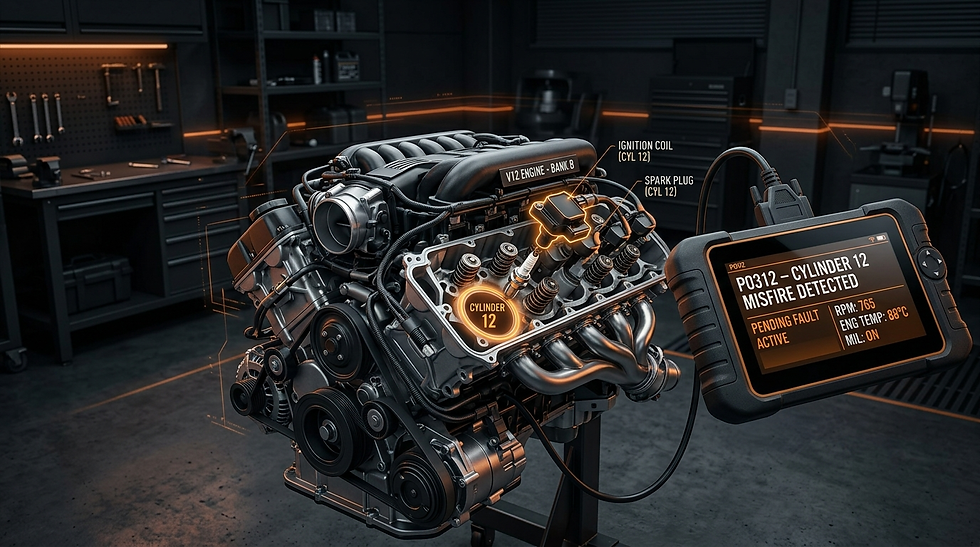
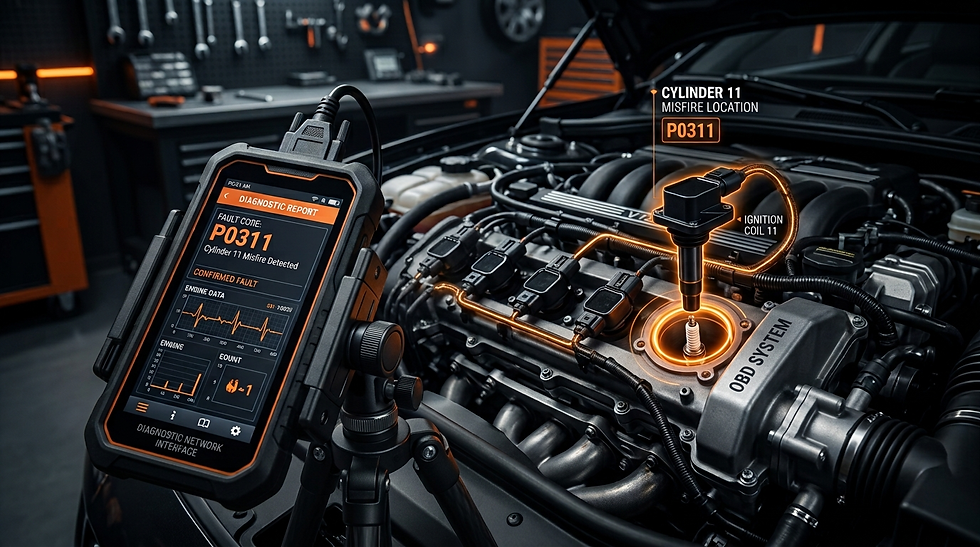
If a sensor sends abnormal readings or stops responding, the OBD2 system records a diagnostic trouble code. These codes help mechanics quickly identify the faulty component.
For example:
P0100 – Mass air flow sensor malfunction
P0115 – Engine coolant temperature sensor error
These codes make diagnostics much easier.
Benefits of OBD2 Sensor Monitoring
The monitoring system provides several advantages:
Early detection of sensor failures
Improved fuel efficiency
Reduced emissions
Better engine performance
Conclusion
OBD2 sensor monitoring plays an important role in maintaining vehicle reliability. By detecting faulty sensors early, drivers can prevent engine problems and ensure efficient vehicle operation.
Regular OBD2 scans help keep all vehicle sensors functioning properly.