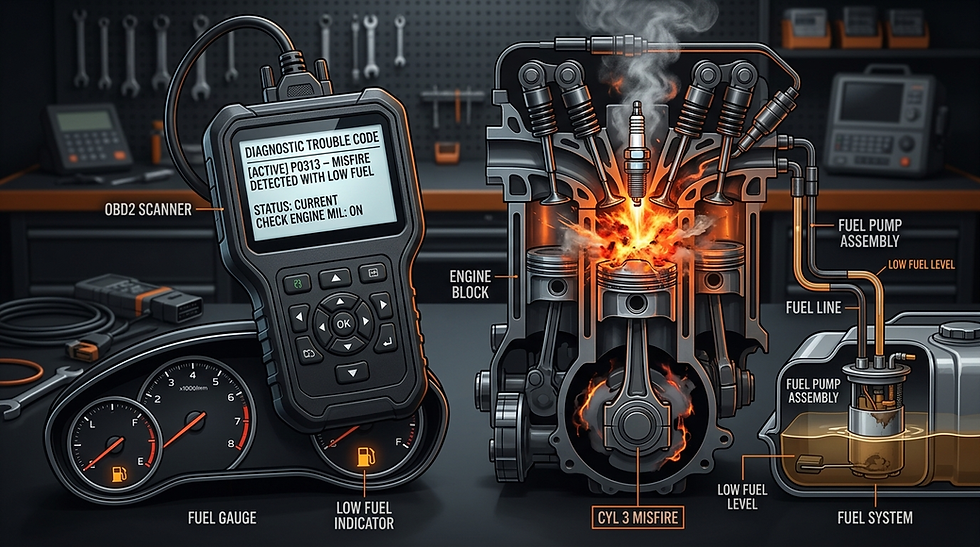
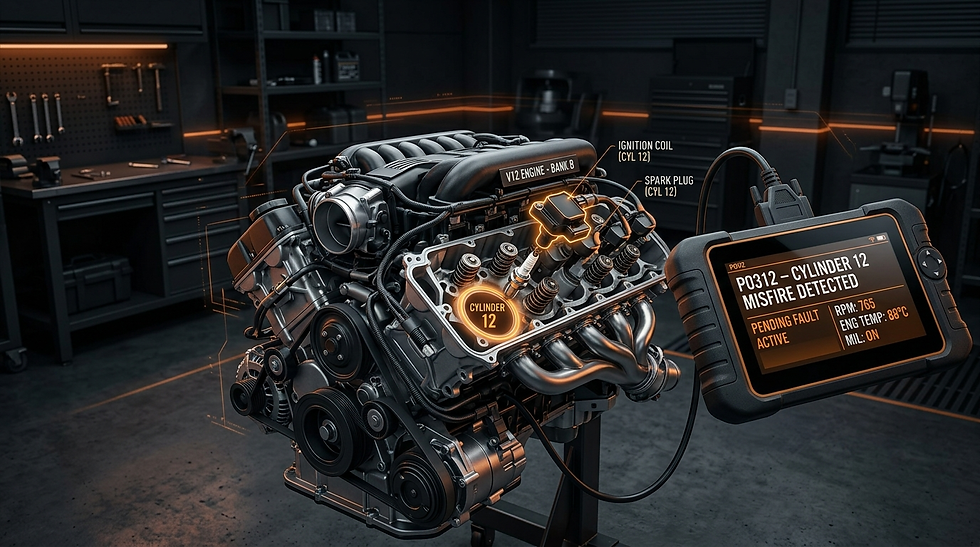
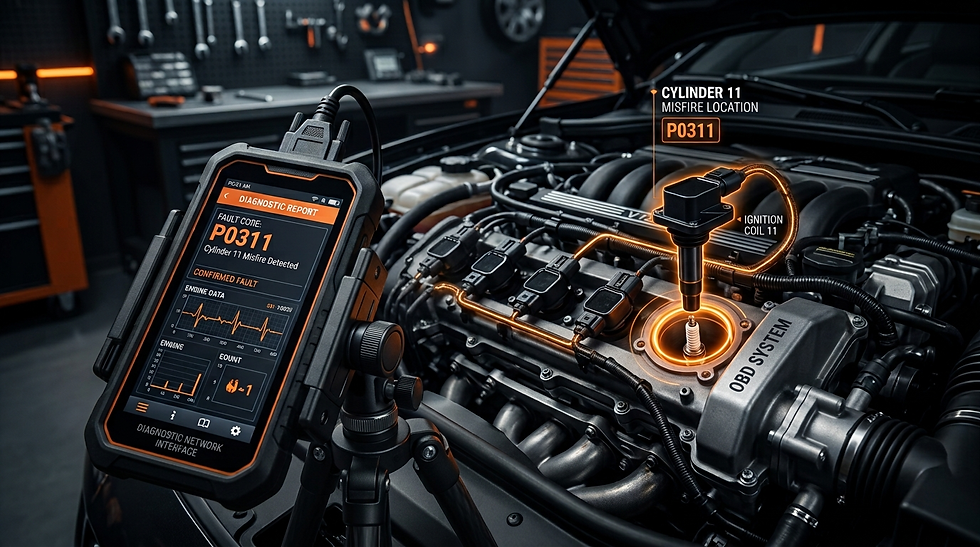
How OBD2 Helps Monitor Vehicle Fuel Economy

Fuel efficiency is an important concern for many drivers, especially with rising fuel costs. Modern vehicles use OBD2 fuel economy monitoring to track fuel usage and engine performance.
This information allows drivers to identify issues that may be affecting fuel efficiency.
How OBD2 Tracks Fuel Consumption
OBD2 systems collect data from several sensors including:
Oxygen sensors
Mass air flow sensors
Fuel injectors
Throttle position sensors
By analyzing this data, the vehicle’s computer calculates fuel consumption.
Factors Affecting Fuel Economy
Several issues can reduce fuel efficiency, including:
Dirty air filters
Faulty sensors
Fuel injector problems
Poor driving habits
OBD2 diagnostics help identify these problems quickly.
Benefits for Drivers
Using OBD2 fuel monitoring tools offers several advantages:
Better fuel economy
Reduced fuel costs
Improved engine performance
Early detection of engine issues
Many drivers use mobile apps connected to OBD2 scanners to monitor their fuel usage.
Conclusion
OBD2 fuel economy monitoring provides valuable insights into vehicle efficiency. By analyzing fuel consumption data, drivers can improve mileage and reduce operating costs.
Routine diagnostics help maintain optimal fuel efficiency.