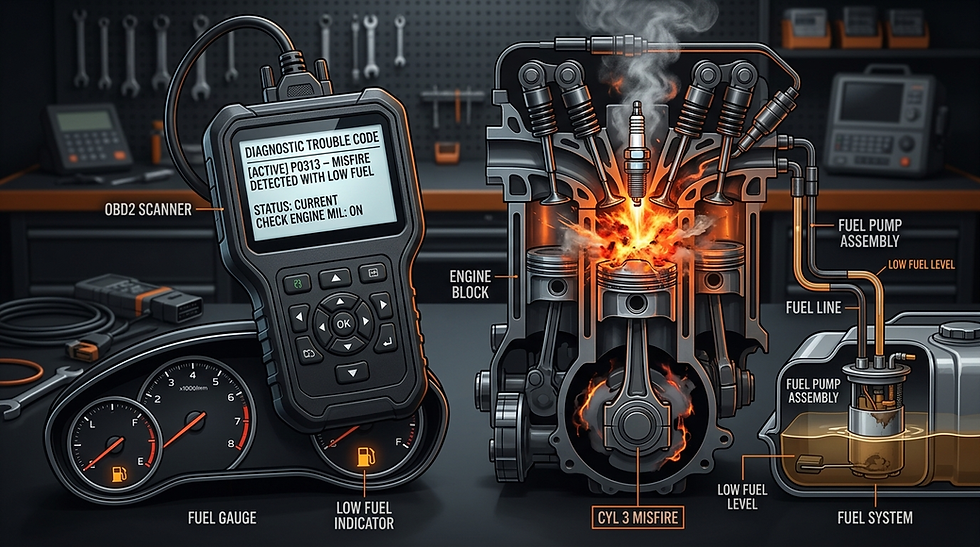
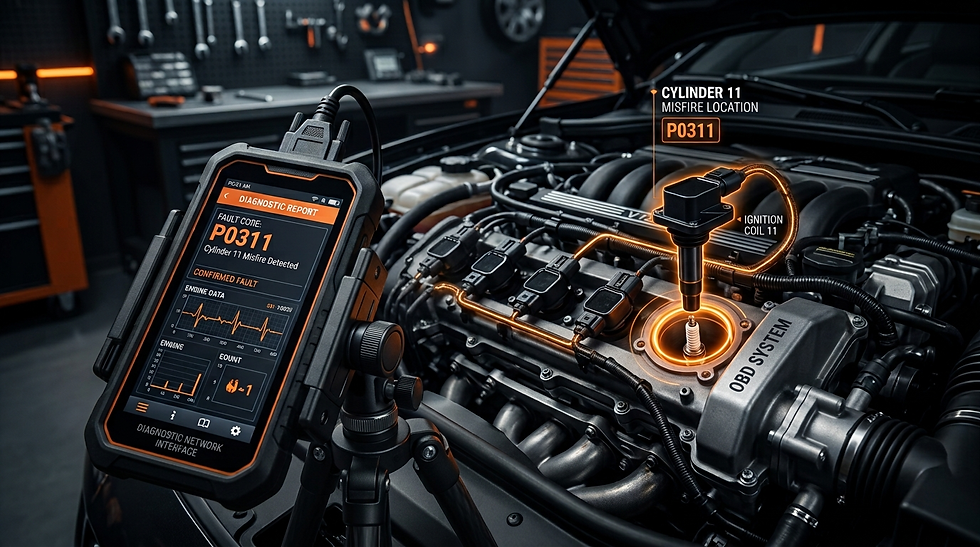
How OBD2 Helps Monitor Engine Performance During Sudden Temperature Changes

Rapid temperature changes can affect sensors, fuel delivery, and engine efficiency. Monitoring these conditions helps prevent performance issues.
OBD2 temperature variation diagnostics help identify abnormal responses to changing temperatures.
Effects of Temperature Changes
Temperature shifts can cause:
Fuel mixture imbalance
Sensor inaccuracies
Increased engine stress
Cooling system instability
How OBD2 Detects Temperature-Related Problems
OBD2 systems monitor coolant temperature, intake air temperature, and fuel trim adjustments.
Unexpected fluctuations may indicate faults.
Symptoms of Temperature Variation Issues
Hard starting
Rough idle
Reduced fuel efficiency
Engine hesitation
Conclusion
OBD2 temperature variation diagnostics help maintain stable engine performance in changing environments. Monitoring improves reliability and efficiency.