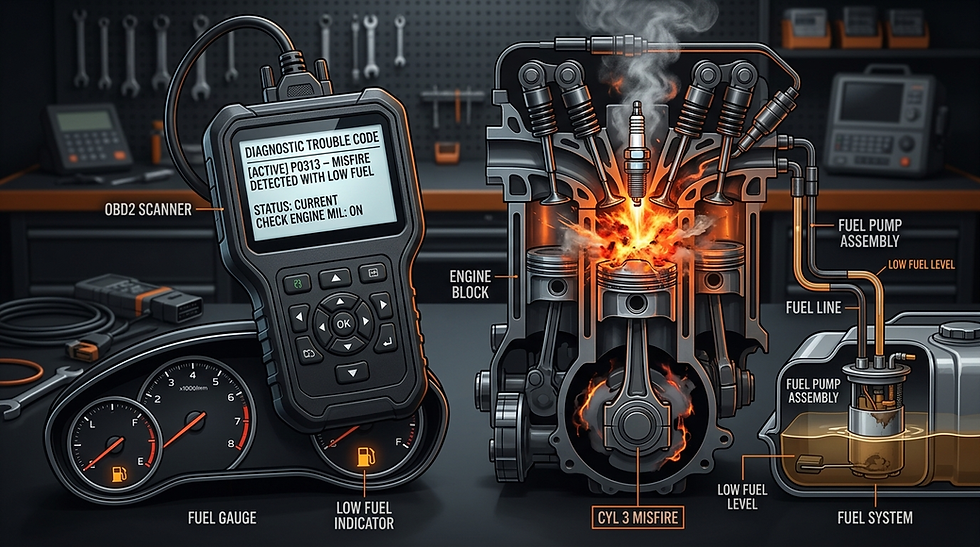
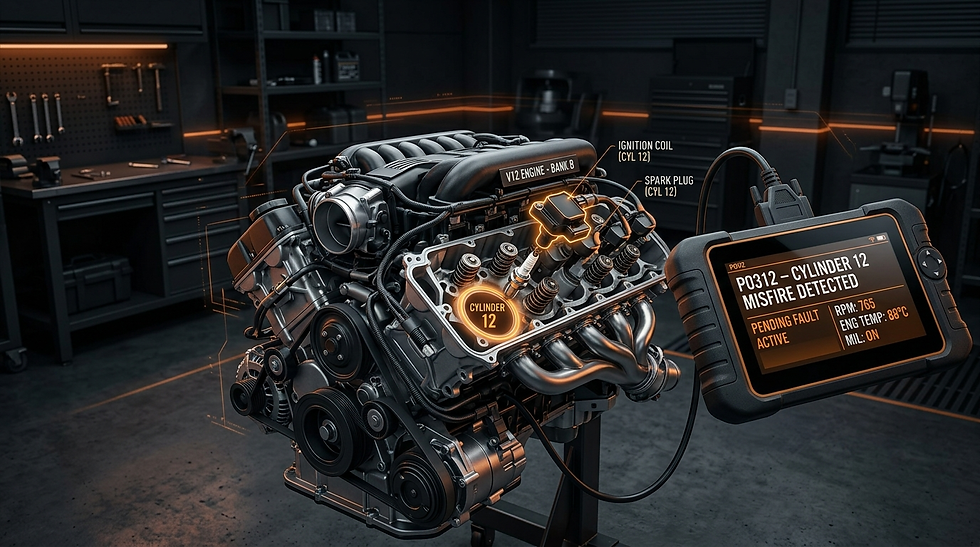
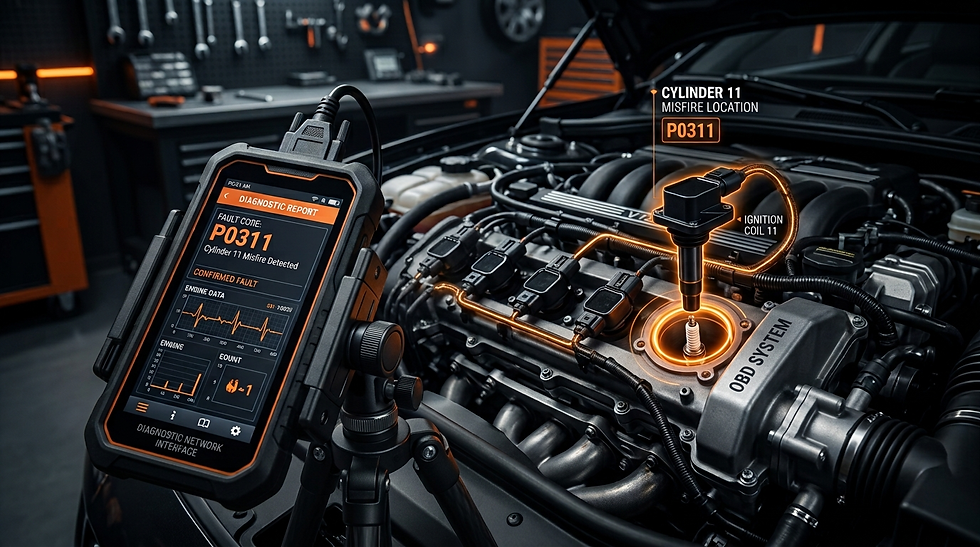
How OBD2 Helps Detect Engine Crankshaft Position Sensor Problems
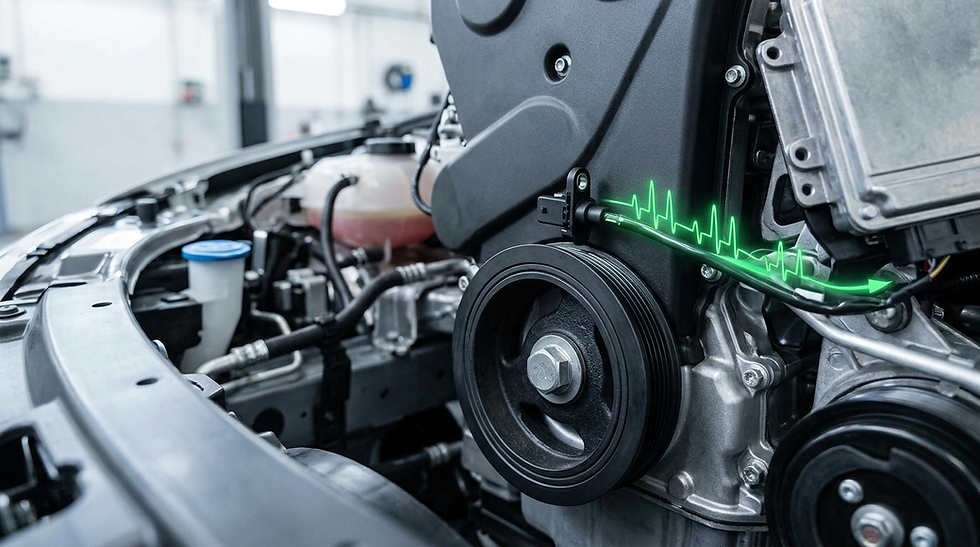
The crankshaft position sensor is one of the most important components in a modern engine.
It monitors the position and speed of the crankshaft so the ECU can manage ignition timing and fuel injection accurately.
OBD2 crankshaft sensor diagnostics help identify sensor failures before they lead to serious drivability problems.
Importance of the Crankshaft Position Sensor
The sensor helps:
Control ignition timing
Synchronize fuel injection
Maintain smooth engine operation
Prevent misfires
Without accurate crankshaft data, the engine may struggle to start or operate correctly.
How OBD2 Detects Crankshaft Sensor Problems
OBD2 systems constantly monitor crankshaft sensor signals and compare them with camshaft timing data.
If signal interruptions or irregular patterns are detected, the system stores fault codes and activates the check engine light.
Symptoms of Crankshaft Sensor Failure
Engine stalling
Hard starting
Rough idle
Sudden loss of power
Engine misfires
Conclusion
OBD2 crankshaft sensor diagnostics help detect timing and synchronization issues early. Timely repairs improve reliability, fuel efficiency, and overall engine performance.