How OBD Diagnostics Help Detect Alternator and Charging System Problems

The charging system plays a vital role in keeping your vehicle running. The alternator generates electricity while the battery stores and supplies power. When charging system problems occur, vehicles may stall, fail to start, or experience electrical malfunctions.
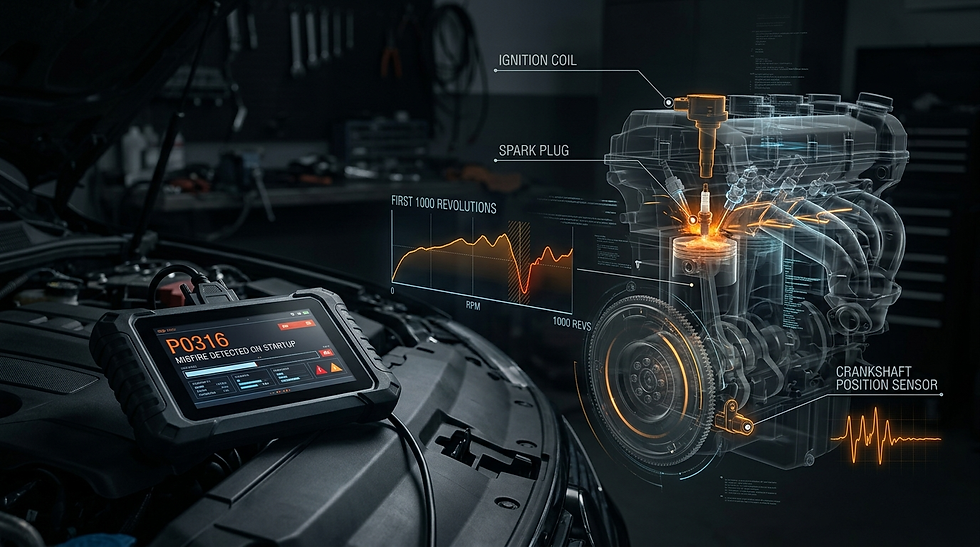
OBD charging system diagnostics help monitor voltage levels and alternator performance to detect faults early.
Why Charging System Monitoring Is Important
Prevents Unexpected Breakdowns
A failing alternator can cause sudden loss of electrical power.
Protects Electronic Components
Stable voltage ensures proper operation of vehicle computers and sensors.
Common Charging System Problems
Weak Alternator Output
Causes battery drain and warning lights.
Battery Not Charging Properly
Results in hard starts or no start.
Voltage Regulator Failure
Leads to overcharging or undercharging.
How OBD Detects Charging System Issues
Live Voltage Monitoring
OBD scanners show real-time battery voltage.
Charging System Fault Codes
Codes indicate alternator or circuit problems.
Electrical Load Analysis
Detects abnormal power consumption.
Benefits of Early Detection
Prevents roadside breakdowns
Extends battery life
Improves electrical reliability
Conclusion
OBD diagnostics help ensure your charging system works properly, preventing costly and inconvenient failures.