How Connected Car Technology is Transforming Driver Safety in 2025

Driver safety has always been a priority in the automotive world. But in 2025, advancements in connected car technology are reshaping the entire landscape. Vehicles equipped with smart sensors, telematics systems, and intelligent software can now prevent accidents, reduce driver distractions, and monitor critical safety parameters in real time.
This article explores how modern connected car technology boosts safety for daily drivers, commercial fleets, and new vehicle owners.
What Is Connected Car Technology?
Connected car technology refers to the ability of vehicles to communicate with internal systems, external networks, cloud platforms, and other vehicles. Using:
Telematics
IoT sensors
GPS tracking
OBD2 data
Artificial intelligence
…connected vehicles provide real-time insights that help prevent collisions, reduce breakdowns, and improve overall driving behavior.
Major Safety Features Enabled by Connected Cars
1. Real-Time Diagnostic Alerts
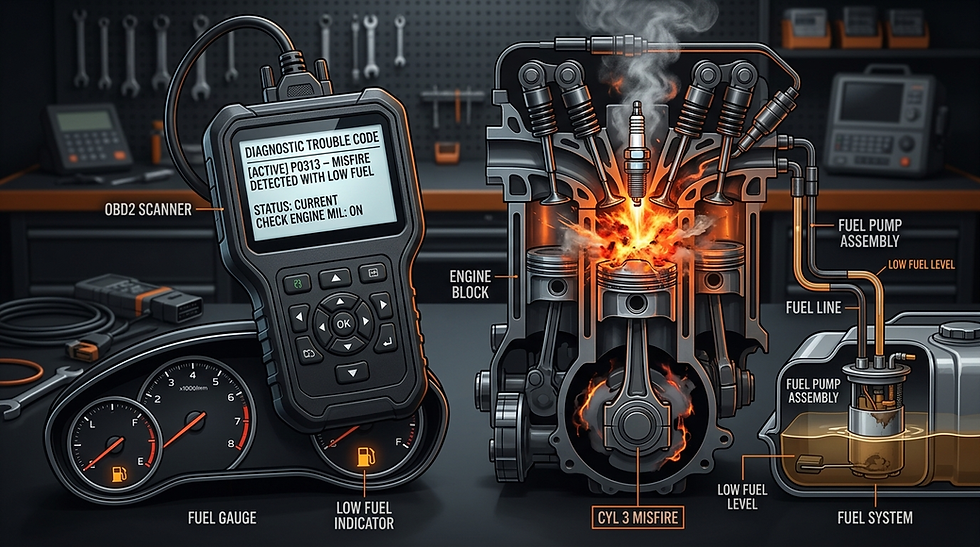
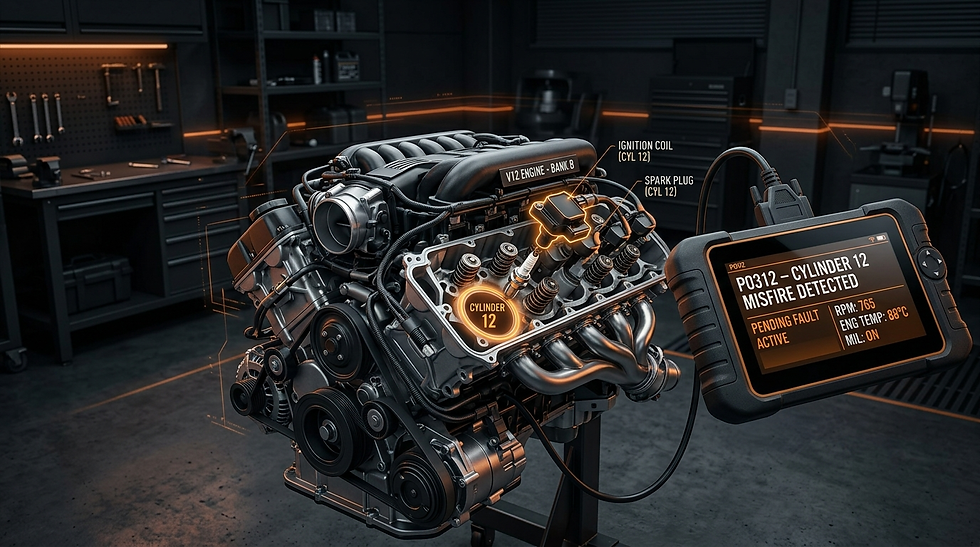
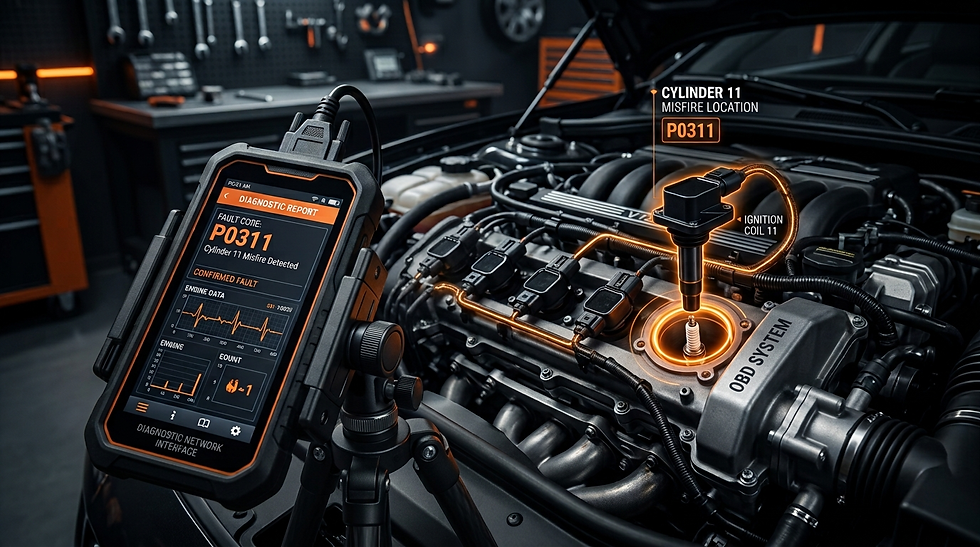
Modern telematics systems constantly monitor engine health, braking systems, battery performance, and temperature levels.Instead of waiting for a dashboard warning light, drivers receive:
Instant notifications
Severity-based warnings
Recommended actions
This helps avoid sudden failures while driving.
2. Driver Behavior Monitoring
Connected cars analyze patterns such as:
Harsh braking
Rapid acceleration
Sharp cornering
Over-speeding
Distracted driving
Drivers receive coaching alerts and scorecards to improve safety habits. Fleet managers use these reports to reduce accidents and insurance costs.
3. Collision Avoidance Through Sensors
Advanced sensors track:
Nearby vehicles
Road obstacles
Pedestrians
Lane markers
With telematics integration, cars provide:
Forward collision warnings
Blind spot alerts
Lane departure warnings
These systems significantly reduce highway and city accidents.
4. Emergency Assistance and Crash Detection
If a crash occurs, telematics can automatically:
Detect impact
Notify emergency contacts
Send location to rescue teams
Provide crash data for analysis
This feature is especially valuable for solo drivers and travelers.
5. Weather & Road Condition Alerts
Connected cars can access cloud-based weather systems and traffic data to warn drivers about:
Slippery roads
Heavy rain
Fog
Ice patches
Traffic jams
Road closures
Proactive alerts help drivers choose safer routes.
Why Connected Safety Matters for Fleets
For fleet companies, safety isn’t optional — it’s essential for cost control and compliance. Connected car technology helps fleets:
Reduce accidents by monitoring risky drivers
Lower insurance claims
Track vehicle health and avoid breakdowns
Improve customer delivery times
Comply with safety regulations
Fleet managers also use route optimization to reduce driver stress and fatigue.
Future of Driver Safety with Connected Technology
The next wave of innovation includes:
Vehicle-to-vehicle (V2V) communication
Autonomous emergency driving
Predictive accident prevention
AI-based driver fatigue detection
Cloud-integrated safety systems
These upgrades will make driving safer than ever before.
Conclusion
Connected car technology is more than a convenience — it’s a life-saving advancement. With intelligent alerts, real-time diagnostics, and predictive analysis, modern vehicles protect drivers like never before. As telematics continues to advance, the road to zero accidents becomes more achievable.