How an OBD2 Scanner Helps Diagnose Car Problems

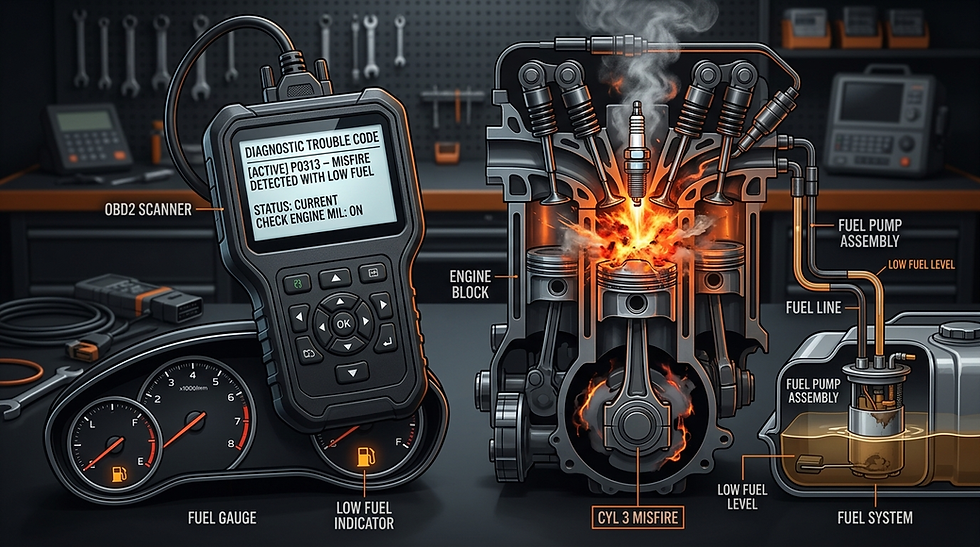
Modern vehicles contain complex electronic systems that control engine performance, fuel delivery, and emissions. When something goes wrong, the vehicle’s computer stores diagnostic information that can be accessed through an OBD2 scanner.
Using OBD2 scanner diagnostics, mechanics and car owners can quickly identify problems without disassembling the engine.
What Is an OBD2 Scanner?
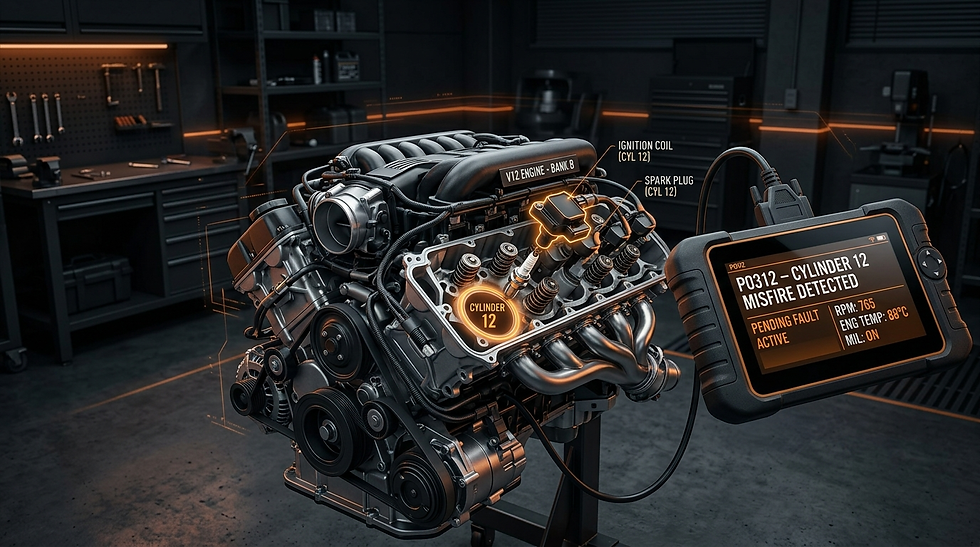
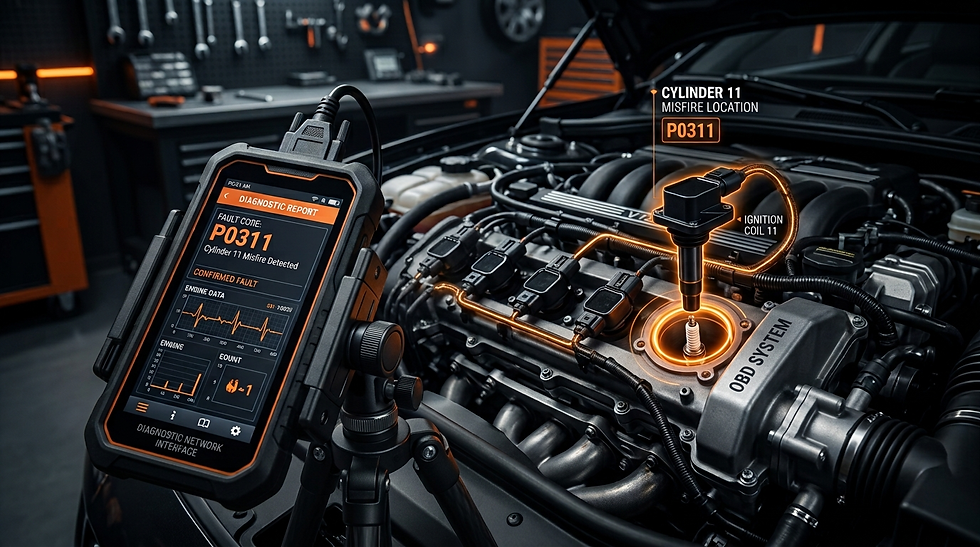
An OBD2 scanner is a diagnostic tool that connects to the vehicle’s OBD port. It communicates with the vehicle’s onboard computer system and retrieves diagnostic trouble codes.
These codes provide valuable information about potential issues in the engine or other systems.
How OBD2 Scanners Work
Once connected to the OBD port, the scanner reads stored diagnostic trouble codes from the vehicle’s computer.
It can also display real-time data such as:
Engine speed
Fuel system status
Engine temperature
Oxygen sensor readings
This data helps identify the cause of vehicle problems.
Benefits of Using an OBD2 Scanner
Using an OBD2 scanner provides several advantages:
Quick problem diagnosis
Reduced repair costs
Early detection of vehicle issues
Improved maintenance planning
Many drivers now use Bluetooth OBD scanners connected to smartphone apps.
Conclusion
OBD2 scanner diagnostics make vehicle troubleshooting faster and more accurate. By providing detailed information about vehicle performance, these tools help drivers maintain their cars more effectively.
Regular scans can prevent small issues from becoming expensive repairs.