Driving Innovation: How Vehicle Data Solutions Are Transforming the Automotive Industry

Updated: Nov 5, 2025

Overview
Vehicle data solutions are transforming the automotive industry by enhancing safety, performance, and user experience through technologies like OBD2, TPMS, and battery testers. These innovations enable manufacturers and consumers to optimize vehicle maintenance, improve diagnostics, and personalize experiences while raising important data privacy and security concerns. The future promises increased connectivity and advancements in autonomous driving, paving the way for a more efficient and sustainable automotive landscape.
Contents
In today's rapidly evolving automotive landscape, vehicle data solutions are redefining the way manufacturers, service providers, and consumers interact with vehicles. The rise of connected cars and the prevalence of advanced telematics systems have paved the way for comprehensive vehicle diagnostics that enhance vehicle performance, safety, and overall user experience. This article explores how these innovations—especially OBD2, TPMS, and Battery Tester technologies—are revolutionizing the automotive industry.
The Role of Vehicle Data Solutions in Modern Automotive
All aspects of vehicle ownership—from safety to maintenance—are increasingly relying on data. Automotive manufacturers are now leveraging data to provide insights that help in improving the longevity and reliability of vehicles. Data solutions play a critical role in:
Optimizing Manufacturing: Automakers are using data analytics to predict trends, leading to proactive adaptations in production.
Enhancing Vehicle Safety: Technologies such as the Tire Pressure Monitoring System (TPMS) mitigate risks by providing real-time data on tire safety.
Streamlining Maintenance Services: Advanced vehicle diagnostics allow for easier identification of issues, reducing repair times.
Improving Customer Experience: Consumers can enjoy smarter features when driving, thanks to enhanced connectivity and feedback.
Understanding OBD2: The Backbone of Vehicle Diagnostics
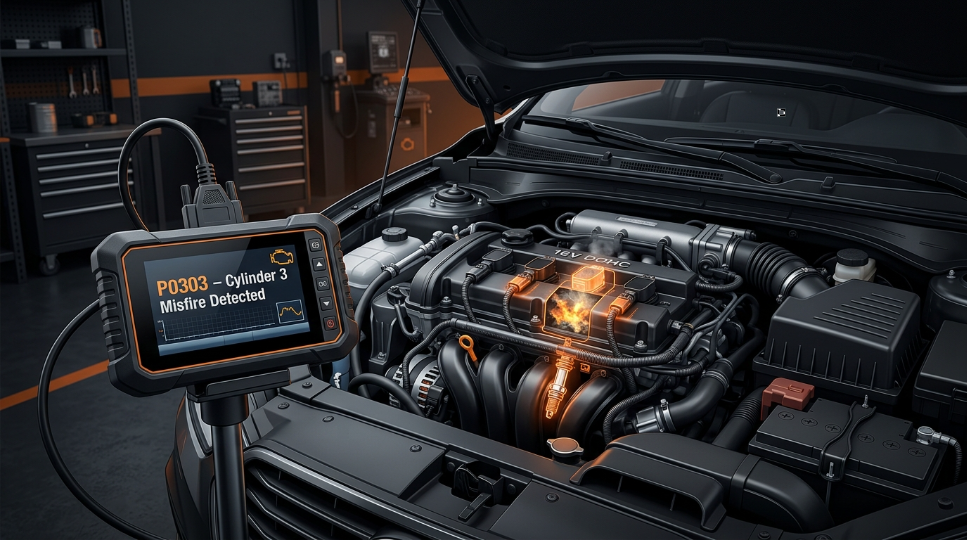
On-Board Diagnostics II (OBD2) is a crucial feature of modern vehicles that allows for a standardized system of diagnostics. Originally designed for emissions testing, OBD2 systems have expanded to include a wide range of vehicle data that can be accessed by mechanics and automotive software alike. Here’s what makes OBD2 vital:
Real-Time Monitoring: OBD2 provides continuous updates on the vehicle's performance and can immediately detect issues.
Accessibility: Mechanics and vehicle owners can easily access OBD2 information without specialized tools, streamlining repairs and maintenance.
Enhanced Emissions Control: The data gathered ensures compliance with environmental standards, benefiting manufacturers and consumers alike.
Informed Decision-Making: The wealth of information provided aids vehicle owners in making educated choices about maintenance and upgrades.
TPMS: Safety through Real-Time Data
The Tire Pressure Monitoring System (TPMS) is another critical component of vehicle data solutions. Designed to monitor tire pressure, TPMS not only improves safety but also enhances the performance of the vehicle. Here’s how TPMS contributes:
Preventing Blowouts: By alerting drivers to low tire pressure, TPMS helps prevent dangerous blowouts.
Improving Fuel Efficiency: Maintaining proper tire pressure leads to better gas mileage, saving money at the pump.
Extending Tire Life: Regular monitoring extends tire service life, promoting sustainability.
Enhanced User Experience: Drivers receive immediate feedback, ensuring they are always informed about their vehicle’s condition.
Battery Tester: Not Just About Voltage
When it comes to vehicle maintenance, the battery often gets overlooked, but with modern battery testers, vehicle data solutions are making it easier to monitor battery health. Here’s why incorporating battery testers into vehicle data solutions is essential:
Diagnostics Beyond Voltage: Advanced battery testers assess more than just voltage; they evaluate overall health and strength.
Preventing Breakdowns: Regular battery testing can prevent unexpected breakdowns, ensuring that vehicles are always ready to go.
Cost Efficiency: By identifying battery issues early, vehicle owners can avoid more extensive and costly repairs.
Environmental Awareness: Prolonging battery life reduces waste, contributing to a more sustainable automotive industry.
OEM and the Power of Data Analytics
Original Equipment Manufacturers (OEM) play an important role in harnessing vehicle data solutions to enhance products. OEMs are increasingly relying on data analytics to:
Design Better Vehicles: By analyzing data from existing models, manufacturers can identify areas of improvement for new designs.
Create Personalized Experiences: OEMs can utilize consumer data to develop features that tailor to user preferences.
Predictive Maintenance: Using data from vehicles on the road, OEMs can advise owners on maintenance schedules, improving reliability.
Streamline Recall Processes: Data analytics helps OEMs identify defective components quickly, reducing the time and cost of recalls.
Data Privacy and Security Concerns
As with any technology that relies on data collection, vehicle data solutions also raise questions regarding user privacy and security. It’s crucial for the automotive industry to address these concerns by implementing robust data protection measures, including:
Encryption: Ensuring that data transmitted from vehicles is encrypted to prevent unauthorized access.
Consumer Consent: Clearly communicating to consumers about data collection practices and obtaining consent.
Robust Cybersecurity: Investing in cybersecurity solutions to protect against potential breaches.
Transparency: Being open about how data is collected, stored, and used can build consumer trust.
Future Directions: What Lies Ahead for Vehicle Data Solutions?
The automotive industry is on the precipice of an exciting future, thanks to vehicle data solutions. Emerging technologies such as machine learning and artificial intelligence are set to further enhance vehicle performance and safety. A few noteworthy trends include:
Increased Connectivity: Future vehicles will likely be even more interconnected, allowing for seamless integration with smart devices.
Enhanced Autonomous Features: As vehicle data solutions improve, we can expect advancements in autonomous driving capabilities.
Green Technologies: Data analytics will help manufacturers develop environmentally friendly technologies, including electric vehicles.
Personalized Maintenance Services: The future may hold hyper-personalized services driven by user data, making car ownership easier and more efficient.
Join the Revolution!
The automotive industry's transformation through vehicle data solutions is truly remarkable. Innovations such as OBD2, TPMS, and battery testers are not just changing the way we interact with our cars; they are shaping the future of automotive safety, efficiency, and innovation. As we embrace these advancements, consumers and manufacturers alike must navigate the balance of data utilization and privacy, ensuring that technological advancements serve both parties.
As a vehicle owner, staying informed about these trends can empower you to make smarter decisions regarding your vehicle maintenance and safety. So buckle up, enjoy the ride, and embrace the wealth of data available at your fingertips!
FAQs
What are vehicle data solutions and why are they important in the automotive industry?
Vehicle data solutions are technologies that leverage data from vehicles to improve performance, safety, and user experience. They are important as they enable manufacturers to optimize production, enhance vehicle safety, streamline maintenance, and improve customer experience.
What role does OBD2 play in vehicle diagnostics?
OBD2, or On-Board Diagnostics II, allows for standardized vehicle diagnostics by providing real-time monitoring of vehicle performance, accessibility of information for repairs, enhanced emissions control, and informed decision-making for vehicle owners.
How does the Tire Pressure Monitoring System (TPMS) enhance vehicle safety?
TPMS enhances vehicle safety by alerting drivers to low tire pressure, which helps prevent blowouts, improves fuel efficiency, extends tire life, and provides immediate feedback about tire condition.
What benefits do battery testers provide in vehicle maintenance?
Modern battery testers go beyond voltage checks to assess overall battery health. They help prevent breakdowns, promote cost efficiency by identifying issues early, and contribute to environmental sustainability by prolonging battery life.
How does data privacy factor into the use of vehicle data solutions?
Data privacy is a critical concern in vehicle data solutions, requiring robust protection measures such as encryption, consumer consent for data collection, cybersecurity investments, and transparency about data practices to build consumer trust.