OBD-II Port
The standardized diagnostic interface used to connect scan tools to vehicle ECUs.
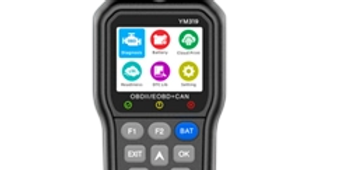
The OBD-II port, introduced globally in the late 1990s, allows access to engine and emissions data through standardized protocols. It's typically located beneath the dashboard. Mechanics use it to retrieve trouble codes, monitor real-time data, and reset systems. Maintaining a clean and undamaged port ensures reliable communication with diagnostic devices. OBD-II technology has revolutionized automotive diagnostics, enabling faster repairs and better emission compliance.
Related Diagnostic Guide
This topic is part of CHEPQ’s system-level diagnostic framework.
For a broader understanding of how this component is analyzed in real-world diagnostics, refer to the following guide:
Applying This Knowledge in Practice
The diagnostic principles discussed above are commonly applied in real-world vehicle diagnostics. To put this knowledge into practice, explore professional automotive diagnostic tools designed to support system testing, fault analysis, and troubleshooting across modern vehicles.