Catalytic Converter
An exhaust component that reduces harmful emissions through chemical reactions.
The catalytic converter uses platinum, palladium, and rhodium to convert toxic gases like CO, HC, and NOx into less harmful emissions. It operates at high temperatures and relies on correct air-fuel mixtures for efficiency. Clogging or contamination reduces performance and may trigger DTC P0420. Testing involves measuring backpressure or using thermal imaging. Proper maintenance includes fixing misfires and using quality fuel. A healthy converter ensures compliance with emission laws and optimal engine breathing.
Related Diagnostic Guide
This topic is part of CHEPQ’s system-level diagnostic framework.
For a broader understanding of how this component is analyzed in real-world diagnostics, refer to the following guide:
Applying This Knowledge in Practice
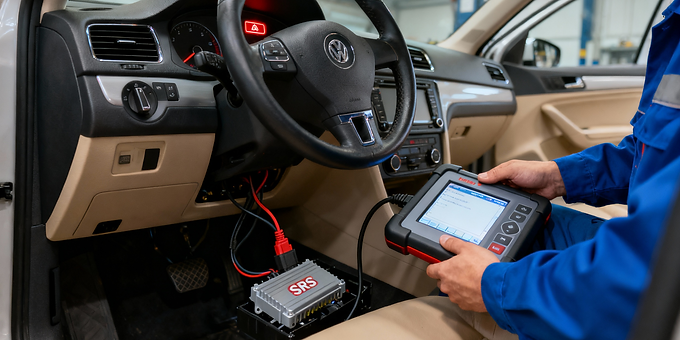
The diagnostic principles discussed above are commonly applied in real-world vehicle diagnostics. To put this knowledge into practice, explore professional automotive diagnostic tools designed to support system testing, fault analysis, and troubleshooting across modern vehicles.