Brake Rotor
A metal disc that provides a surface for the brake pads to clamp against.
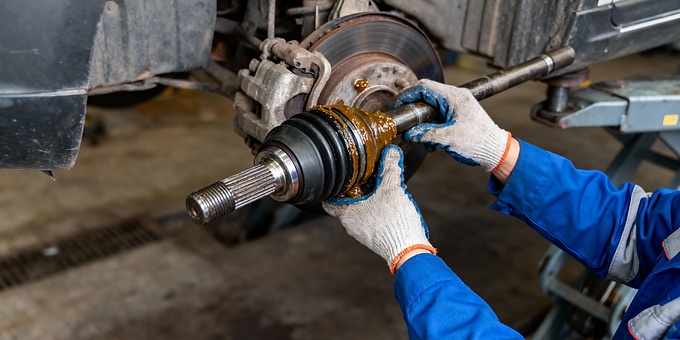
The brake rotor, or disc, rotates with the wheel and converts kinetic energy into heat during braking. Made from cast iron or carbon-ceramic materials, it endures extreme friction and temperature changes. Warped or grooved rotors cause vibration and reduced braking efficiency. Machining or replacing rotors restores smooth operation. Slotted and drilled rotors improve cooling and debris removal. Regular inspection ensures consistent braking and longer pad life. Proper rotor maintenance enhances stopping performance and driving safety.
Related Diagnostic Guide
This topic is part of CHEPQ’s system-level diagnostic framework.
For a broader understanding of how this component is analyzed in real-world diagnostics, refer to the following guide:
Applying This Knowledge in Practice
The diagnostic principles discussed above are commonly applied in real-world vehicle diagnostics. To put this knowledge into practice, explore professional automotive diagnostic tools designed to support system testing, fault analysis, and troubleshooting across modern vehicles.