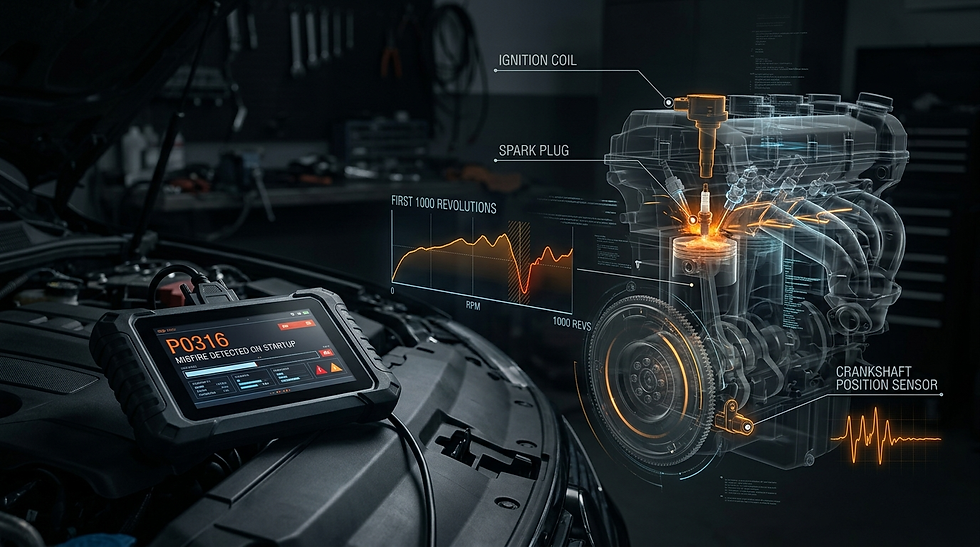
Using OBD Diagnostic to Identify Cooling Fan Failures

The cooling fan plays a critical role in maintaining proper engine temperature. It helps remove excess heat from the radiator and prevents overheating. If the cooling fan fails, engine temperature can rise quickly, leading to serious damage.
OBD cooling fan diagnostics help detect failures early.
Importance of Cooling Fans
Cooling fans support the radiator by maintaining airflow. This is especially important:
During traffic
At low speeds
In hot weather
Without proper cooling, engines overheat.
Overheating damages engine components.
Common Causes of Cooling Fan Failure
Electrical Problems
Damaged wiring interrupts fan operation.
Fan Motor Failure
Motors wear out over time.
Faulty Temperature Sensors
Incorrect temperature readings prevent fan activation.
Control Module Issues
Electronic control problems prevent proper operation.
How OBD Diagnostics Help
OBD scanners monitor:
Engine temperature
Fan activation timing
Electrical signals
If the fan fails to operate correctly, diagnostic codes appear.
This allows fast identification of the problem.
Additional Benefits
Prevent Engine Damage
Early repair prevents overheating.
Improve Reliability
Proper cooling ensures stable performance.
Reduce Repair Costs
Preventive maintenance saves money.
Conclusion
OBD cooling fan diagnostics are essential for protecting engines from overheating and serious damage. Cooling system failures often begin with small electrical or sensor issues that can be detected early using OBD tools.
By monitoring cooling fan performance regularly, vehicle owners can ensure proper engine temperature, improve reliability, and avoid expensive repairs.
OBD diagnostics provide a simple and effective way to maintain engine safety and extend vehicle lifespan.