Unlocking Efficiency: Key Features to Look for in Telematics Devices

Updated: Nov 7, 2025

Overview
Telematics devices revolutionize vehicle management by providing crucial data on performance, location, and diagnostics. Key features to consider when choosing a device include advanced vehicle diagnostics, GPS tracking, TPMS integration, battery management, OEM compatibility, user-friendly interface, data security, customizable alerts, customer support, and data analytics. Focusing on these attributes will help you select the right telematics solution for enhanced vehicle safety and efficiency.
Contents
Telematics devices have transformed the world of vehicle management, offering insights that were once difficult to obtain. With the integration of OBD2 technology, businesses and individual users alike can take advantage of comprehensive data that enhances vehicle performance and safety. If you're in the market for a telematics device, understanding the key features you should look for can significantly impact your purchasing decision. In this article, we'll explore the essential elements to consider when choosing a telematics device, covering everything from Vehicle Diagnostics to Battery Tester functionalities and beyond.
Understanding Telematics Technology
Before diving into the key features, it's essential to understand what telematics technology is. In essence, telematics combines telecommunications and monitoring systems to provide real-time data about a vehicle's performance, location, and status. This information can be beneficial for fleet management, personal vehicle tracking, and even for providing insights into potential issues before they become costly problems.
1. Advanced Vehicle Diagnostics
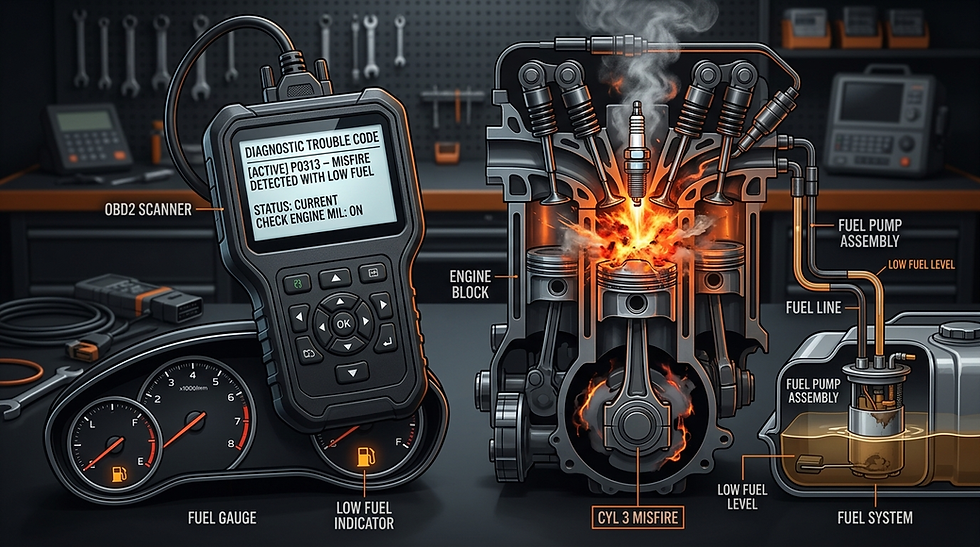
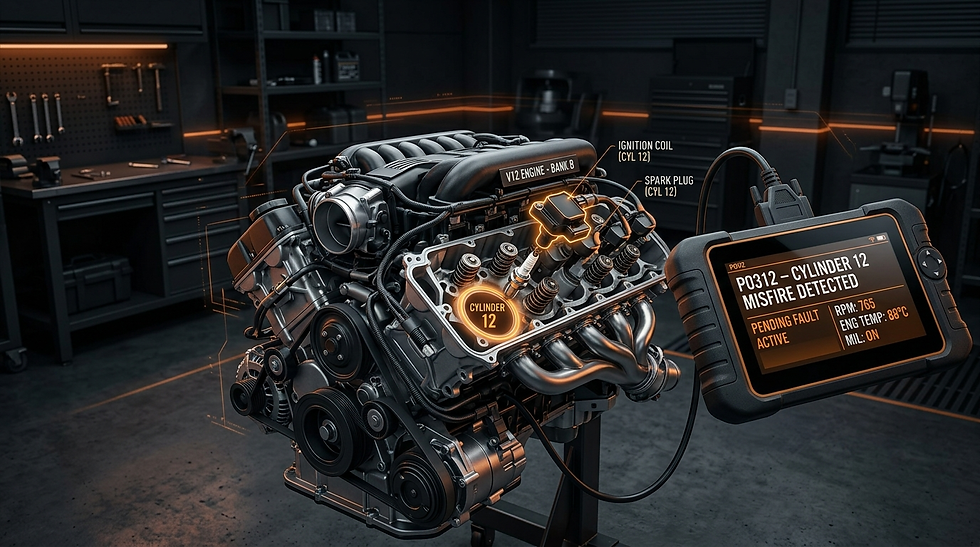
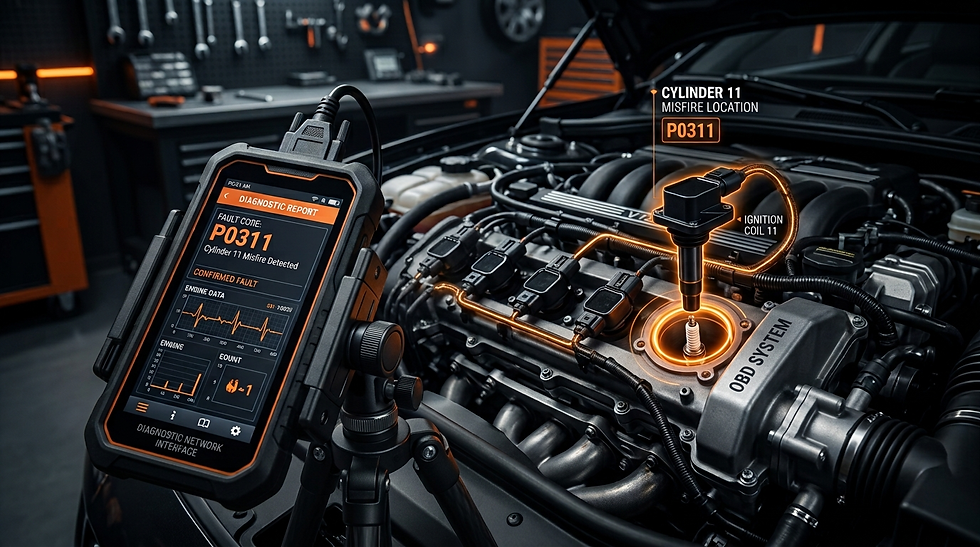
One of the most critical features of modern telematics devices is their ability to provide advanced Vehicle Diagnostics. This includes monitoring engine performance, fuel consumption, and emission levels. A reliable telematics device should connect directly to your vehicle's OBD2 port, allowing it to read diagnostic trouble codes (DTCs) accurately. This feature not only assists in identifying issues more quickly but also aids in planning preventive maintenance, potentially saving you significant costs down the road.
2. GPS Tracking and Real-Time Location
Another indispensable feature is the GPS tracking capability. Real-time location data allows users to monitor their vehicles' movements at any time. This is particularly beneficial for businesses that manage a fleet of vehicles. With GPS tracking, you can optimize routes, reduce idle time, and enhance overall productivity. Furthermore, this feature can also enable users to recover stolen vehicles quickly.
3. Integration with TPMS
Modern telematics devices often come equipped with Tire Pressure Monitoring Systems (TPMS). Maintaining correct tire pressure is crucial not just for safety but also for fuel efficiency. Integrating TPMS into your telematics device can help in monitoring tire pressures in real time, providing alerts when levels are too low, and helping to prevent potential blowouts. This feature can contribute greatly to overall vehicle safety and performance.
4. Battery Management with a Built-in Battery Tester
Battery management is another critical concern, especially for electric vehicles or those with multiple electronic components. A telematics device with a built-in Battery Tester can provide invaluable insights into your vehicle's battery health. Regular monitoring can help identify potential issues before they disrupt your ability to start your vehicle, ensuring smooth operation at all times.
5. OEM Compatibility
When selecting a telematics device, considering its compatibility with your vehicle's original equipment manufacturer (OEM) specifications is essential. Ensuring that the device works seamlessly with the vehicle's systems can lead to better performance and data accuracy. It’s advisable to choose devices that are designed with OEM compatibility in mind, offering peace of mind and reliability.
6. Ease of Use and User Interface
Another essential factor is the user interface of the telematics device. A complicated or poorly designed interface can make retrieving vital information cumbersome. Choose a device that offers a straightforward and user-friendly interface, allowing you to access important data quickly and efficiently. Features like mobile app integration can further enhance usability, putting vehicle insights right at your fingertips.
7. Data Security and Privacy Features
As telematics devices collect sensitive data regarding your vehicle's location and performance, data security should be a top priority. Ensure the telematics provider has robust encryption protocols to protect your data from unauthorized access. Furthermore, look for features that allow you to control what data is shared and with whom, aligning with your privacy preferences.
8. Customizable Alerts and Notifications
Customizable alerts can enhance the functionality of telematics devices significantly. Look for devices that allow you to set parameters for notifications—such as when the vehicle enters or exits a designated area, when there is a fault detected, or when tire pressures are low. This feature can provide peace of mind, particularly for fleet managers monitoring multiple vehicles at once.
9. Support and Customer Service
When investing in a telematics device, consider the level of support and customer service provided by the manufacturer. Having access to a responsive customer service team can be key in resolving any issues that arise with the device or understanding how to utilize its features fully. Check for reviews and testimonials that give insight into the company's customer service quality before making your decision.
10. Data Analytics and Reporting Features
Finally, a sophisticated telematics device should offer data analytics and reporting features. This capability allows users to analyze the collected data for trends and insights. By providing detailed reports, you can make more informed decisions regarding vehicle maintenance, fuel usage, and overall efficiency. The better your ability to interpret and act on the data, the greater the efficiency gains you are likely to experience.
Making the Right Choice
Choosing the right telematics device can seem daunting given the multitude of options available, each boasting unique features. By focusing on the key attributes discussed, you can ensure that the device you choose meets your specific needs, whether for personal use, fleet management, or enhancing overall vehicle safety and performance.
Investing in telematics technology that provides advanced Vehicle Diagnostics, integrates TPMS, and ensures compatibility with OEM specifications will set you on the right path. Moreover, features such as customizable alerts, battery management through a Battery Tester, and effective data analytics can take your vehicle monitoring to the next level.
Your Journey Begins Here
The dynamics of vehicle management are changing rapidly with advancements in telematics technology. By keeping these key features in mind, you can select a device that enhances your driving experience and maximizes vehicle safety and performance. Dive into the world of telematics, and you will unlock a treasure trove of benefits designed to keep your vehicle functioning at its best. Start your journey towards smarter vehicle management today!
FAQs
What are telematics devices and how do they help with vehicle management?
Telematics devices combine telecommunications and monitoring systems to provide real-time data about a vehicle's performance, location, and status, which is beneficial for fleet management and personal vehicle tracking.
What key features should I look for in a telematics device?
Key features to consider include advanced vehicle diagnostics, GPS tracking and real-time location, integration with tire pressure monitoring systems (TPMS), battery management with a built-in battery tester, and OEM compatibility.
Why is GPS tracking important in telematics devices?
GPS tracking provides real-time location data, allowing users to monitor vehicle movements, optimize routes, reduce idle time, and recover stolen vehicles.
How does a built-in battery tester enhance the functionality of a telematics device?
A built-in battery tester monitors battery health and can identify potential issues before they disrupt vehicle operation, ensuring reliable starts.
What role does data security play in telematics devices?
Data security is crucial in telematics as these devices collect sensitive information; robust encryption protocols and privacy controls help protect data from unauthorized access.