Understanding OBD2 Diagnostic Trouble Codes

When a vehicle detects a malfunction, it stores a code in the onboard computer system. These codes are known as OBD2 diagnostic trouble codes (DTCs).
Understanding these codes helps mechanics and car owners diagnose problems efficiently.
Structure of OBD2 Trouble Codes
Each diagnostic code consists of five characters. The first letter indicates the system affected:
P – Powertrain (engine and transmission)
B – Body systems
C – Chassis systems
U – Network communication
The remaining numbers provide specific details about the malfunction.
Why Trouble Codes Are Important
Diagnostic trouble codes help technicians quickly identify the area where the problem occurred.
For example:
P0300 – Random engine misfire
P0420 – Catalytic converter efficiency issue
These codes guide technicians during the repair process.
Using OBD2 Scanners to Read Codes
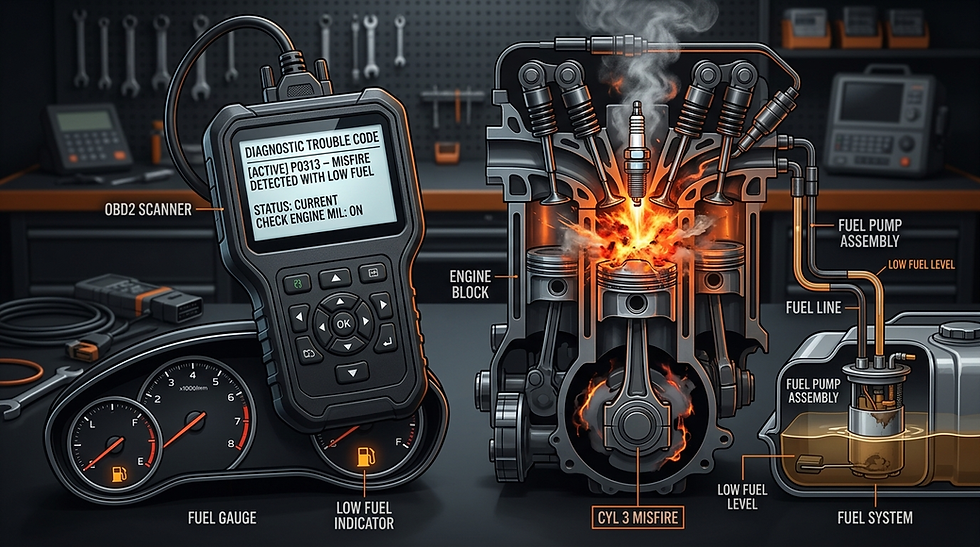
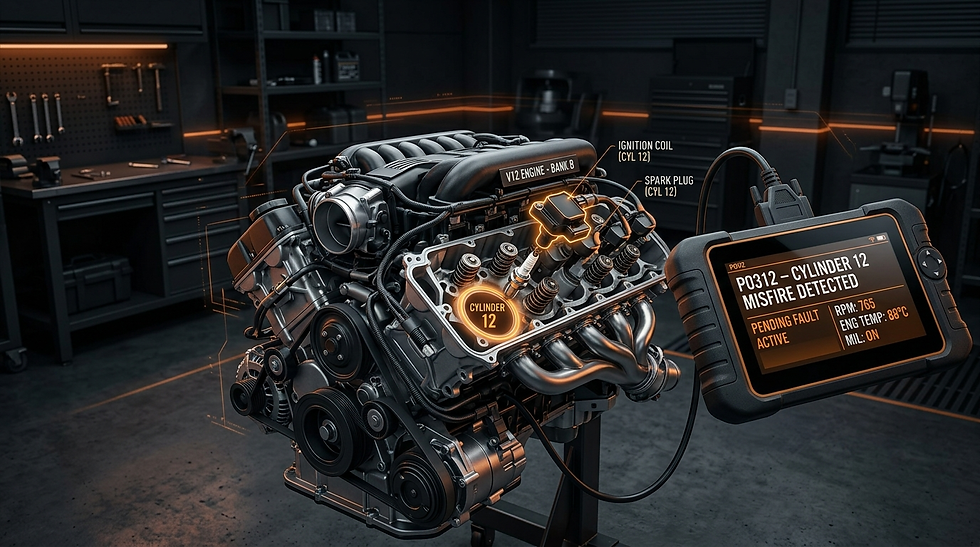
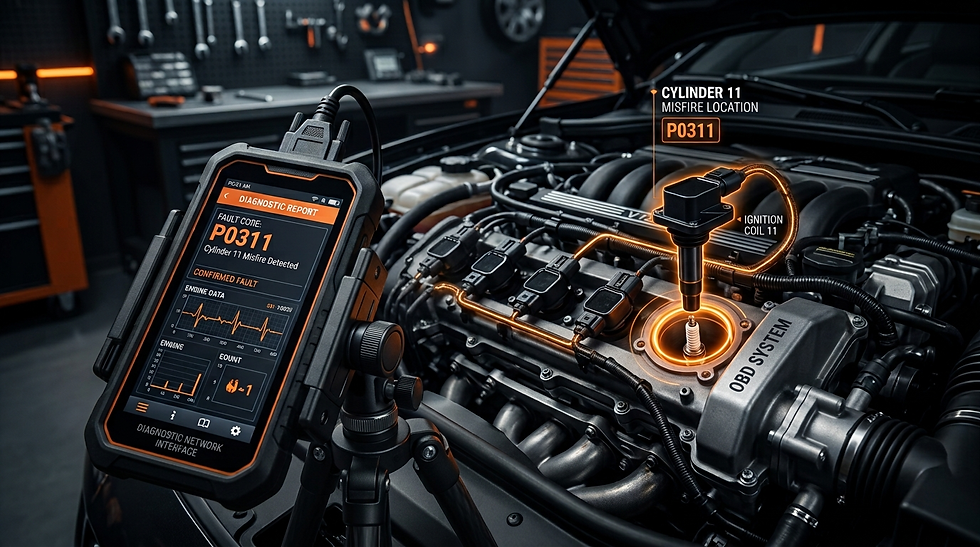
To read diagnostic trouble codes, users must connect an OBD2 scanner to the vehicle’s diagnostic port.
The scanner retrieves stored codes and displays them along with descriptions.
Conclusion
OBD2 diagnostic trouble codes simplify vehicle troubleshooting by providing detailed information about system malfunctions.
Understanding these codes helps drivers and mechanics resolve problems quickly and maintain vehicle reliability.