Top 5 Mistakes Drivers Make That OBD2 Diagnostics Can Prevent

Even experienced drivers can make mistakes that silently damage their vehicles. Many of these issues go unnoticed until the check engine light comes on—or worse, until a major repair is needed.
Modern OBD2 diagnostic tools, like CHEPQ scanners, help prevent costly errors by monitoring vehicle systems in real time and providing actionable insights.
1. Ignoring Warning Lights
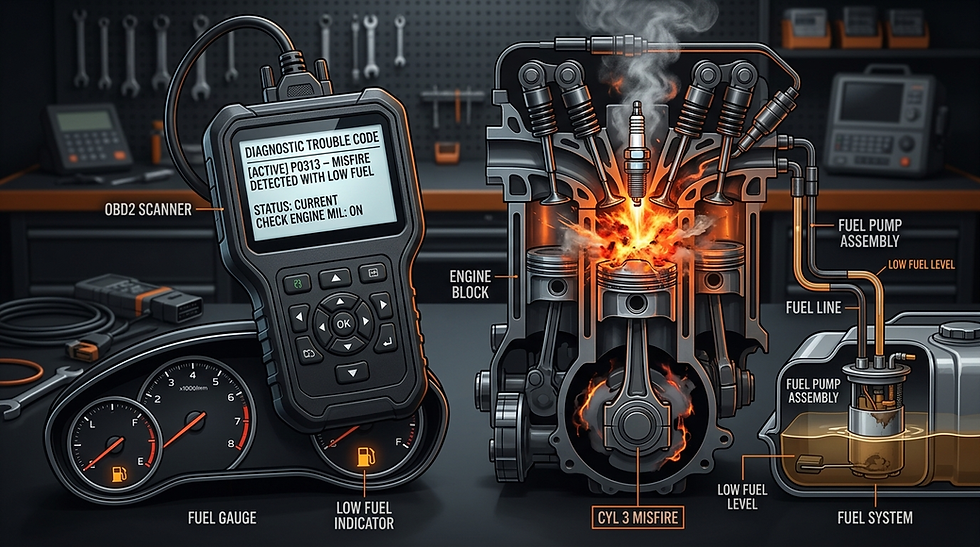
Many drivers ignore the check engine or other dashboard warnings. OBD2 tools:
Detect issues immediately
Provide detailed fault explanations
Suggest corrective actions
Early detection prevents small problems from escalating into costly repairs.
2. Delayed Oil and Fluid Changes
Old or low fluids can cause engine wear or component failure. OBD2 diagnostics monitor:
Oil life and quality
Coolant temperature
Transmission fluid performance
Timely alerts keep the engine running efficiently and extend lifespan.
3. Poor Battery Maintenance
A weak or dying battery can cause electrical issues. OBD2 scanners:
Track voltage and health
Alert for charging or alternator problems
Prevent unexpected breakdowns
CHEPQ tools make battery management easy and proactive.
4. Neglecting Emission-Related Issues
Emission problems increase pollution and reduce fuel efficiency. OBD2 diagnostics detect:
Oxygen sensor failures
Catalytic converter issues
Evaporative system leaks
Correcting them saves money and helps meet environmental compliance.
5. Ignoring Driver Behavior
Harsh braking, sudden acceleration, or long idling can damage the vehicle over time. OBD2 tools track:
Driver behavior patterns
Fuel efficiency impacts
Engine stress metrics
Fleet managers and conscientious drivers can adjust habits and reduce wear.
Conclusion
Most vehicle problems begin silently and worsen due to small mistakes. Modern OBD2 diagnostics prevent costly repairs, improve fuel efficiency, and enhance vehicle safety. CHEPQ’s smart tools equip drivers and fleets to avoid these common errors and keep their vehicles running optimally.