The Transformative Power of Telematics on Insurance Rates

Updated: Nov 11, 2025
Overview
Telematics is transforming the insurance industry by allowing insurers to assess risk and set premiums based on real driving data rather than demographics. This technology enables usage-based insurance, monitors driving behavior, and provides vehicle diagnostics, leading to potential savings for safe drivers. However, concerns about privacy, technology dependence, and implementation costs persist. As telematics becomes more integrated, both consumers and insurers can benefit from safer driving and optimized insurance rates.
Contents
Telematics is rapidly revolutionizing various sectors, and one of the most notable impacts is on the insurance industry. This technology, often associated with vehicle diagnostics, has the potential to reshape how insurance companies assess risk and determine premium rates. As technology integrates into our everyday lives, understanding the implications of telematics, especially in the realm of automotive insurance, becomes imperative for consumers and providers alike.
What is Telematics?
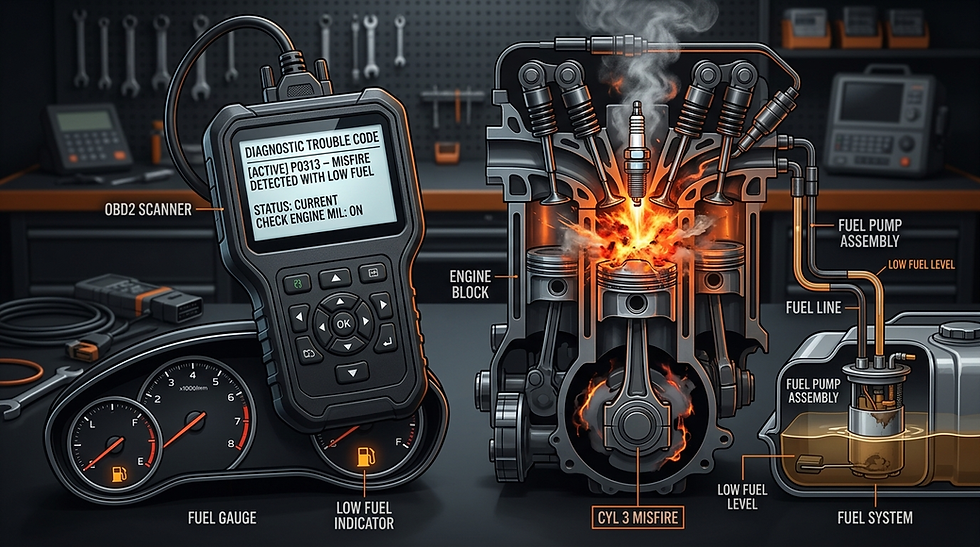
Telematics refers to the use of telecommunications and monitoring systems to collect and analyze data from vehicles. This system can include a range of technologies, from the OBD2 interface—familiar to those who have utilized Vehicle Diagnostics—to advanced GPS tracking. Through telematics, insurance companies gain insights into driving behavior, vehicle performance, and overall road safety, enabling them to tailor their insurance services effectively.
How Telematics Influences Insurance Rates
The incorporation of telematics into insurance models allows insurance providers to evaluate risk based on actual driving data rather than relying on traditional demographic factors. Here's how it works:
Driving Behavior Monitoring: Telemetry devices can track key metrics including speed, acceleration, braking habits, and the time of day when driving occurs. Safer driving behaviors typically correlate with lower accident rates, which can lead to reduced premiums.
Usage-Based Insurance (UBI): UBI policies utilize telematics data to charge drivers based on the actual miles driven. This not only rewards those who drive less but also emphasizes safety, leading to potential decreases in insurance costs.
Enhanced Risk Assessment: With real-time data, insurers can analyze risk profiles with greater accuracy. For example, frequent hard braking could indicate aggressive driving, prompting higher premiums based on increased risk.
Immediate Feedback: Many telematics systems provide feedback directly to drivers, allowing them to improve driving habits and, subsequently, their insurance rates.
The Role of Vehicle Diagnostics
In addition to driving behaviors, telematics can extend to Vehicle Diagnostics that provide critical insights into the condition of a vehicle. Maintaining proper vehicle health plays a pivotal role in minimizing accidents, and this is where diagnostic tools like Battery Testers and sensors for Tire Pressure Monitoring Systems (TPMS) come into play.
When vehicles are continuously monitored for diagnostics, insurers can offer discounts or tailored coverage based on the reliability and maintenance of the vehicle. For instance, if a car's diagnostics indicate a history of proper maintenance, it may lead to more favorable insurance terms. Conversely, a vehicle that consistently demonstrates warning signals may attract higher rates.
Benefits of Telematics for Consumers
The ramifications of telematics on insurance rates are not solely beneficial for insurers; consumers can also experience various advantages:
Financial Savings: Safe drivers who embrace telematics can enjoy significant reductions in their insurance premiums, particularly under usage-based plans.
Proactive Maintenance: With Vehicle Diagnostics tools reporting real-time issues, consumers are empowered to address maintenance needs before they escalate into costly repairs, leading to safer driving experiences.
Increased Transparency: Insurers leveraging telematics offer more transparency regarding rate calculations, fostering trust between companies and consumers.
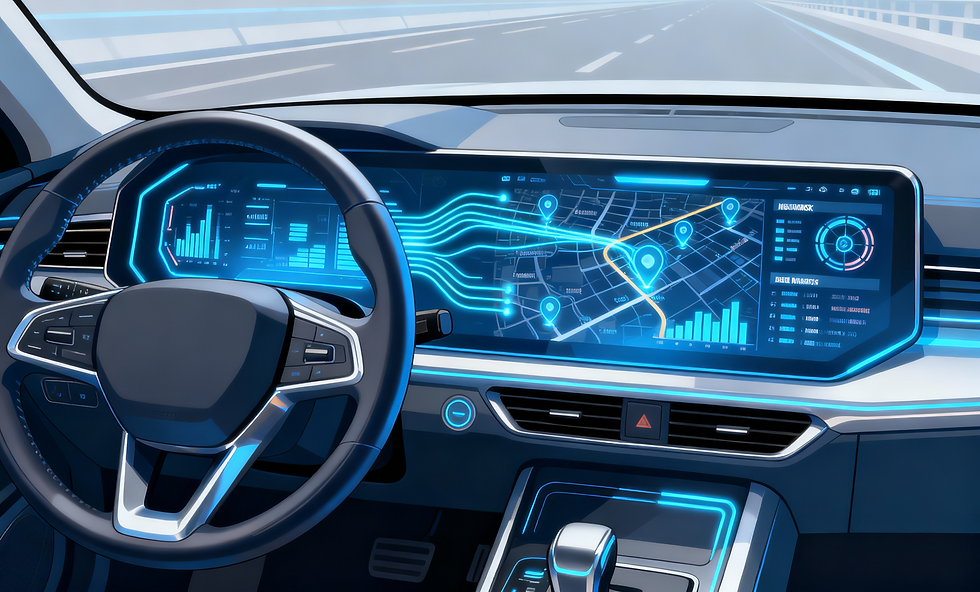
Convenience and Control: Digital interfaces typically accompany telematics systems, connecting drivers with their vehicle's data in real-time, allowing for more informed decisions.
Challenges and Concerns
Despite the clear benefits, the implementation of telematics technology in insurance also presents challenges that consumers should consider:
Privacy Issues: The collection of driving data raises legitimate concerns regarding privacy. Consumers may feel uncomfortable with constant tracking and monitoring of their driving habits.
Technology Dependence: As telematics becomes a standard, a reliance on technology could potentially expose consumers to issues arising from data breaches or technical failures.
Cost of Implementation: Some consumers may find the initial setup of devices a hurdle, especially if they require additional components to utilize telematics technology effectively.
OEM Technologies and Telemetry
Many Original Equipment Manufacturers (OEM) are integrating telematics into vehicles right from the factory, providing advanced features straight out of the box. This factory-installed technology often includes various sensors that not only enhance the driving experience but also optimize the effectiveness of insurance assessments.
By incorporating OEM’s telemetry capabilities, consumers can access rich datasets that help insurers price premiums more accurately. This integration facilitates comprehensive vehicle diagnostics and performance metrics that ensure a well-rounded view of the vehicle’s risk profile.
The Future of Telematics in Insurance
The future of insurance seems to be steering towards increased telematics integration. The benefits carry significant potential to influence the way insurance rates are calculated, creating opportunities for drivers who exhibit safe driving habits. Trends indicate that by embracing telematics, both insurers and consumers can engage in a mutually beneficial relationship, leading to safer roads and optimized insurance costs.
Final Thoughts: Embracing the Move Towards Smart Insurance
The impact of telematics on insurance rates is undeniable. As consumers increasingly rely on data-driven insights to shape their decisions, it's essential to recognize the upsides of demonstrating safe driving behaviors and maintaining vehicle health. Innovations like OBD2, Battery Testers, and TPMS empower drivers to take control of their insurance costs and enhance their overall driving experience. As the world continues to embrace technology, those willing to adapt will surely reap the benefits of smart insurance solutions.
FAQs
What is telematics in the context of insurance?
Telematics refers to the use of telecommunications and monitoring systems to collect and analyze data from vehicles, which helps insurance companies assess risk and determine premium rates based on actual driving behavior.
How does telematics influence insurance rates?
Telematics influences insurance rates by allowing providers to evaluate risk based on real driving data, leading to safer drivers potentially receiving lower premiums and enabling usage-based insurance policies that charge according to actual miles driven.
What benefits do consumers experience from telematics?
Consumers can experience financial savings through reduced premiums for safe driving, proactive maintenance notifications, increased transparency regarding rate calculations, and convenience through real-time access to their vehicle's data.
What challenges do consumers face with telematics in insurance?
Consumers may face challenges such as privacy concerns regarding constant data collection, dependence on technology which could expose them to data breaches, and the initial cost of implementing telematics devices.
What does the future of telematics in insurance look like?
The future of telematics in insurance appears promising, with increased integration likely to influence how rates are calculated, rewarding safe driving behaviors and leading to lower insurance costs while fostering a closer relationship between insurers and consumers.