The Evolution of OBD Technology in the Automotive Industry

Vehicle diagnostics have changed dramatically over the past few decades. Early vehicles relied on mechanical troubleshooting, which required extensive manual inspection.
The introduction of On-Board Diagnostics (OBD) revolutionized the automotive industry by providing automated diagnostic systems.
Early Development of OBD
The first generation of OBD systems appeared in the 1980s. These systems could detect basic engine and emission problems.
However, early OBD systems lacked standardization. Each manufacturer used different connectors and diagnostic codes.
Introduction of OBD2
In the mid-1990s, the automotive industry introduced OBD2, a standardized diagnostic system used in modern vehicles.
OBD2 introduced several improvements including:
Standardized diagnostic connectors
Universal trouble codes
Real-time vehicle data monitoring
Impact on Automotive Repair
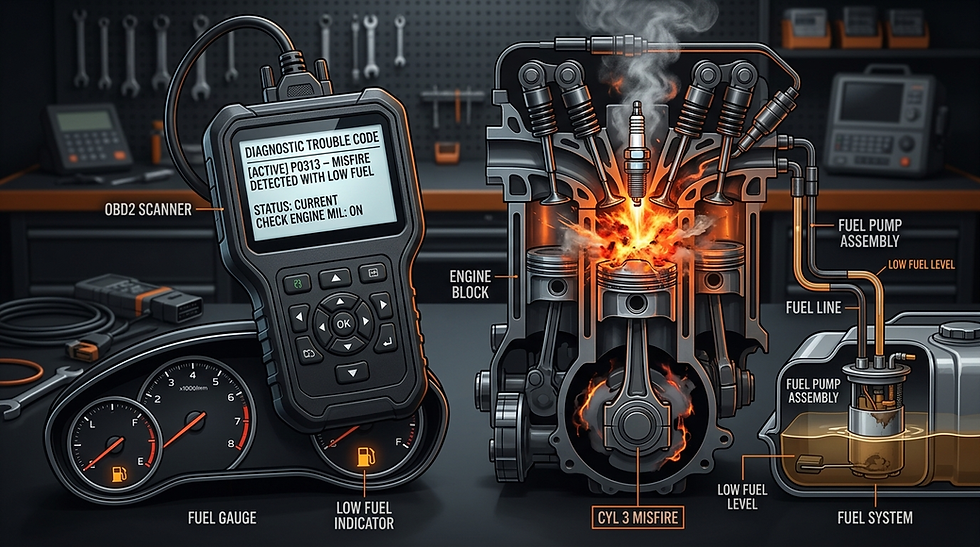
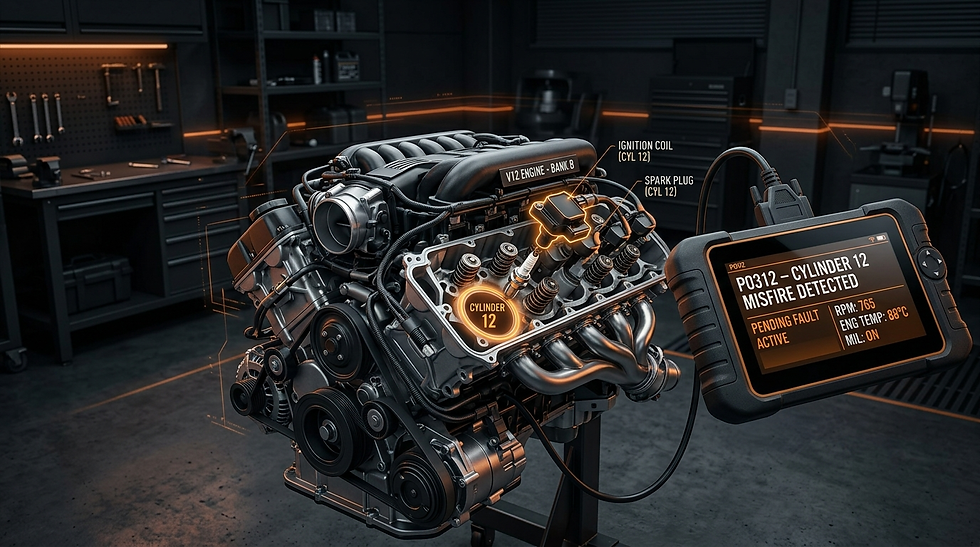
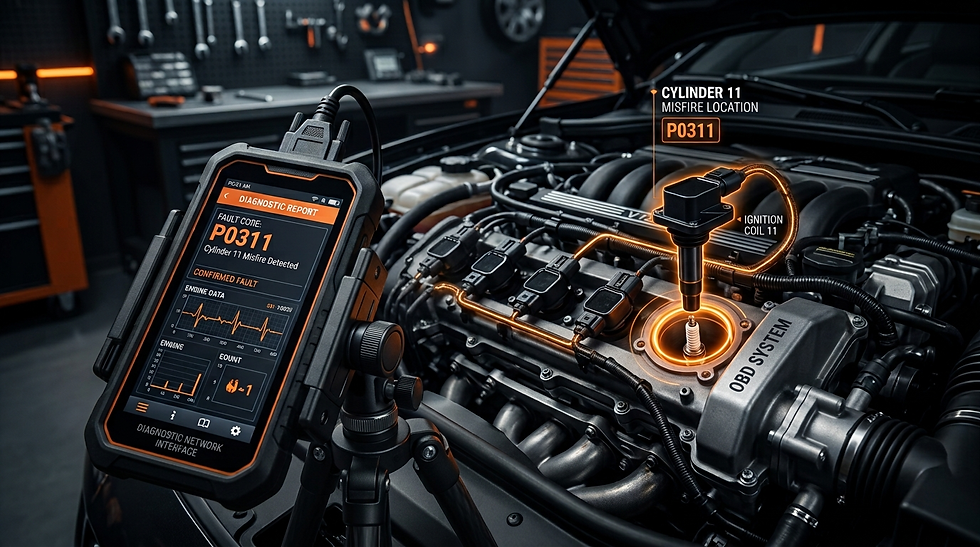
OBD2 technology made vehicle diagnostics faster and more accurate. Mechanics could now identify problems quickly using diagnostic scanners.
This reduced repair time and improved maintenance efficiency.
Conclusion
The evolution of OBD technology has transformed the way vehicles are diagnosed and repaired. Modern OBD systems provide detailed information about vehicle performance and help maintain efficient operation.
As automotive technology continues to advance, diagnostic systems will become even more sophisticated.