OBD2 Hardware: Fueling Future Vehicle Diagnostics


Imagine a world where vehicle breakdowns are predicted before they even happen, where maintenance schedules are dynamically adjusted based on real-time data, and where vehicle performance is optimized for both efficiency and longevity. This future, powered by advanced diagnostics and predictive capabilities, is being driven by the unassuming yet powerful OBD2 hardware. This article delves into the critical role OBD2 plays in shaping the future of vehicle diagnostics, impacting everything from fleet management to individual vehicle ownership. We will explore the evolving landscape of OBD2 technology, its integration with telematics, and its profound implications for predictive maintenance and beyond.
Understanding the Core of OBD2 Technology
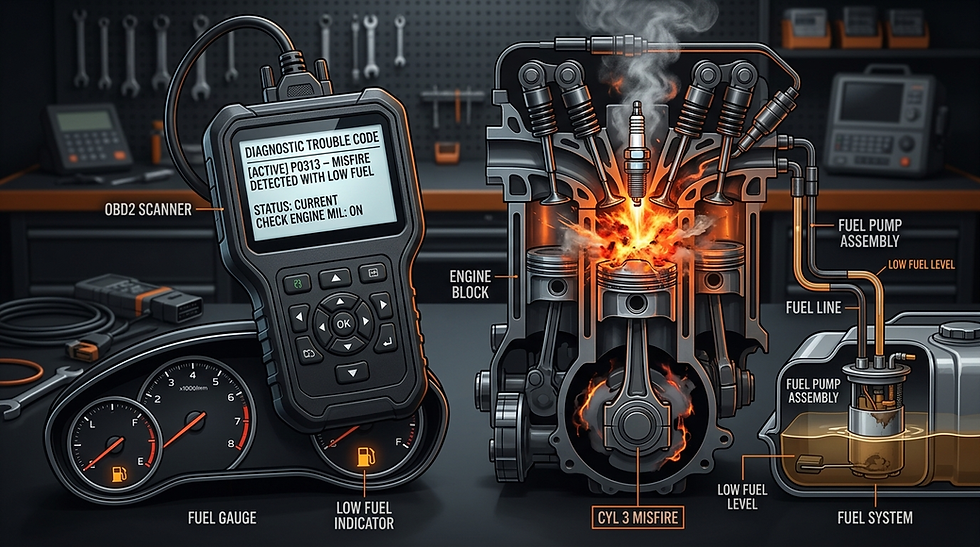
At its heart, the On-Board Diagnostics II (OBD2) system is a standardized system mandated in most vehicles since 1996. Its primary function is to monitor engine performance, emissions, and other critical vehicle systems. This data is accessible through a standardized port, allowing mechanics and vehicle owners to diagnose problems quickly and efficiently. While initially designed for emissions control, the capabilities of OBD2 have expanded dramatically.
The Evolution of OBD2
The original OBD system was relatively limited in its diagnostic capabilities. OBD2 represented a significant leap forward, standardizing diagnostic trouble codes (DTCs) and providing a more comprehensive view of vehicle health. Newer iterations and advancements build on this foundation, offering higher data resolution, faster communication speeds, and enhanced security features.
Key Components of OBD2 Systems
- OBD2 Port: The physical interface for accessing vehicle data.
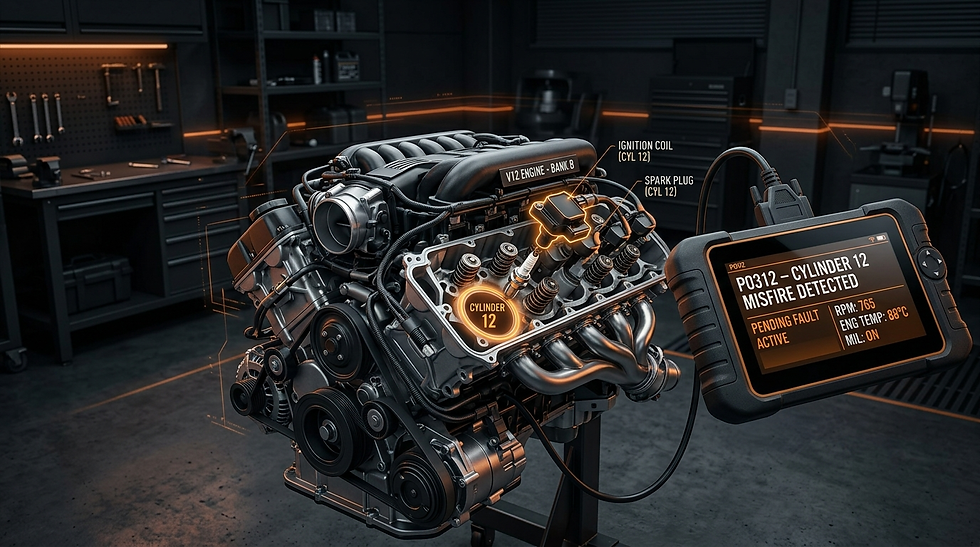
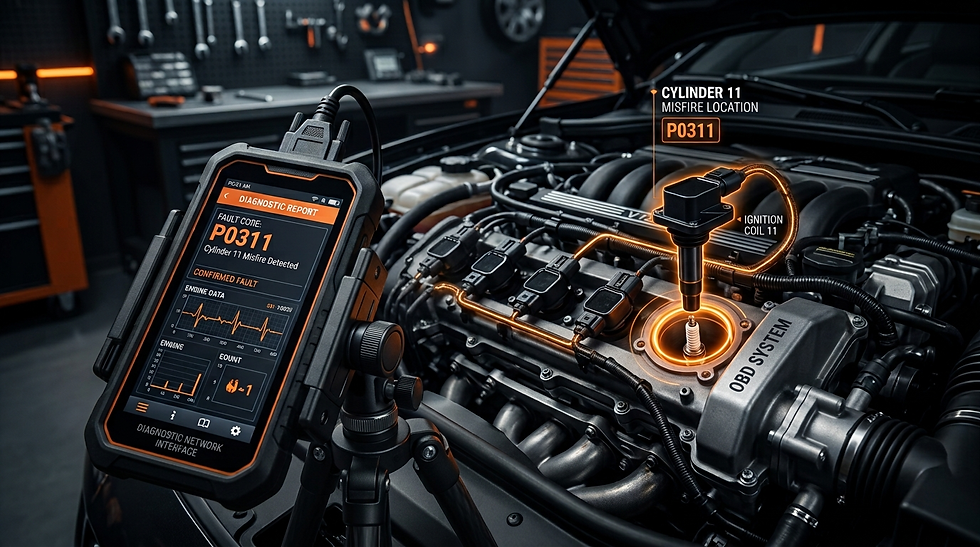
- Diagnostic Trouble Codes (DTCs): Standardized codes that identify specific faults within the vehicle's systems.
- Parameter IDs (PIDs): Real-time data values representing various vehicle parameters such as engine temperature, speed, and fuel consumption.
- ECU (Engine Control Unit): The vehicle's central computer that collects and manages OBD2 data.
The Role of OBD2 in Telematics and Fleet Management
Telematics systems leverage OBD2 data to provide valuable insights into vehicle performance, driver behavior, and location. This information is crucial for fleet managers seeking to optimize operations, reduce costs, and improve safety.
Data-Driven Fleet Optimization
By analyzing OBD2 data, fleet managers can identify trends and patterns that would otherwise go unnoticed. This includes identifying vehicles with consistently poor fuel economy, detecting signs of engine wear, and monitoring driver behavior such as speeding and hard braking.
- Fuel Efficiency Monitoring: Track fuel consumption across the fleet and identify opportunities for improvement.
- Driver Behavior Monitoring: Identify and address risky driving habits.
- Vehicle Health Monitoring: Proactively identify and address maintenance needs.
- Route Optimization: Analyze route data to identify more efficient routes.
Integrating OBD2 with Telematics Platforms
Seamless integration between OBD2 hardware and telematics platforms is critical for effective fleet management. This involves selecting compatible hardware, configuring data collection parameters, and developing robust data analytics capabilities. Many telematics providers offer OBD2-compatible devices that can be easily installed in vehicles. These devices transmit data wirelessly to a central platform, where it can be analyzed and visualized.
OBD2 Hardware and Predictive Maintenance
One of the most promising applications of OBD2 technology is in predictive maintenance. By continuously monitoring vehicle data, it's possible to identify early warning signs of potential failures and schedule maintenance proactively.
Identifying Predictive Maintenance Indicators
Certain OBD2 parameters can serve as indicators of impending failures. For instance, a gradual increase in engine temperature may indicate a cooling system problem. Similarly, erratic readings from oxygen sensors could suggest a faulty catalytic converter. By establishing baselines for these parameters and monitoring for deviations, it's possible to predict when maintenance will be required.
- Engine Temperature: Track engine temperature to identify cooling system issues.
- Oxygen Sensor Readings: Monitor oxygen sensor data to detect problems with the catalytic converter or fuel system.
- Fuel Trim Values: Analyze fuel trim data to identify engine performance issues.
- Battery Voltage: Monitor battery voltage to detect potential battery failures.
Benefits of Predictive Maintenance
Predictive maintenance offers several advantages over traditional reactive or preventive maintenance approaches. It reduces downtime, minimizes repair costs, and extends the lifespan of vehicles. Furthermore, it improves safety by preventing unexpected breakdowns.
The Future of Telematics Hardware: Key Trends in OBD2, TPMS, and Vehicle Diagnostics
The future of telematics hardware is characterized by increased sophistication, integration, and connectivity. We are seeing advancements in OBD2 technology, Tire Pressure Monitoring Systems (TPMS), and other vehicle diagnostics tools, all converging to create a more comprehensive and proactive approach to vehicle management.
Emerging Trends in OBD2 Technology
- Enhanced Security: Increased focus on protecting OBD2 data from cyberattacks.
- Wireless Connectivity: More widespread adoption of wireless OBD2 adapters.
- Real-Time Data Streaming: Improved capabilities for streaming real-time vehicle data.
- Advanced Analytics: Integration of machine learning algorithms for predictive maintenance.
Integration with Other Vehicle Systems
OBD2 systems are increasingly being integrated with other vehicle systems, such as TPMS and Advanced Driver-Assistance Systems (ADAS). This integration provides a more holistic view of vehicle health and performance, enabling more sophisticated diagnostics and predictive capabilities. For example, combining TPMS data with OBD2 data can provide insights into tire wear patterns and identify potential alignment issues.
Best Practices for Implementing OBD2-Based Diagnostic Systems
Successfully implementing an OBD2-based diagnostic system requires careful planning and execution. Here are some best practices to follow:
- Choose the Right Hardware: Select OBD2 hardware that is compatible with your vehicles and telematics platform.
- Configure Data Collection Parameters: Define the specific OBD2 parameters you want to monitor.
- Establish Data Baselines: Create baselines for key parameters to identify deviations.
- Develop Alerting Mechanisms: Set up alerts to notify you of potential problems.
- Regularly Analyze Data: Review data regularly to identify trends and patterns.
Conclusion: Embracing the Diagnostic Revolution
OBD2 hardware is no longer just a tool for diagnosing problems; it's a key enabler of proactive vehicle management and predictive maintenance. By embracing OBD2 technology and integrating it with telematics platforms, fleet managers and vehicle owners can unlock significant benefits in terms of cost savings, improved safety, and enhanced vehicle performance. The future of vehicle diagnostics is here, and it's being fueled by the power of OBD2. Embrace this technology to gain a competitive edge and ensure the longevity and efficiency of your vehicles. Consider exploring partnerships with telematics providers to leverage their expertise and maximize the value of your OBD2 data. Start today and unlock the full potential of your vehicle data.