OBD Diagnostics for Monitoring Engine Idle Stability
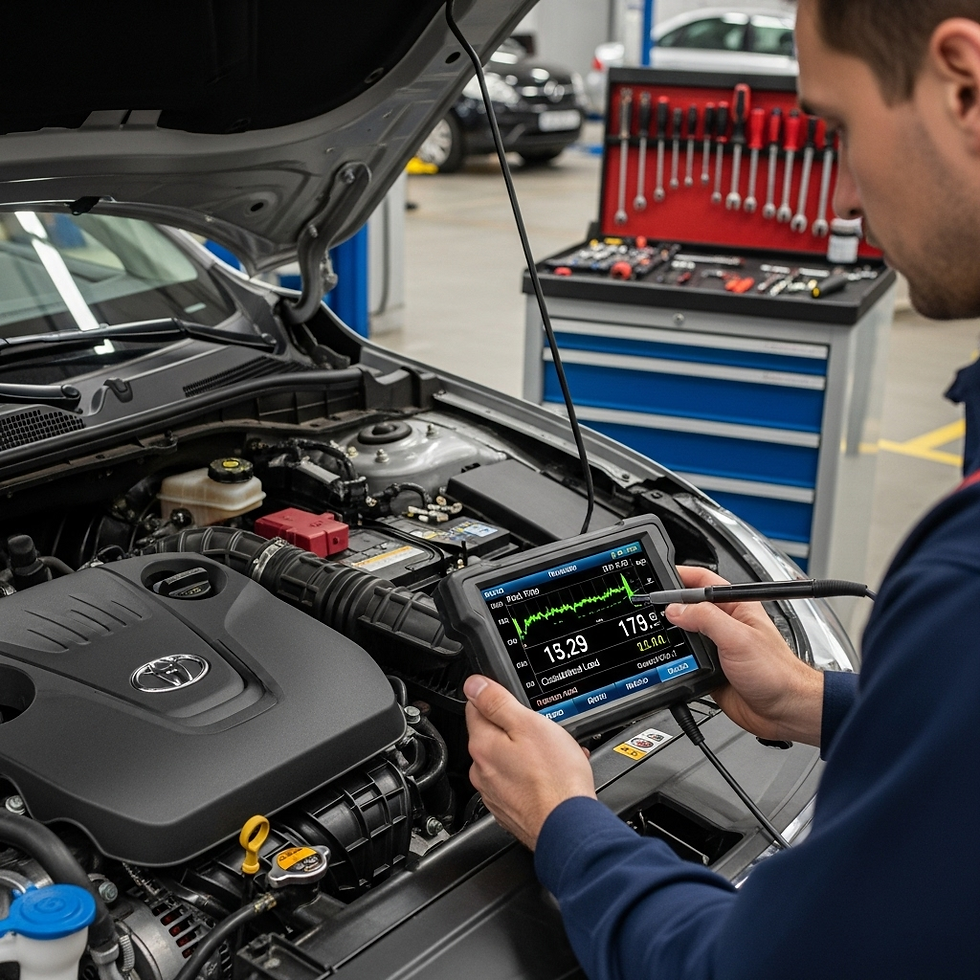
A smooth idle indicates a healthy engine. When idle becomes rough or unstable, it signals airflow, fueling, or ignition problems. OBD idle stability diagnostics analyze engine behavior at low RPM to pinpoint the cause.
Why Idle Stability Is Important
Engine Balance
Idle reveals how evenly cylinders are firing.
Electrical Load Sensitivity
Accessories like AC and power steering affect idle control.
Common Causes of Rough Idle
Idle Control System Issues
Faulty idle air control valves disrupt airflow.
Air Leaks
Vacuum leaks introduce unmetered air.
Ignition Irregularities
Weak spark causes uneven combustion.
How OBD Evaluates Idle Quality
RPM Fluctuation Tracking
OBD monitors idle speed variance.
Fuel Trim Behavior at Idle
Abnormal trims indicate imbalance.
Benefits of Idle Diagnostics
Smoother engine operation
Reduced stalling risk
Improved driving comfort
Conclusion
OBD diagnostics turn rough idle complaints into precise, fixable data.


