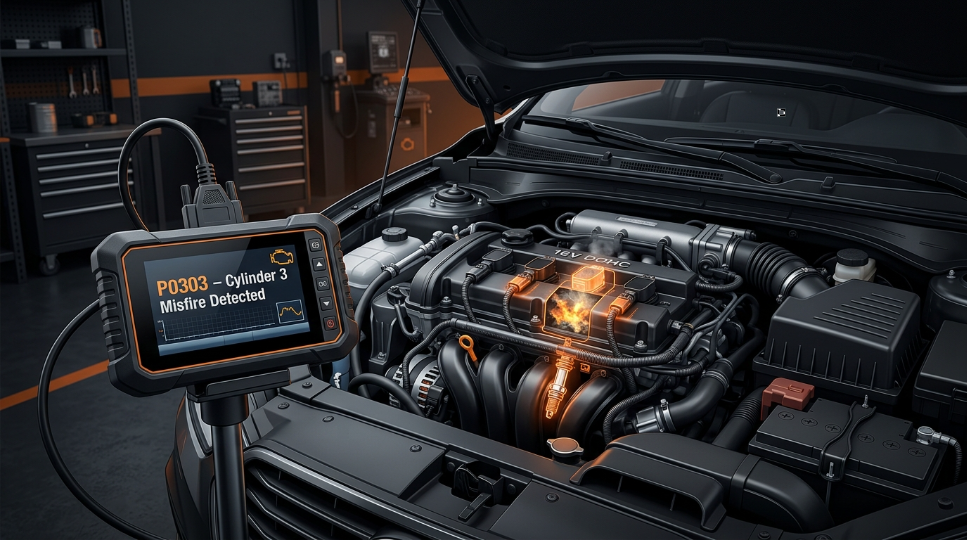
OBD Diagnostics for Detecting Fuel Evaporation System (EVAP) Leaks

The EVAP system prevents fuel vapors from escaping into the atmosphere. Even small leaks can trigger check engine lights and cause emission test failures. OBD EVAP system diagnostics help locate leaks that are otherwise difficult to detect physically.
Understanding the EVAP System
Purpose of the EVAP System
Stores fuel vapors and routes them back to the engine for combustion.
Key Components
Charcoal canister, purge valve, vent valve, and fuel tank sensors.
Common EVAP System Problems
Loose or Damaged Fuel Caps
One of the most frequent causes of EVAP faults.
Cracked Hoses or Valves
Allow vapors to escape undetected.
How OBD Detects EVAP Leaks
Pressure and Vacuum Testing
OBD monitors pressure changes in the fuel system.
Leak Size Classification
Differentiates between small, medium, and large leaks.
Benefits of EVAP Diagnostics
Prevents emission test failures
Reduces fuel odor and vapor loss
Avoids unnecessary part replacement
Conclusion
OBD diagnostics provide precise EVAP leak detection for emission compliance and vehicle efficiency.