How Workshops and Small Garages Can Expand Revenue by Offering Diagnostic Services

For many small workshops and garages, business has traditionally revolved around oil changes, mechanical repairs, brake jobs, and routine maintenance. But the automotive landscape is changing — modern vehicles demand data-driven diagnostics, electronic troubleshooting, and software-level maintenance. By offering diagnostic services, workshops can unlock a new revenue stream, differentiate themselves, and build loyal customer relationships.
1. Why Diagnostic Services Are In Demand
With newer vehicles, complexity has increased:
Electronic control units (ECUs) manage engine, transmission, fuel, emissions, safety features.
Sensors monitor everything from temperature to emissions, to battery health, to safety systems.
Owners and fleet managers demand fast, accurate fault detection, not just guesswork.
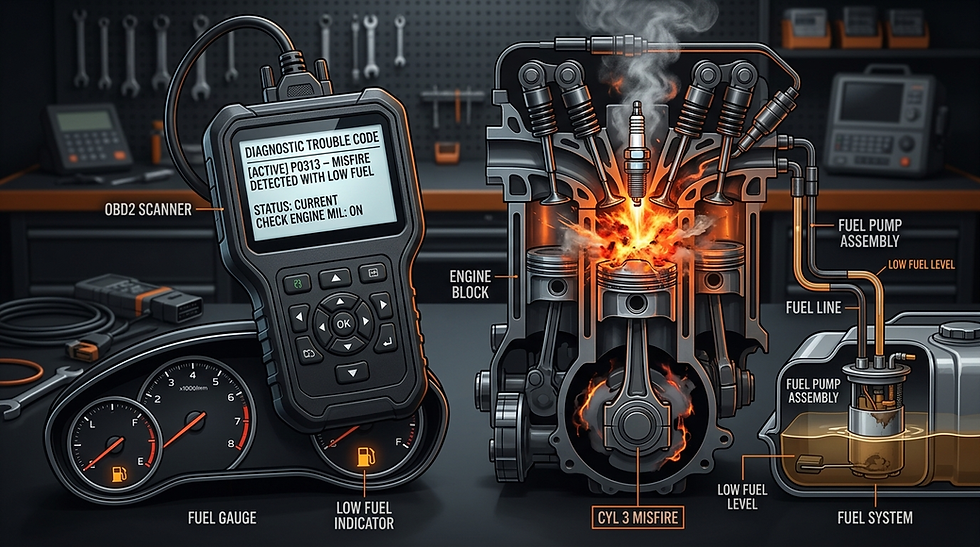
Many customers don’t know what’s wrong — they just know the check engine light is on. A workshop that offers diagnostics gains trust by giving clear, data-backed insights and avoids unnecessary part replacements.
2. Low Entry Cost, High Value Added
Offering diagnostics doesn’t require huge investment:
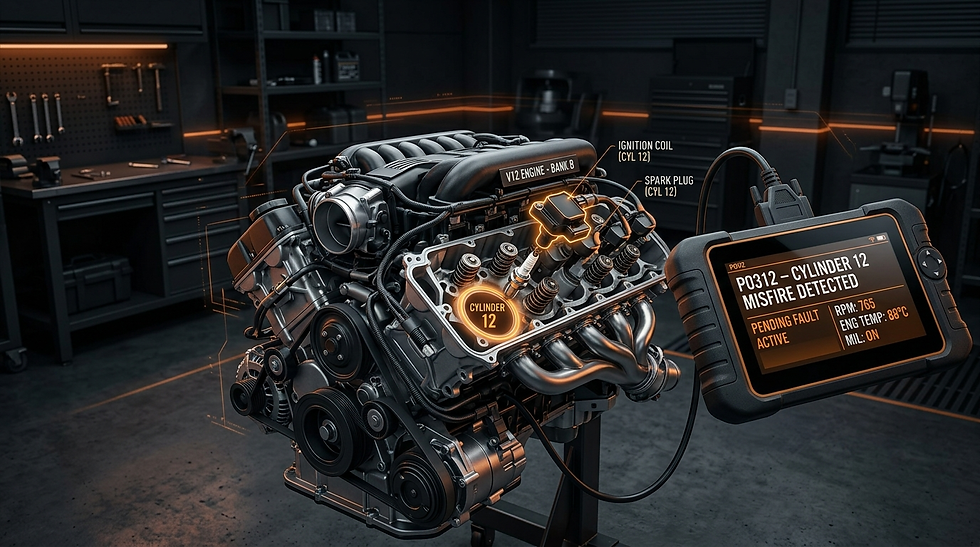
A reliable OBD2 scanner and compatible software
Basic training for technicians on reading codes & interpreting live data
A standard bay — no need for specialized lifts or heavy equipment
Once set up, a diagnostic scan can be completed quickly. Charging a modest fee for diagnosis (plus any needed repairs) adds an attractive margin and value for clients who want transparency.
3. Building Customer Trust and Retention
Diagnostic services deliver value in several ways:
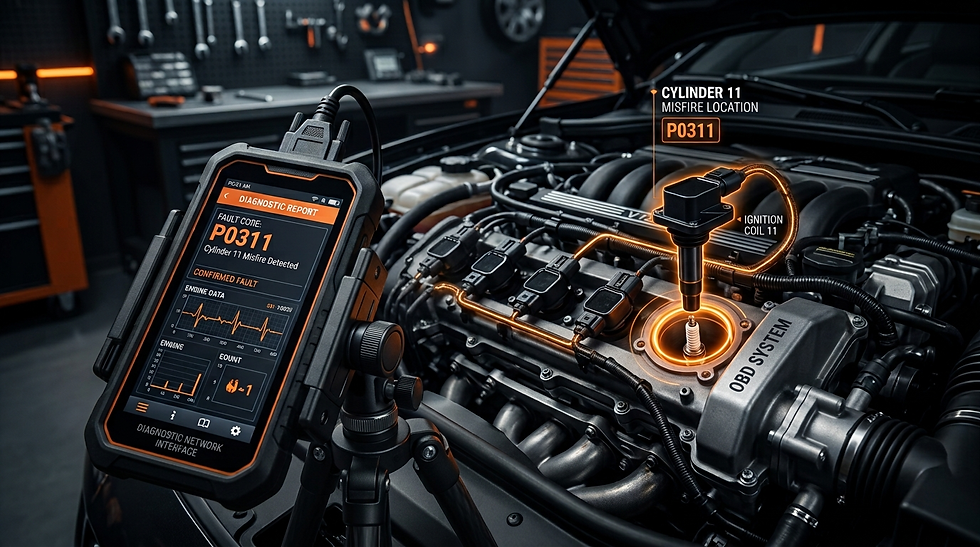
Customers receive a clear diagnostic report — not vague guesses.
Transparency builds trust when repairs are recommended based on data.
You can track vehicle history over multiple visits (saving logs, codes, repair history).
Clients are more likely to return for follow-up maintenance or upgrades.
Over time, this leads to a stable base of customers — ideal for small or medium-sized garages.
4. Differentiating from Competitive Workshops
Many traditional garages only offer mechanical fixes. By adding diagnostics, you:
Provide a modern, professional service
Cater to newer car owners and fleets
Position yourself as a tech-savvy, trustworthy shop
Offer comprehensive maintenance (software + hardware + mechanical)
This differentiator can attract higher-end clients, fleets, or owners of modern vehicles.
5. Best Practices for Running Diagnostic Services
To make diagnostics a successful offering:
Use secure, up-to-date diagnostic tools — both hardware and software.
Maintain a digital logbook for each vehicle (fault codes, repair history, service notes).
Offer clear reports to customers: what’s wrong, why, and how to fix it.
Educate technicians: understanding codes, interpreting live data, offering correct advice.
Combine with regular maintenance: diagnostics + fluid checks + mechanical inspection.
This holistic approach builds credibility and reduces repeat visits for the same issue.
Conclusion
Adding diagnostic services to your workshop is one of the smartest business moves in today’s automotive environment. With minimal investment, shops can offer high-value services, build customer trust, and position themselves as modern, reliable service centers. For garages ready to evolve, diagnostics isn’t just an add-on — it’s the future of vehicle maintenance and repair.