How to Read and Understand OBD2 Codes Like a Pro

If your car's check engine light suddenly comes on, it can be stressful. But thanks to modern OBD2 scanners, understanding what your car is trying to tell you has never been easier. These devices allow you to read car codes and get a clear diagnosis of engine issues, saving you time and money.
In this article, we’ll break down everything you need to know about OBD2 codes, how to interpret them, and when to attempt a DIY fix versus seeking professional help.
What Are OBD2 Codes?
OBD2 codes (On-Board Diagnostics, version 2) are standardized error codes that all vehicles manufactured after 1996 use. They indicate problems in different vehicle systems, including:
Engine
Transmission
Emissions
Fuel system
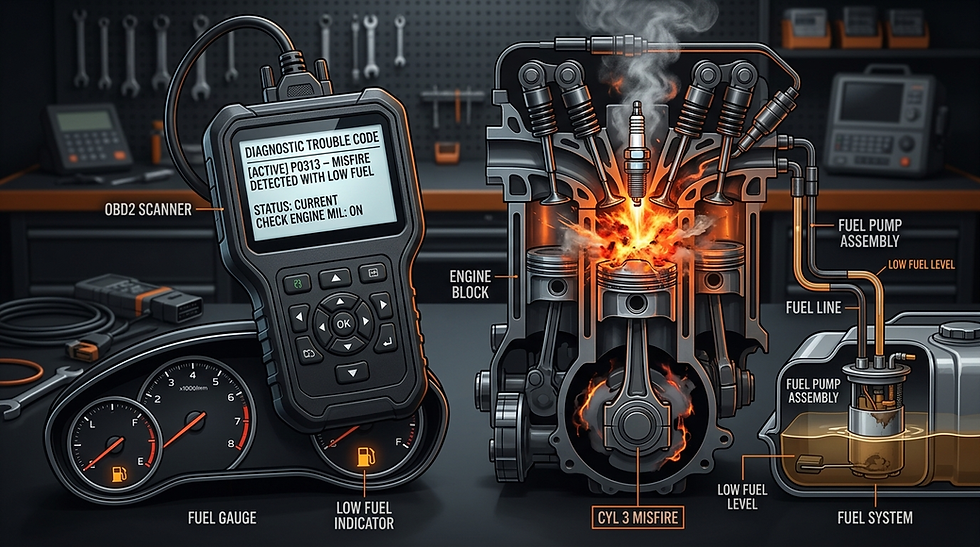
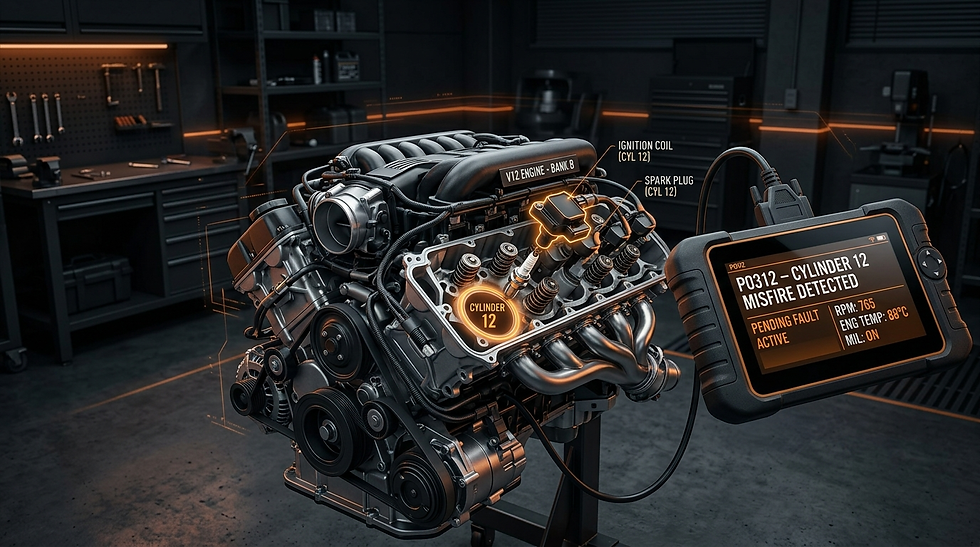
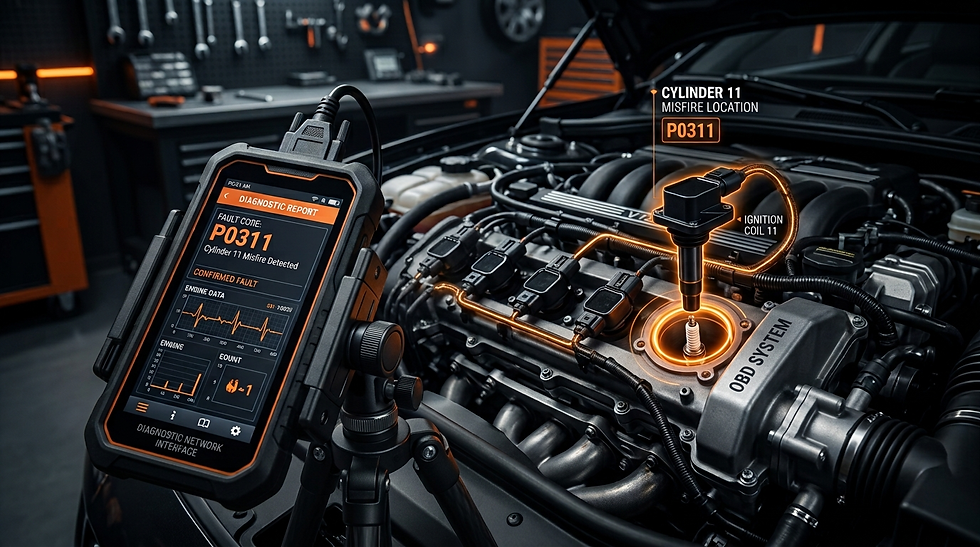
These codes appear when your car detects an issue and trigger the check engine light. Each code has a letter and four digits—for example, P0301, which indicates a misfire in cylinder 1.
Types of OBD2 Codes
OBD2 codes are classified into four main categories:
P-codes (Powertrain) – Engine and transmission problems
B-codes (Body) – Airbags, HVAC, or body electronics
C-codes (Chassis) – ABS, suspension, or steering issues
U-codes (Network & Communication) – Data transmission between modules
Understanding the category helps you know which part of the car is affected.
How to Read OBD2 Codes
Reading OBD2 codes is simple if you have the right diagnostic tools:
Connect the OBD2 scanner to your car’s OBD2 port (usually under the dashboard).
Turn on the ignition without starting the engine.
Follow the scanner’s prompts to retrieve error codes.
Note down the codes and check the scanner or an online database for their meaning.
Some scanners also provide live data like fuel trims, oxygen sensor readings, and engine temperature—helpful for advanced troubleshooting.
Common OBD2 Codes and Their Meanings
Here are a few common codes you might encounter:
P0300: Random/multiple cylinder misfire
P0420: Catalyst system efficiency below threshold
P0171: System too lean (bank 1)
P0455: Evaporative emission system leak detected
Each code provides a clue about what needs fixing. Simple issues, like a loose gas cap causing P0455, can be fixed at home, while more complex ones might require professional repair.
Tips for Fixing Minor Issues
Loose gas cap: Tighten it and reset the code.
Faulty spark plugs: Replace to resolve misfire codes.
Oxygen sensors: Check and replace if necessary.
Battery or alternator issues: Test voltage and connections.
Always clear the codes after fixing the problem to see if the check engine light turns off.
When to Seek Professional Help
While DIY fixes are possible for minor issues, some problems require professional attention:
Transmission issues
Complex engine misfires
Emission control failures
A certified mechanic can ensure repairs are safe, effective, and prevent further damage.
Conclusion
Mastering OBD2 codes empowers car owners to understand and resolve check engine issues. With the right diagnostic tools and a bit of knowledge, you can troubleshoot minor problems at home, saving both time and money. Remember, safety first—when in doubt, consult a professional.