How OBD2 Helps Monitor Engine Temperature

Maintaining the correct engine temperature is critical for vehicle performance and longevity. If an engine becomes too hot, it can lead to serious mechanical damage.
Modern vehicles use OBD2 engine temperature monitoring systems to track engine heat levels and alert drivers when problems occur.
Importance of Engine Temperature Control
Engines operate best within a specific temperature range. If the temperature rises too high, it can cause:
Engine overheating
Damaged head gaskets
Warped engine components
Reduced engine efficiency
Monitoring temperature ensures the engine stays within safe limits.
Sensors Used by OBD2 Systems
OBD2 systems rely on sensors to measure engine temperature. The most important one is the Engine Coolant Temperature (ECT) sensor.
This sensor measures the temperature of the coolant circulating through the engine.
The data is sent to the engine control unit, which adjusts fuel injection and cooling systems accordingly.
Warning Signs of Temperature Problems
Drivers may notice several signs when engine temperature problems occur:
High temperature gauge readings
Warning lights on the dashboard
Coolant leaks
Reduced engine performance
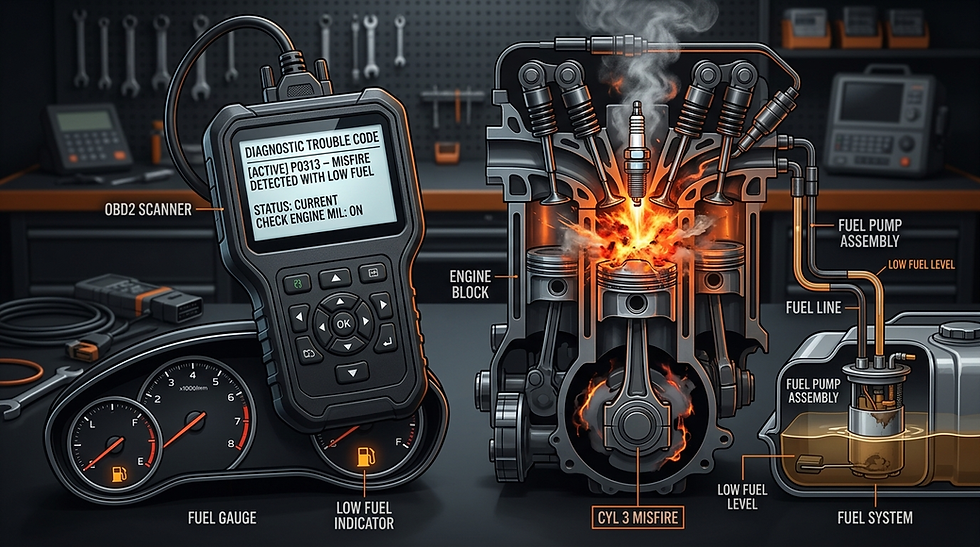
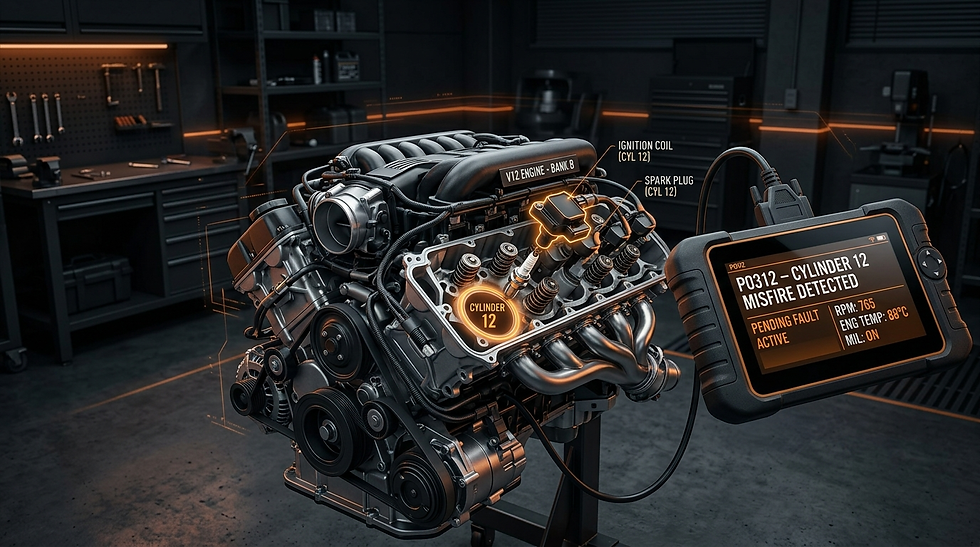
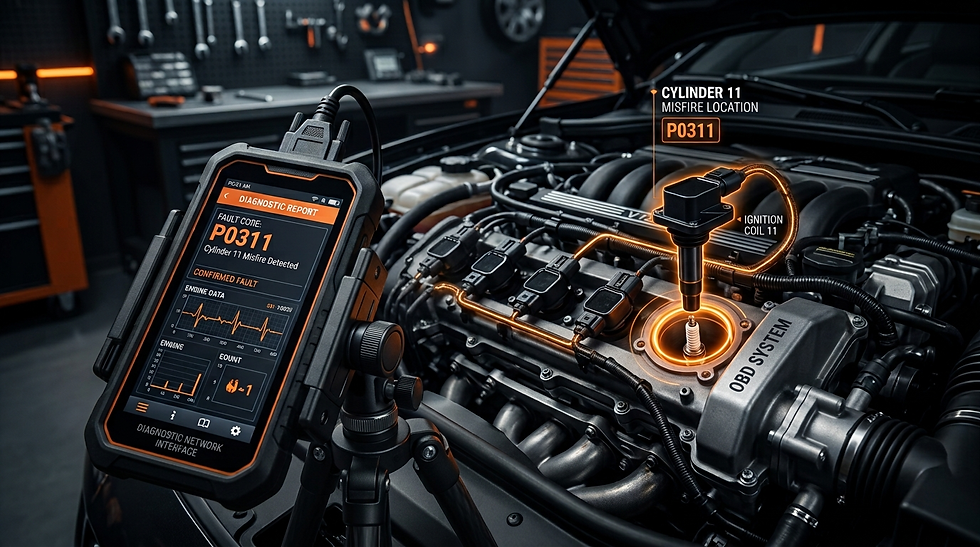
Using an OBD2 scanner can help identify the exact cause of these issues.
Conclusion
OBD2 engine temperature monitoring protects the engine from overheating and serious mechanical damage. By continuously analyzing temperature data, the system ensures the engine operates safely.
Routine diagnostic checks help maintain proper cooling system performance.