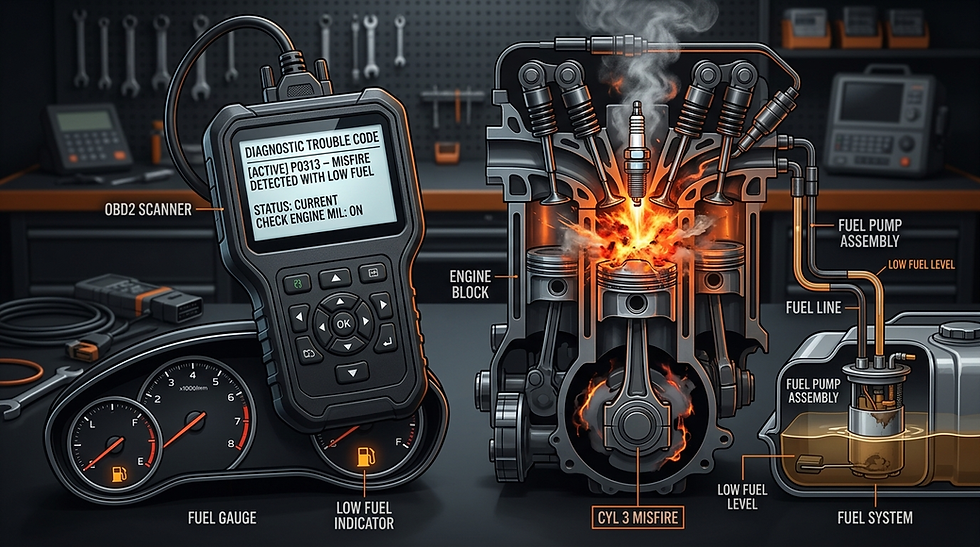
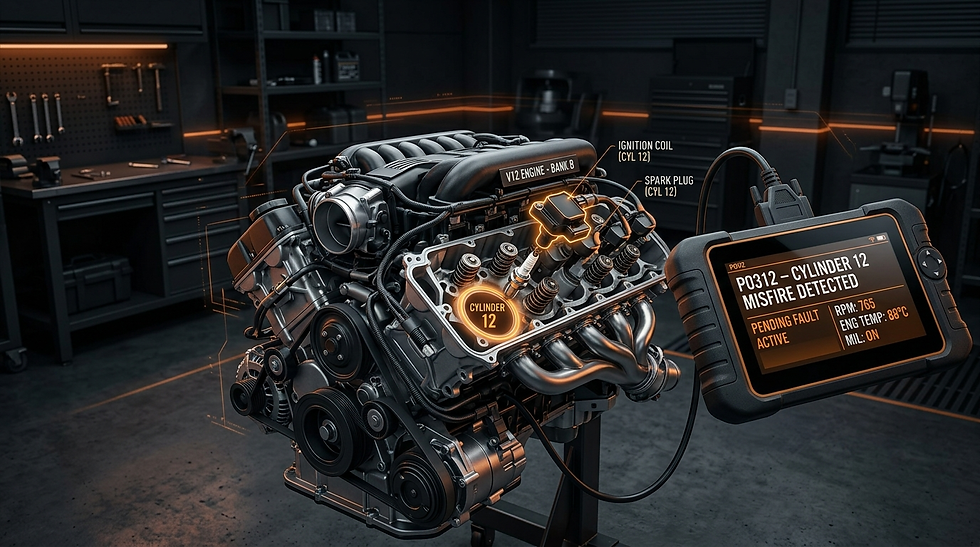
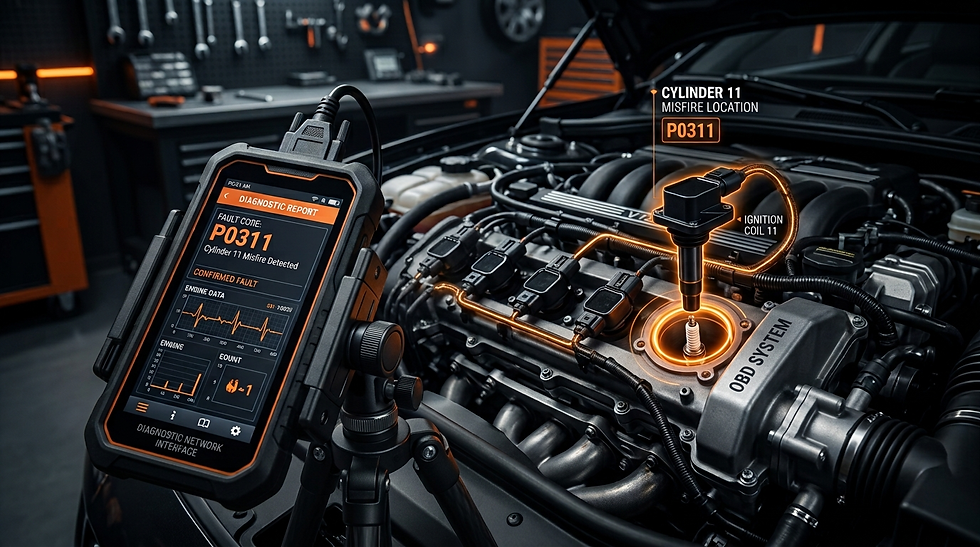
How OBD2 Helps Monitor Engine Performance During Hot-and-Cold Cycles

Every time an engine warms up and cools down, components expand and contract. Over time, these thermal cycles can affect sensors, gaskets, and engine performance.
OBD2 thermal cycle diagnostics help identify issues related to repeated temperature changes.
Effects of Thermal Cycling
Repeated heating and cooling can cause:
Sensor wear
Gasket deterioration
Electrical connection issues
Cooling system inefficiencies
How OBD2 Detects Thermal Cycle Problems
OBD2 systems monitor coolant temperatures, sensor responses, and startup performance.
Abnormal trends may indicate wear caused by thermal stress.
Symptoms of Thermal Cycle Issues
Coolant leaks
Rough cold starts
Temperature fluctuations
Intermittent sensor faults
Conclusion
OBD2 thermal cycle diagnostics help identify age-related engine issues before they become costly repairs.