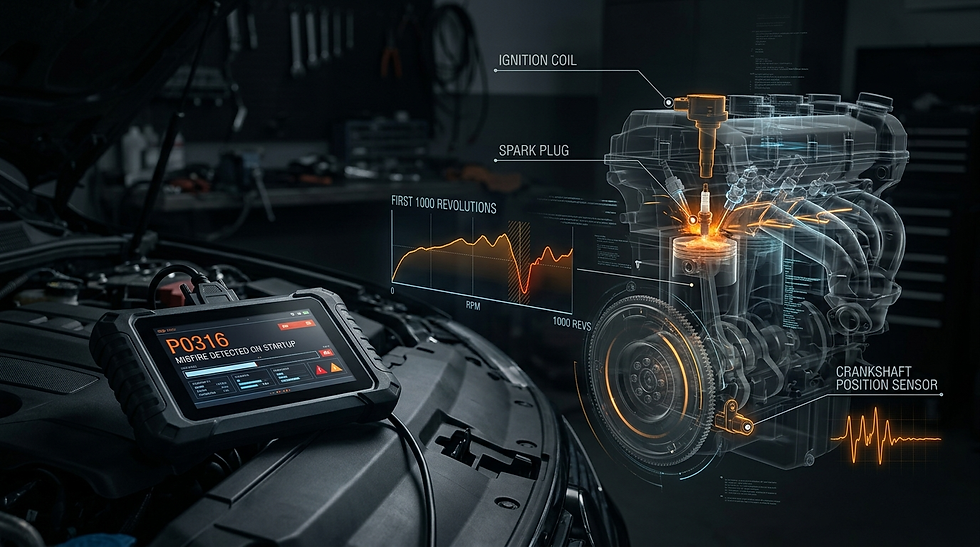
How OBD2 Helps Monitor Engine Performance During High-Temperature Driving

Driving in high temperatures places additional stress on cooling systems, fuel systems, and engine components.
OBD2 hot weather diagnostics help drivers identify potential issues before overheating occurs.
Challenges of Hot-Weather Driving
High temperatures can increase:
Engine heat levels
Cooling system workload
Fuel evaporation rates
Electrical system stress
How OBD2 Detects Heat-Related Problems
OBD2 systems monitor coolant temperature, intake air temperature, and engine load.
Abnormal readings can indicate cooling system inefficiencies.
Symptoms of Hot-Weather Vehicle Problems
Rising engine temperatures
Reduced engine performance
Poor fuel economy
Cooling fan issues
Conclusion
OBD2 hot weather diagnostics help drivers maintain vehicle reliability and avoid heat-related breakdowns.