How OBD2 Helps Diagnose Fuel Pressure Problems

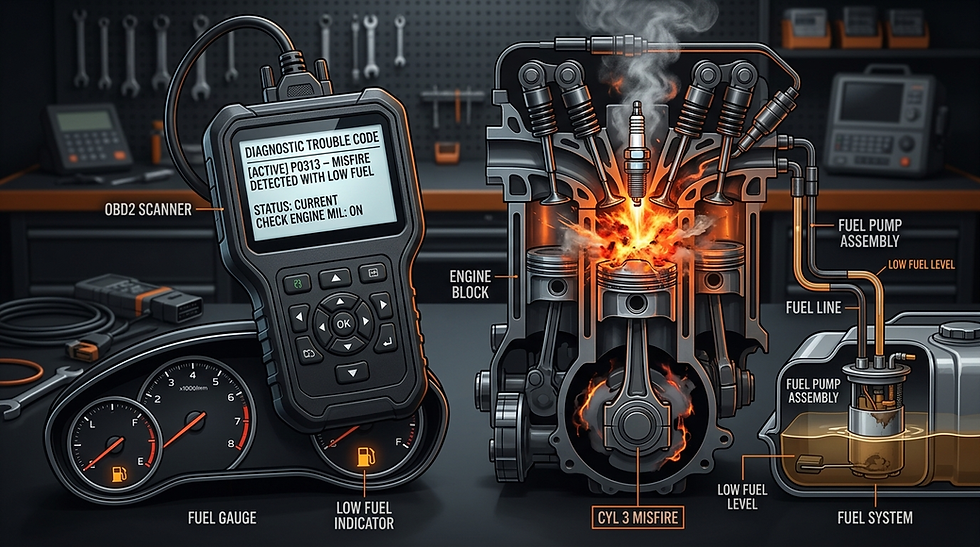
Fuel pressure plays a key role in engine performance. If the pressure is too low or too high, the engine may not operate efficiently.
Modern vehicles use OBD2 fuel pressure diagnostics to monitor fuel delivery and detect issues.
Causes of Fuel Pressure Problems
Fuel pressure issues can be caused by:
Faulty fuel pump
Clogged fuel filter
Bad pressure regulator
Leaking fuel lines
These problems affect engine performance and efficiency.
How OBD2 Detects Fuel Pressure Issues
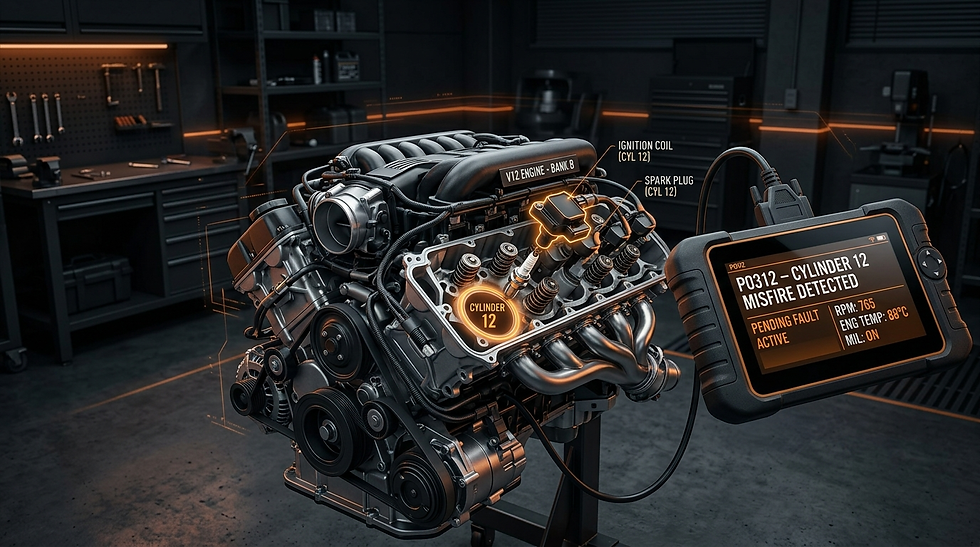
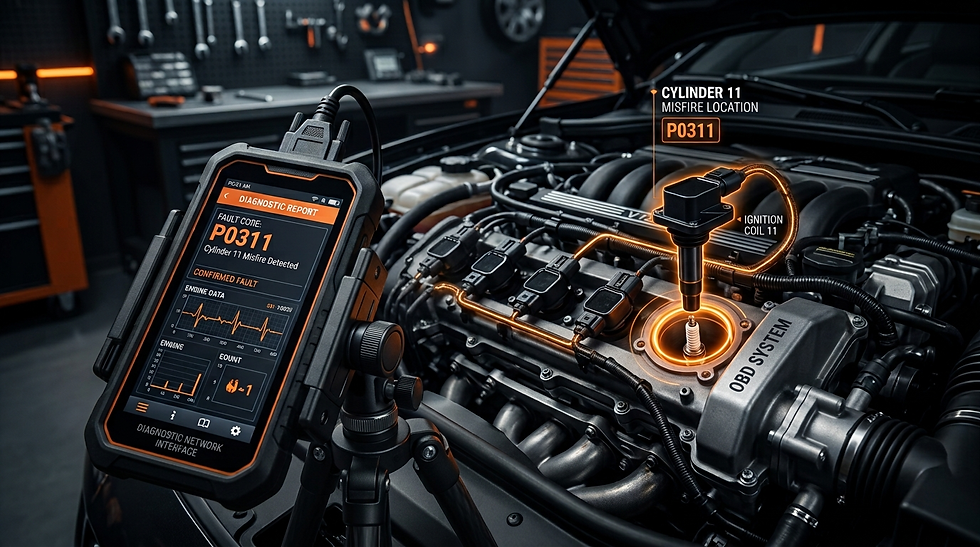
OBD2 systems monitor fuel system data and generate diagnostic codes when pressure is outside normal range.
Common codes include:
P0087 – Fuel pressure too low
P0190 – Fuel rail pressure sensor malfunction
Symptoms of Fuel Pressure Issues
Drivers may experience:
Engine hesitation
Poor acceleration
Difficulty starting
Reduced fuel efficiency
Conclusion
OBD2 fuel pressure diagnostics help maintain proper fuel delivery and engine performance. Early detection of issues prevents engine damage and improves reliability.
Routine diagnostics ensure the fuel system operates correctly.