How OBD2 Helps Detect Ignition System Problems

The ignition system is responsible for igniting the air-fuel mixture in the engine cylinders. If this system fails, the engine may not run properly.
Modern vehicles use OBD2 ignition system diagnostics to monitor ignition performance and detect issues early.
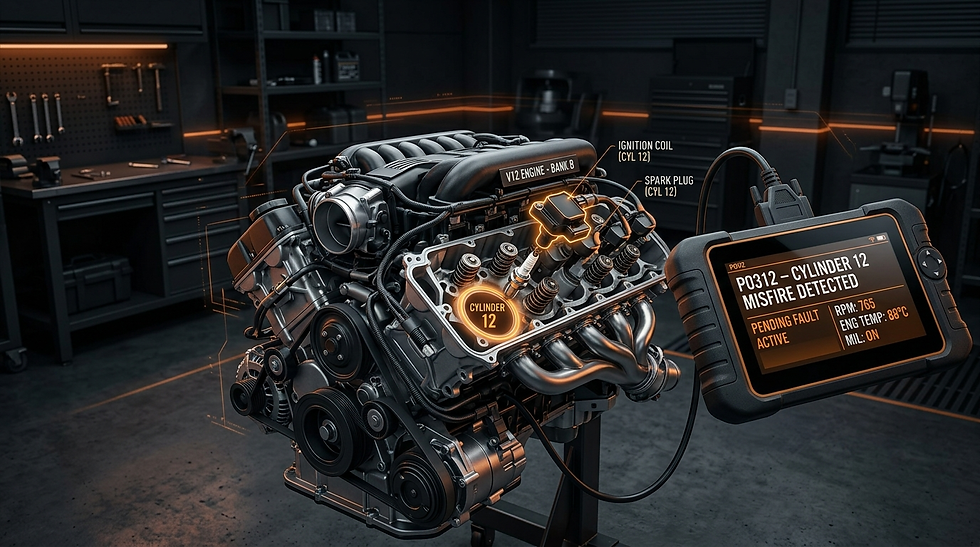
Components of the Ignition System
The ignition system includes several components such as:
Spark plugs
Ignition coils
Ignition control module
Crankshaft position sensor
All these components work together to ensure proper combustion.
How OBD2 Monitors the Ignition System
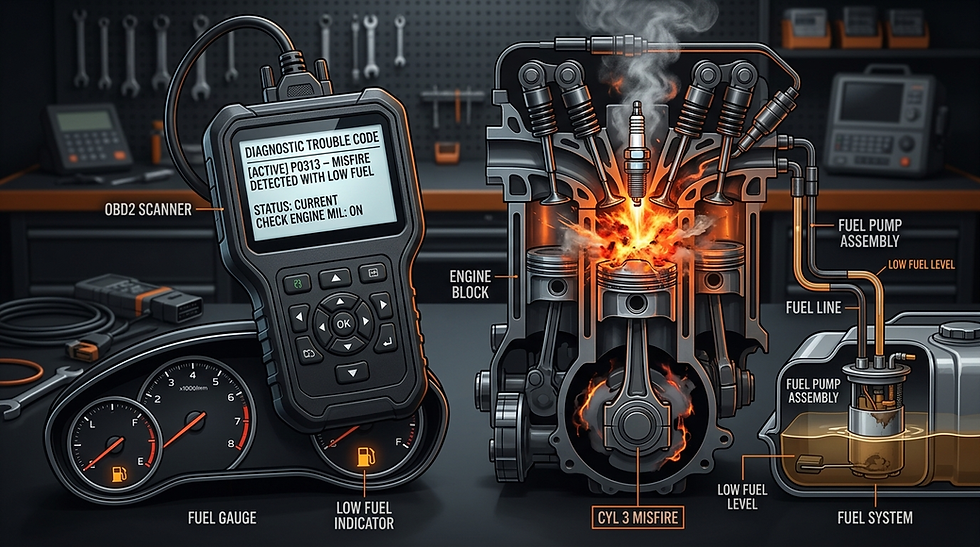
OBD2 systems monitor engine combustion cycles and detect irregularities in ignition timing.
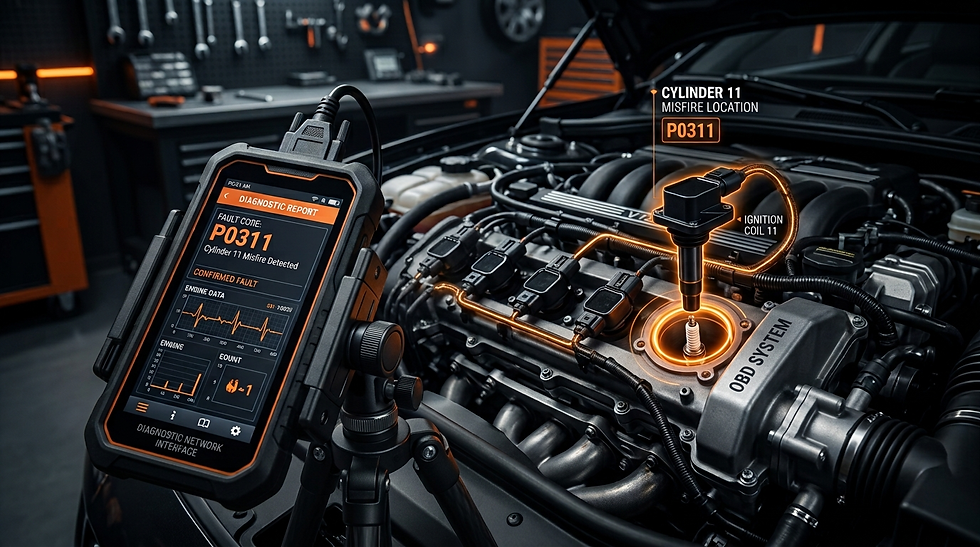
If the system detects a problem, it stores diagnostic trouble codes such as:
P0350 – Ignition coil circuit malfunction
P0301 – Cylinder misfire
These codes help technicians identify the source of the problem.
Common Signs of Ignition Problems
Drivers may notice several symptoms when ignition problems occur:
Engine misfires
Difficulty starting the vehicle
Poor acceleration
Increased fuel consumption
Conclusion
OBD2 ignition system diagnostics allow drivers and mechanics to quickly detect ignition problems. Early detection prevents engine damage and helps maintain reliable vehicle performance.
Routine OBD2 scans help ensure the ignition system functions properly.