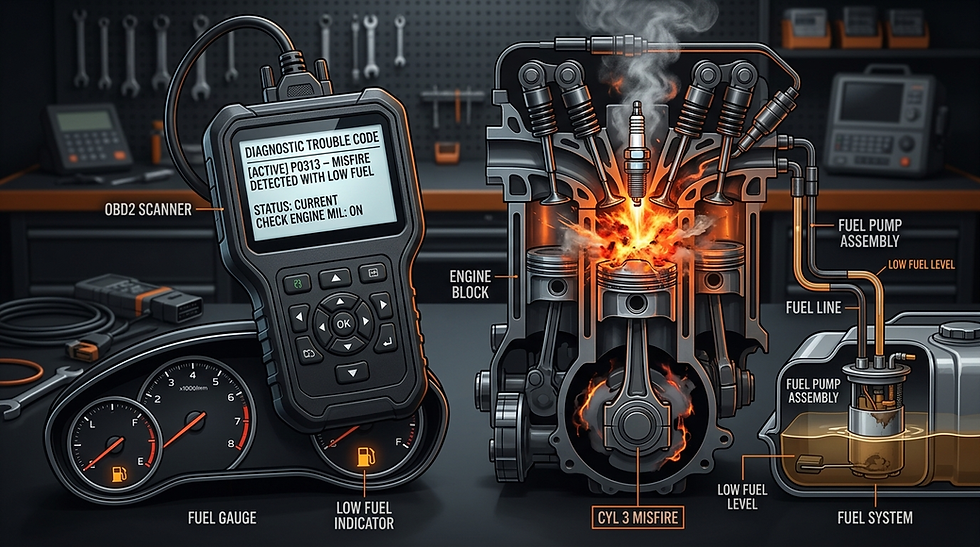
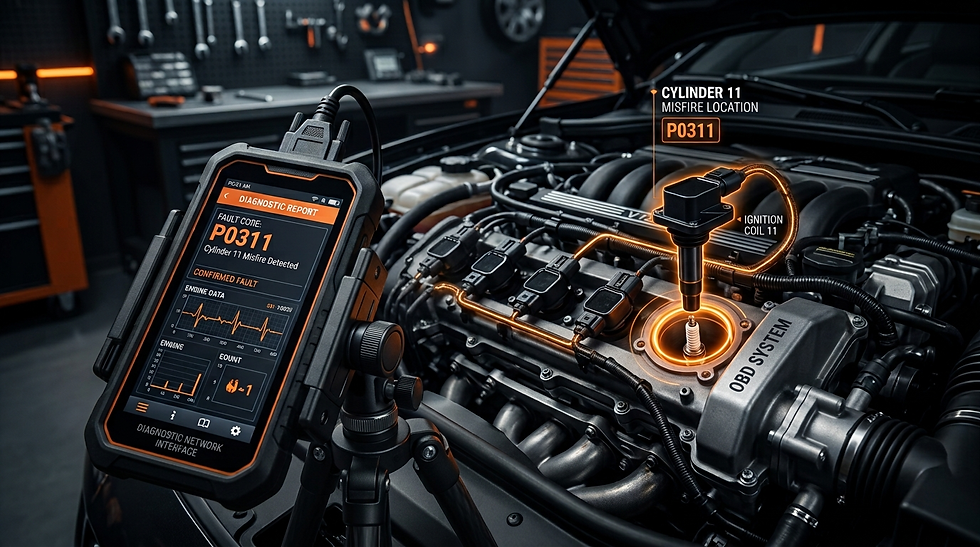
How OBD2 Helps Detect Engine Oxygen Sensor Aging

Oxygen sensors play a critical role in monitoring exhaust gases and helping the ECU maintain the correct air-fuel ratio. As sensors age, their response time slows, affecting engine efficiency.
OBD2 oxygen sensor diagnostics help identify aging sensors before they negatively impact performance.
Causes of Oxygen Sensor Aging
Common causes include:
High mileage operation
Carbon contamination
Fuel additives and impurities
Prolonged exposure to high temperatures
How OBD2 Detects Oxygen Sensor Aging
OBD2 systems monitor sensor switching speed, voltage ranges, and fuel trim adjustments.
Slower response times may indicate sensor deterioration.
Symptoms of an Aging Oxygen Sensor
Reduced fuel economy
Increased emissions
Rough idle
Engine hesitation
Check engine light
Conclusion
OBD2 oxygen sensor diagnostics help maintain accurate fuel control and efficient engine operation. Replacing aging sensors can restore performance and fuel economy.