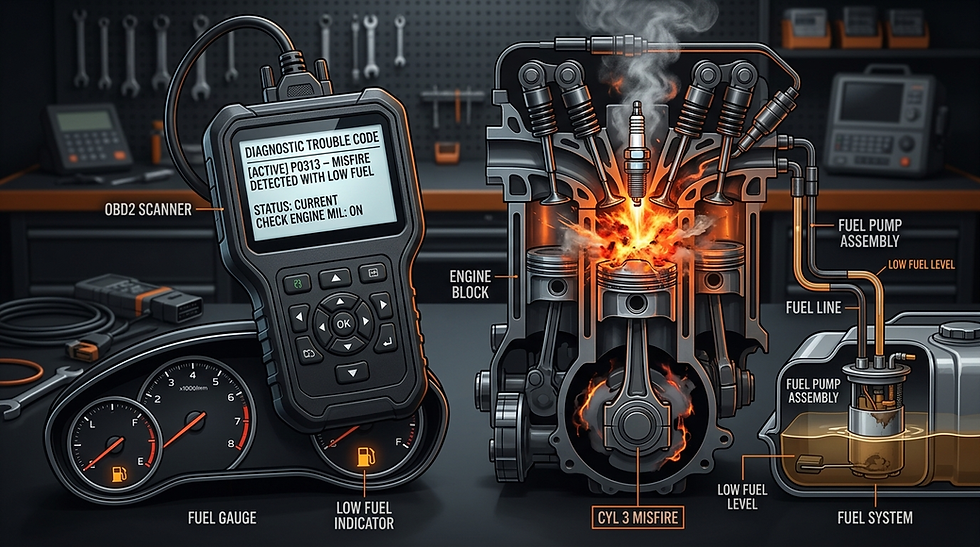
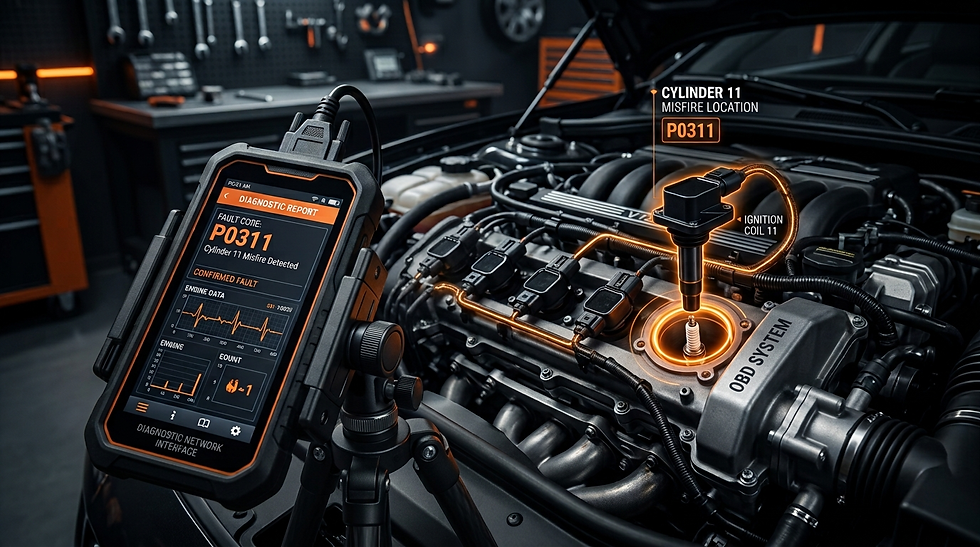
How OBD Systems Enable Smart Vehicle Health Monitoring

Modern vehicles rely heavily on electronic control units (ECUs) to manage performance, safety, and emissions. The On-Board Diagnostics (OBD) system acts as the communication bridge between these ECUs and diagnostic tools. Through OBD vehicle health monitoring, drivers, technicians, and fleet managers gain real-time insights into engine health, sensor performance, and potential failures before they become serious problems.
What Is Vehicle Health Monitoring via OBD?
OBD-based vehicle health monitoring uses data collected from sensors and ECUs to assess the overall condition of a vehicle. By connecting an OBD scanner or telematics device, users can read live parameters such as:
Engine temperature
Fuel system status
Oxygen sensor performance
Battery voltage
Emissions readiness
This data forms a continuous health profile of the vehicle.
How OBD Collects Vehicle Health Data
OBD systems access data directly from the vehicle’s ECU. Sensors constantly measure mechanical and electrical parameters and transmit them to the ECU, which then makes them available through the OBD port.
Key OBD data sources include:
Engine control module (ECM)
Transmission control module (TCM)
Emissions control systems
Electrical and charging systems
Early Fault Detection
One of the biggest advantages of OBD monitoring is early fault detection. Instead of waiting for a breakdown, OBD systems identify warning signs such as:
Sensor irregularities
Fuel mixture imbalances
Ignition timing issues
Cooling system inefficiencies
By detecting these early, vehicle owners can avoid costly repairs.
Benefits of OBD-Based Health Monitoring
Reduced breakdown risk
Lower repair costs
Improved vehicle lifespan
Better fuel efficiency
Accurate maintenance planning
Conclusion
OBD vehicle health monitoring transforms diagnostics from reactive to proactive, allowing users to maintain vehicles more intelligently.