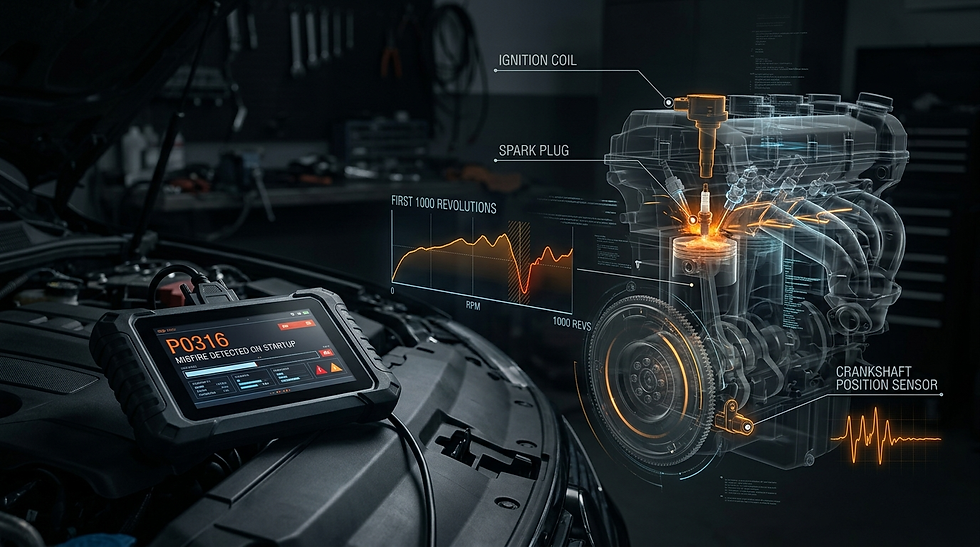
How OBD Monitors Vehicle Acceleration and Performance

Acceleration performance is one of the key indicators of a vehicle’s health. Poor acceleration often signals underlying issues with the engine, fuel system, or sensors.
Through OBD acceleration monitoring, modern vehicles analyze engine response and detect performance problems early.
How Acceleration Is Controlled
Vehicle acceleration depends on multiple components working together:
Throttle control systems
Fuel injectors
Air intake systems
Ignition timing
Engine sensors
When any of these systems malfunction, acceleration performance can decline.
How OBD Monitors Acceleration
OBD systems analyze data from various sensors, including:
Throttle position sensors
Mass airflow sensors
Engine speed sensors
Oxygen sensors
The ECU compares these readings with expected performance levels.
If irregular patterns appear, diagnostic codes may be generated.
Problems OBD Can Identify
Acceleration issues detected by OBD may include:
Fuel delivery problems
Airflow restrictions
Sensor failures
Ignition timing issues
Early detection prevents performance loss.
Conclusion
OBD acceleration monitoring helps maintain responsive and efficient vehicle performance. By analyzing sensor data and engine behavior, the system identifies issues that could reduce power or efficiency.
Regular diagnostics ensure the engine delivers smooth acceleration and reliable performance.