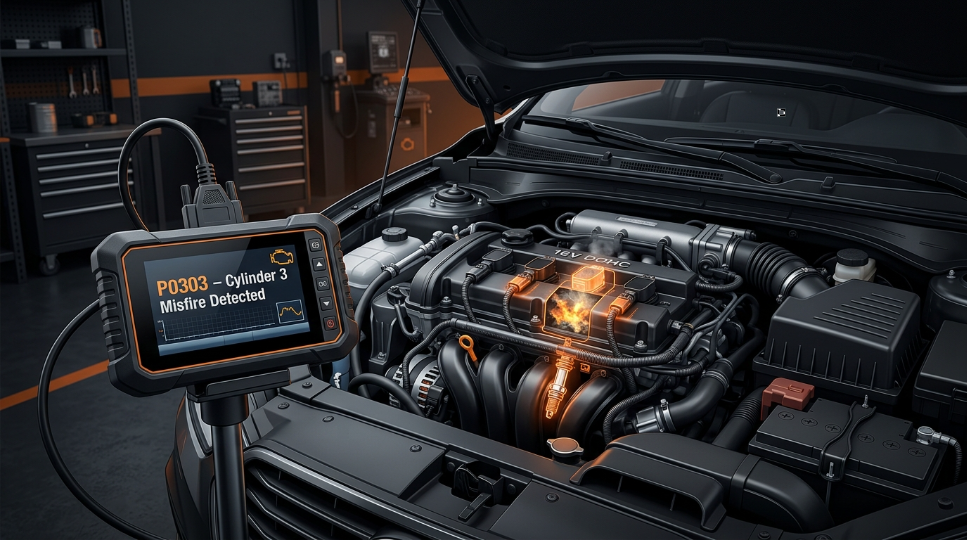
How OBD Helps Detect Vacuum Leaks in Your Engine
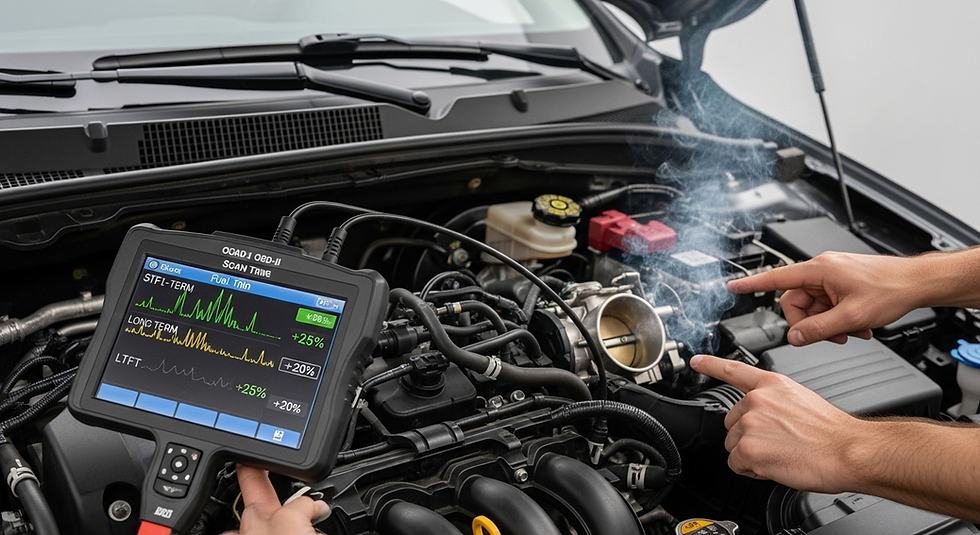
Vacuum leaks are one of the most overlooked engine problems. They may start small but can quickly lead to poor performance, rough idling, and reduced fuel efficiency. Thankfully, OBD vacuum leak detection helps identify these issues early.
Modern OBD systems continuously monitor engine air pressure and fuel mixture balance, making it easier to spot leaks before they become serious.
What Is a Vacuum Leak?
A vacuum leak occurs when unwanted air enters the engine without passing through the proper sensors.
Common causes include:
Cracked vacuum hoses
Loose intake manifold gaskets
Faulty PCV valves
Damaged throttle body seals
When extra air enters the system, it disrupts the air-fuel ratio.
How OBD Detects Vacuum Leaks
OBD monitors fuel trim values and oxygen sensor data.
If the system detects:
A lean fuel mixture
Irregular air intake readings
Unstable idle conditions
It stores a trouble code and activates the Check Engine Light.
Symptoms Drivers May Notice
Before scanning, you may experience:
Rough or high idle
Engine hesitation
Poor acceleration
Decreased fuel economy
Hissing sounds from engine bay
OBD confirms whether a vacuum leak is present.
Why Early Detection Matters
Ignoring a vacuum leak can cause:
Increased fuel consumption
Overheating
Engine misfires
Damage to catalytic converters
OBD detection allows quick and affordable repairs.
Long-Term Engine Protection
By identifying airflow imbalance early, OBD ensures:
Stable combustion
Proper fuel efficiency
Reduced emissions
Smooth engine performance
Conclusion
OBD vacuum leak detection plays a critical role in maintaining engine balance and efficiency. Early identification prevents expensive repairs, improves fuel economy, and keeps your vehicle running smoothly. Regular OBD scanning helps catch these hidden problems before they escalate.