How Fleet Managers Use Telematics System to Reduce Fuel and Maintenance Costs

Fuel and maintenance costs are two of the biggest expenses for fleet-operating businesses. Whether it’s delivery vehicles, company cars, buses, or trucks, poor fuel management and inefficient driving can drastically reduce profitability. This is where a Fleet Telematics System becomes essential.
Telematics technology helps businesses track vehicle performance, fuel usage, driver behavior, and maintenance cycles in real time, allowing fleet managers to make data-driven decisions that save money.
What is a Fleet Telematics System?
A telematics system uses GPS, onboard diagnostics data, and cellular connectivity to monitor:
Vehicle location
Driving habits
Fuel consumption
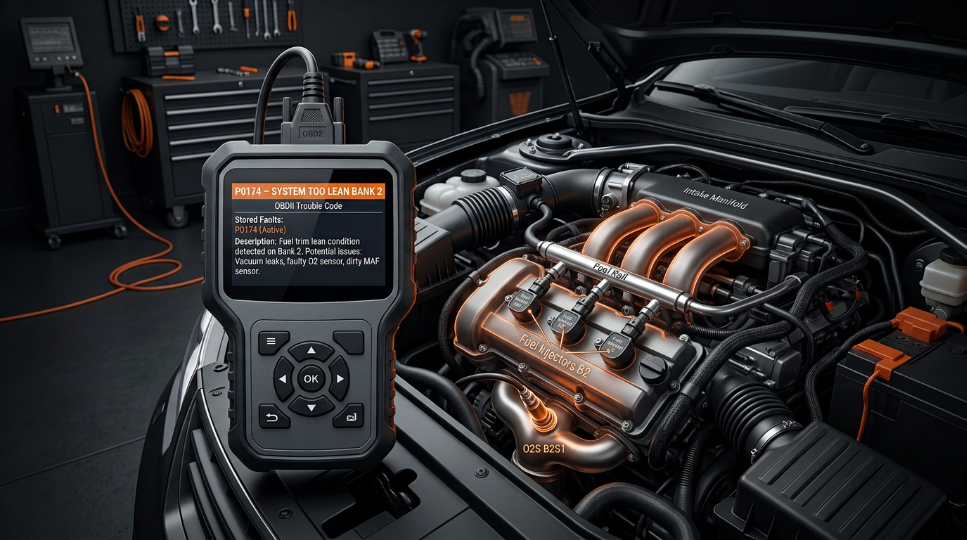
Engine health and faults
Route efficiency
This data is accessible through a digital dashboard and can be reviewed instantly or over time.
How Telematics Helps Cut Costs
1. Fuel Monitoring
Telematics shows:
Fuel usage per trip
Idling time
Speeding events
This helps cut waste and improve fuel efficiency.
2. Reduced Maintenance Costs
Telematics alerts fleet managers before a breakdown occurs:
Engine faults
Battery health warnings
Overheating signals
Predictive maintenance reduces major repair costs.
3. Improved Driver Behavior
Driving patterns are tracked, allowing managers to coach drivers on:
Smooth acceleration
Safe braking
Reduced idling
Better driving = lower costs + longer vehicle lifespan.
How CHEPQ Supports Fleet Operators
CHEPQ offers telematics solutions that are:
Easy to install
Compatible with multiple vehicle types
Designed for real-time monitoring
Ideal for both small and large fleets
Conclusion
A Fleet Telematics System is no longer optional — it is a strategic advantage. Businesses that adopt telematics early can significantly reduce costs, improve safety, and increase fleet lifespan.