How Connected Car Technology Is Changing the Role of OBD2 Diagnostics

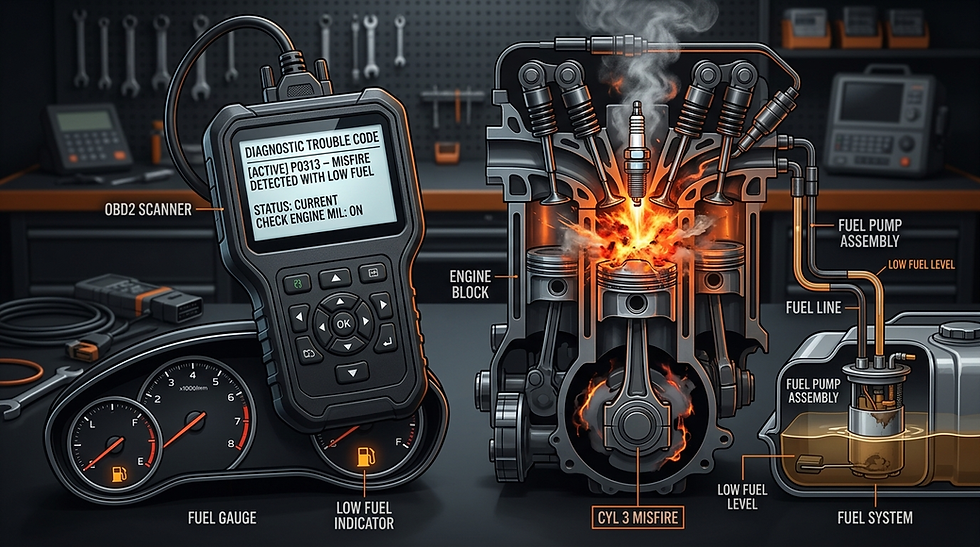
Connected car technology has transformed the automotive industry. Vehicles today aren’t just machines — they’re rolling computers that communicate with cloud servers, mobile apps, and onboard sensors in real time.
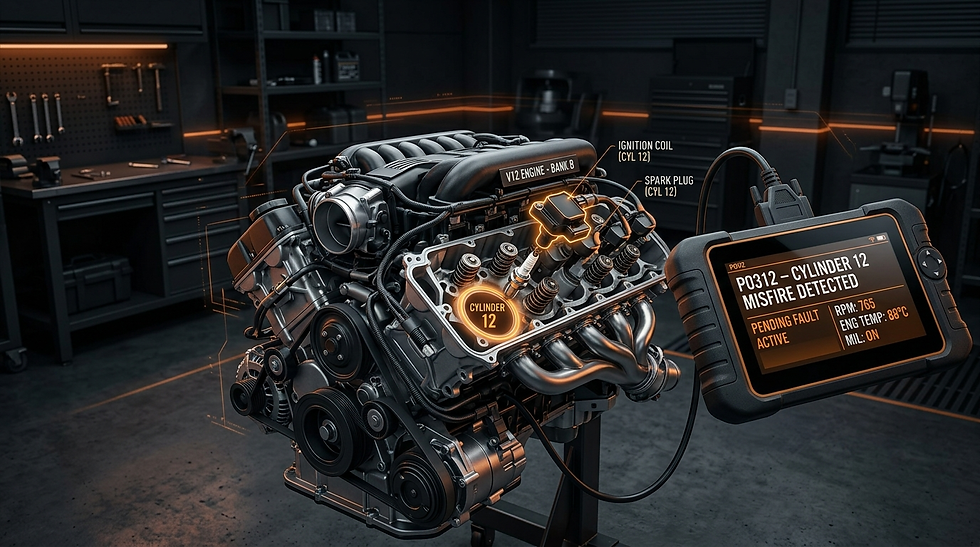
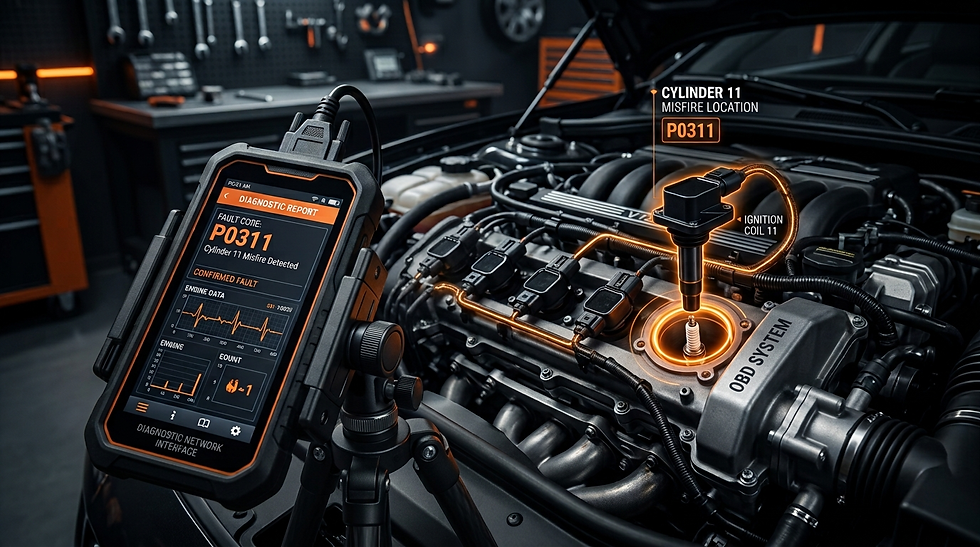
As connectivity becomes standard, the role of OBD2 diagnostics is expanding far beyond simple fault code reading. Modern OBD2 tools—like CHEPQ’s advanced scanners—are now essential components of the connected vehicle ecosystem.
1. Real-Time Vehicle Insights
Traditional diagnostics required manual scanning. Connected OBD2 tools now offer:
Continuous data streaming
Remote fault detection
Engine and transmission monitoring
Live dashboard analytics
Workshops and fleets no longer wait for problems — they prevent them.
2. OBD2 as a Gateway to Telematics
Modern OBD2 devices act as telematics hubs by providing:
GPS tracking
Driver behavior insights
Fuel efficiency metrics
Real-time alerts
This elevates the device from a simple scanner to a complete vehicle monitoring system.
3. Over-the-Air (OTA) Updates
In the past, diagnostic devices needed manual updates.Now, connected tools support:
Wireless firmware improvements
Feature upgrades
New vehicle compatibility
Security patches
CHEPQ’s OTA-secure boot architecture ensures safe software enhancement.
4. Predictive Analytics & AI Integration
With constant data flow, AI-powered diagnostics can now:
Forecast engine failures
Detect pattern-based faults
Predict battery degradation
Suggest optimized maintenance schedules
This reduces downtime and repairs—especially for fleets.
5. Enhanced Cybersecurity Requirements
Connected vehicles require connected security. OBD2 tools now need:
Encrypted communication
Secure authentication
Protected OTA updates
Anti-tamper hardware
CHEPQ integrates ISO/SAE cybersecurity standards into its devices.
6. Greater Transparency for Drivers
Connected diagnostics allow drivers to:
Know instantly what triggered a warning light
Access detailed fault explanations
View real-time performance stats
Track repair history
This transparency reduces anxiety and supports better maintenance habits.
Conclusion
Connected car technology has elevated OBD2 diagnostics into a core component of modern automotive intelligence. From predictive analytics to cloud-based monitoring, the future of diagnostics is smart, wireless, and continuous—and CHEPQ tools are built to lead that future.